A Dive into Comics, Royalties, and the Fight for Fair Pay
Inside Comics’ Long Fight Over Royalties, Recognition, and Rights
Superheroes dominate modern pop culture. Every year, films based on comic book characters generate billions of dollars at the global box office. Streaming platforms rely on comic adaptations to drive subscriptions. Toys, video games, collectibles, and merchandise create massive revenue streams that extend far beyond comic shops.
Batman. Spider-Man. Wolverine. The Avengers. Deadpool.
These characters are now cultural mythology. But behind every iconic hero is something easy to forget: a writer and an artist who first imagined them. And for decades, the relationship between those creators and the corporations that publish their work has been one of the most complicated and sometimes controversial stories in comics history.
The question at the center of that story is simple:
When a comic book character becomes a billion-dollar franchise, what happens to the people who created it?

Most superhero comics from major publishers operate under a legal structure known as work-for-hire. In this model, creators are hired to produce work for a company. The company owns the intellectual property that results. The creator receives payment usually a page rate or negotiated fee but ownership of the characters and stories belongs to the publisher. This structure dates back to the earliest decades of the comics industry in the 1930s and 1940s.
At the time, comic books were seen as disposable entertainment. Creators were often young artists and writers trying to break into publishing. Few people believed these characters would one day become global entertainment brands. And yet they did. The result is a business system that still shapes the modern industry.
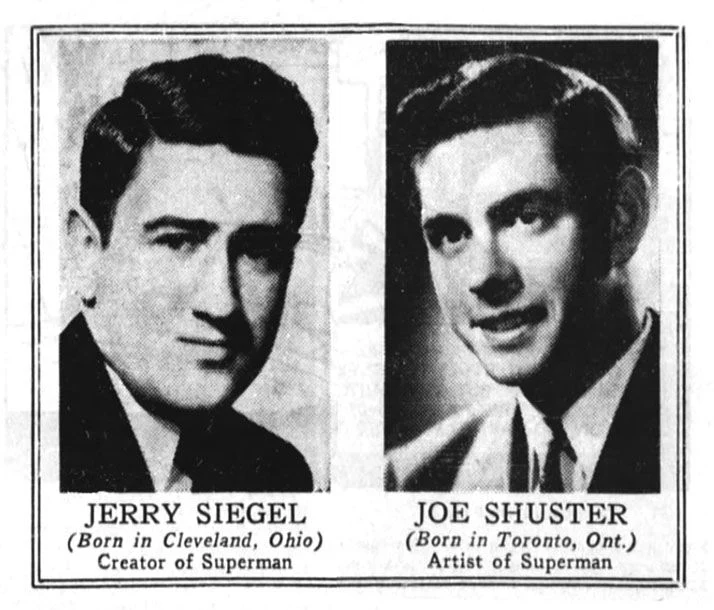
One of the most famous cases in comics history involves Jerry Siegel and Joe Shuster, the creators of Superman. In 1938, the pair sold the rights to Superman to what would eventually become DC Comics for $130. At the time, they were simply trying to publish their creation.
Superman quickly became a sensation. The character appeared in radio programs, animated shorts, toys, and eventually film and television. Superman became one of the most recognizable fictional characters in the world.
But Siegel and Shuster struggled financially for years. By the 1970s, public pressure mounted as fans and fellow creators became aware of their situation. DC eventually granted the creators a lifetime pension and restored their names to the Superman credit line. It was one of the first major moments when the industry publicly confronted the issue of creator compensation.


-
The Fantastic Four
-
The X-Men
-
The Hulk
-
Thor (Marvel version)
-
The Avengers
-
Black Panther
-
The Silver Surfer
Kirby’s visual imagination defined the Marvel Universe. Yet disputes between Kirby and Marvel over artwork ownership, credit, and compensation continued for decades. In the 1980s, a controversy erupted when Marvel required creators to sign legal agreements affirming company ownership of characters before returning Kirby’s original artwork.
The dispute became a rallying point for creator rights advocates. In 2014, Marvel and the Kirby estate reached a confidential settlement in a legal dispute that had nearly reached the U.S. Supreme Court. Though details were never publicly disclosed, the case reignited conversations about how creators are treated in the industry.


In 2015, DC Comics officially updated the Batman credit line to include Bill Finger as a co-creator. The recognition came more than forty years after Finger’s death.
By the 1980s, the comics industry had begun to change. The growth of the direct market specialty comic shops that ordered directly from distributors allowed publishers to track sales more precisely.
Marvel and DC introduced royalty programs, allowing creators to earn additional money if comic sales exceeded certain thresholds. These programs were a significant improvement over earlier decades. But royalties were typically tied to comic book sales, not the licensing revenue generated by movies, television shows, toys, and other merchandise.
At the time, that distinction seemed less important. Hollywood had not yet discovered the full potential of comic book characters. That would change dramatically.
The late 1990s and early 2000s transformed the industry. Films like Blade (1998), X-Men (2000), and Spider-Man (2002) proved that superhero movies could succeed at the box office.
Then came the Marvel Cinematic Universe.
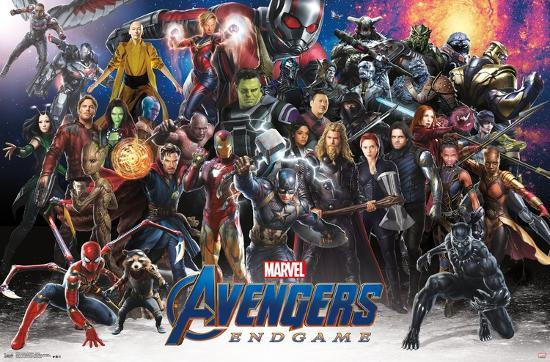

When a comic character appears in a film or television show, creators may receive compensation depending on contract terms and company policies. Industry reporting has frequently suggested that creators sometimes receive relatively modest bonuses when their characters appear in films.
These payments vary widely and are often confidential. Some creators have spoken publicly about their experiences. Others prefer not to discuss financial arrangements. But the topic continues to generate discussion across the comics community.
Writer Ed Brubaker, who helped develop the modern version of the Winter Soldier storyline in Captain America comics, has spoken about his experience seeing the character appear in major films. Brubaker has noted in interviews that while he appreciated recognition and compensation, the scale of Hollywood profits compared to creator payments sparked broader conversations about fairness within the industry. His comments helped bring the topic of creator compensation into the mainstream comics conversation.
Another frequently cited case involves Jim Starlin, creator of Thanos and other cosmic Marvel characters. Thanos became the central villain of the Marvel Cinematic Universe’s Infinity Saga. Starlin has spoken in interviews about receiving bonuses tied to the character’s appearances. But his comments have also highlighted the ongoing debate about whether creator compensation should evolve alongside the massive growth of comic-based entertainment.
The rise of streaming platforms has introduced another layer to the discussion. Traditional television syndication created residual payments for writers and performers. Streaming models operate differently, and the financial structures behind them are often less transparent.
Hollywood strikes and union negotiations have increasingly focused on how streaming revenue should be shared. Comic creators whose characters appear in streaming series are part of that broader industry conversation.

The model has produced enormous success stories, including:
-
The Walking Dead by Robert Kirkman
-
Spawn by Todd McFarlane
-
Saga by Brian K. Vaughan and Fiona Staples
When these projects succeed, creators maintain control of the intellectual property. But creator-owned publishing also involves financial risk. Creators must often fund production themselves and rely on sales to recoup costs.
Other publishers operate in a hybrid space between work-for-hire and creator ownership. Companies such as Dark Horse, BOOM! Studios, and IDW publish both licensed properties and creator-owned projects.
Contracts vary widely. Some deals allow creators to retain ownership. Others involve shared rights or licensing arrangements. As a result, creator experiences differ significantly across the industry.
Within the comics community, discussions about compensation happen frequently but often quietly. Convention panels, podcasts, and industry forums regularly explore the topic.
Common themes include:
-
transparency around royalties
-
credit recognition
-
participation in licensing revenue
-
payment timelines
Publishers often note that the comics industry operates on tight margins compared with film or television. But as comic characters continue to generate massive revenue in other media, the conversation about creator compensation remains ongoing.
Comics are collaborative art. Every character begins with an idea then grows through the work of writers, artists, colorists, and letterers. These creators build the foundation of stories that eventually expand into movies, games, animation, and merchandise. When those stories become global franchises, the question of how creators are recognized and compensated naturally becomes part of the discussion.
Despite ongoing debates, the industry has evolved significantly. Creator-owned publishing has expanded. Crowdfunding platforms allow creators to publish independently. Digital distribution has opened new revenue opportunities. And fans today are far more aware of the people behind the characters they love.
Readers have more influence than they may realize. Supporting creator-owned comics. Backing crowdfunding campaigns. Following creators directly on social media. Learning about the history behind characters and stories. These actions help shape the future of the industry. Because ultimately, comics exist because readers care.
Superheroes may be fictional, but the people who create them are not. As comic book characters continue to dominate global entertainment, conversations about creator recognition and compensation are unlikely to disappear. Instead, they will evolve alongside the industry itself.
The next generation of creators and fans will help decide what that future looks like!
Author Profile
Latest entries