How Comic Crusaders Started
Comic Crusaders did not begin as a website. It began as a physical dream.
In the mid-2000s, the original vision for Comic Crusaders was a brick-and-mortar comic shop, a real place where fans could walk in, discover new books, talk comics, and support creators directly. The idea was rooted in community. A shop that felt welcoming, independent, and driven by love for the medium, not just sales.
But as the economy began to shift and financial realities set in, it became clear that opening a traditional storefront came with enormous risk. Rent, inventory, staffing, and overhead left very little room for error. Rather than forcing a physical location that could fail before it ever had a chance to thrive, the idea evolved.
The next move was digital.
From Storefront to Digital Space
The brick-and-mortar concept transformed into a digital storefront idea a way to create a virtual version of the shop online. A place where comics could still be discovered, talked about, and acknowledged without the crushing costs of a physical space. But even that came with challenges. Maintaining an e-commerce platform, managing inventory logistics, and competing with massive online retailers made it clear that the digital shop model would face many of the same pressures as a physical one. The economics still didn’t make sense for a small, independent operation trying to grow organically.
So the question became simple but powerful: What was the heart of the original idea? The answer wasn’t shelves. It wasn’t transactions. It was conversation, discovery, and community. That realization changed everything.
The Pivot That Defined Comic Crusaders
Instead of selling comics, Comic Crusaders would talk about them. Instead of focusing on inventory, it would focus on voices. The platform shifted fully into becoming a news and media hub, with a strong emphasis on indie comics creators and projects that were often overlooked by mainstream coverage. This direction removed the financial barriers while preserving the mission that mattered most. Comic Crusaders launched as a website driven by passion, not profit. There was no staff, no marketing budget, and no guarantee anyone would pay attention. What existed was consistency and a genuine desire to serve the comic community.
The Early Days Online
In its earliest online days, Comic Crusaders was a solo operation. That changed when the decision was made to bring in fellow comic book geeks who shared the same enthusiasm and values.
The first writers helped shape both the tone and credibility of the site:
Matty Deery and Adam Cadmon became the backbone of early comic book reviews, helping establish consistency and trust with readers.
13th Crusader contributed articles focused on comic book history, offering depth, context, and a sense of legacy to the coverage.
Johnny Hughes, often described simply as “The Machine”, brought relentless energy and output that pushed the site forward at a critical time.
As their work circulated, Comic Crusaders began gaining attention. Articles were quoted. Creators noticed. Industry talent began engaging. Momentum started building. More writers followed. Over time, Comic Crusaders adopted an open, revolving-door approach contributors could come in, develop their voice, gain experience, get noticed, and move forward, making room for the next wave. That openness became part of the platform’s identity.
Growing Without Losing the Mission
Nearly ten years into Comic Crusaders’ journey, another pivotal moment arrived with the addition of Dusty Goode. Dusty introduced the idea of expanding into podcasting through the Undercover Capes platform. At the time, podcasting was still gaining traction, but the potential was clear. Alongside Dusty and several of the original Crusaders, Comic Crusaders launched its first podcast, Undercover Capes. What began as an extension of the written platform quickly became something much bigger. The show grew. Additional shows followed.
Soon, the effort evolved into a network, with programming that covered Marvel, DC, indie comics, film, and pop culture from multiple angles. The conversations expanded, the audience grew, and Comic Crusaders’ voice reached further than ever before. As the network developed, one thing became increasingly clear: the network had grown into a core pillar of the brand. Because Undercover Capes hosted many interview-based shows, a strategic decision was made to bring the Comic Crusaders Podcast home—directly onto the Comic Crusaders website. This move allowed the podcast to fully round out the brand and solidify Comic Crusaders as both a written and audio media hub. The result has been humbling.
Today, the Comic Crusaders Podcast is over 650 episodes deep and still counting, featuring creators, writers, artists, actors, publishers, and industry voices from across pop culture. What started as an experiment became a defining force in the platform’s identity.
Becoming a Hub for Indie Comics and Pop Culture
Over time, Comic Crusaders became more than a news site or podcast. It became a trusted hub a place where creators, publishers, and fans could connect across multiple formats. While coverage expanded into film, television, gaming, music, crowdfunding, and pop culture, indie comics always remained central. Comic Crusaders followed the culture where it was being created, not just where attention was already focused.
Built on Authenticity
What separates Comic Crusaders from countless other platforms is authenticity. Interviews are conversational, not performative. Coverage is enthusiastic without being manufactured. Creators are treated as people first. That authenticity created longevity. While platforms changed and algorithms shifted, Comic Crusaders stayed grounded in its values. It grew organically through trust, consistency, and community support.
Twenty Years Strong
In 2026, Comic Crusaders celebrates 20 years. That milestone represents more than longevity. It represents the power of adapting without abandoning purpose. What began as a comic shop dream became a digital storefront idea, then evolved into a media platform that continues to champion creators and fans alike. Comic Crusaders stands as proof that sometimes the dream doesn’t disappear it simply finds the form it was always meant to take.
Creators first.
Community always.
The Crusade Continues.
Author Profile

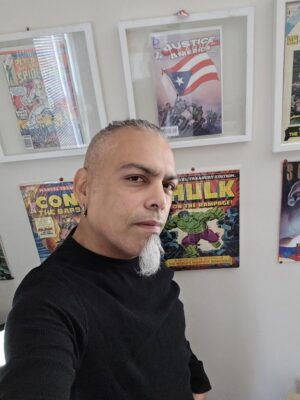
- I'm Al Mega the CEO of Comic Crusaders, CEO of the Undercover Capes Podcast Network, CEO of Geekery Magazine & Owner of Splintered Press (coming soon). I'm a fan of comics, cartoons and old school video games. Make sure to check out our podcasts/vidcasts and more!
Latest entries
 Comic BooksMarch 29, 2026WHAT’S ON THE SHELF, APR. 1ST – INDEPENDENT PUBLISHERS
 Comic BooksMarch 29, 2026WHAT’S ON THE SHELF, APR. 1ST – PREMIER PUBLISHERS
 Comic BooksMarch 29, 2026WHAT’S ON THE SHELF, APR. 1ST – THE BIG 2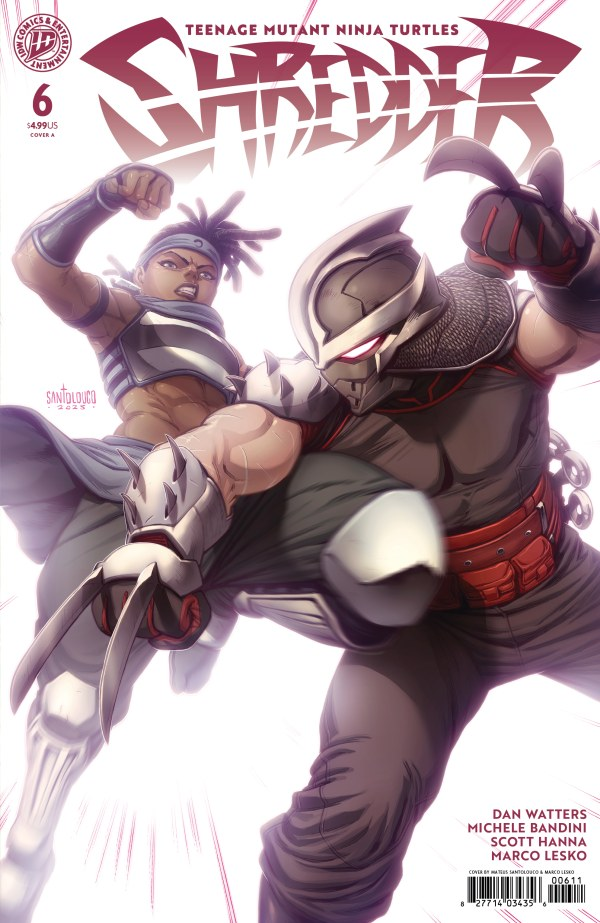
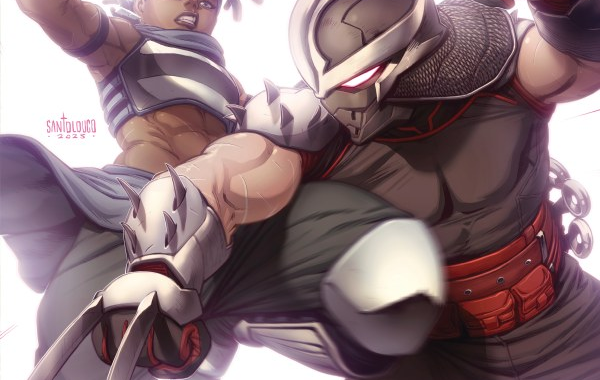
 Comic BooksMarch 29, 2026Teenage Mutant Ninja Turtles: Shredder #6 Review: Oroku Saki Chooses Blood, Pain, and Pure Chaos