
The Business Behind Comic Books and the Publishers Shaping the Industry
·Juan James
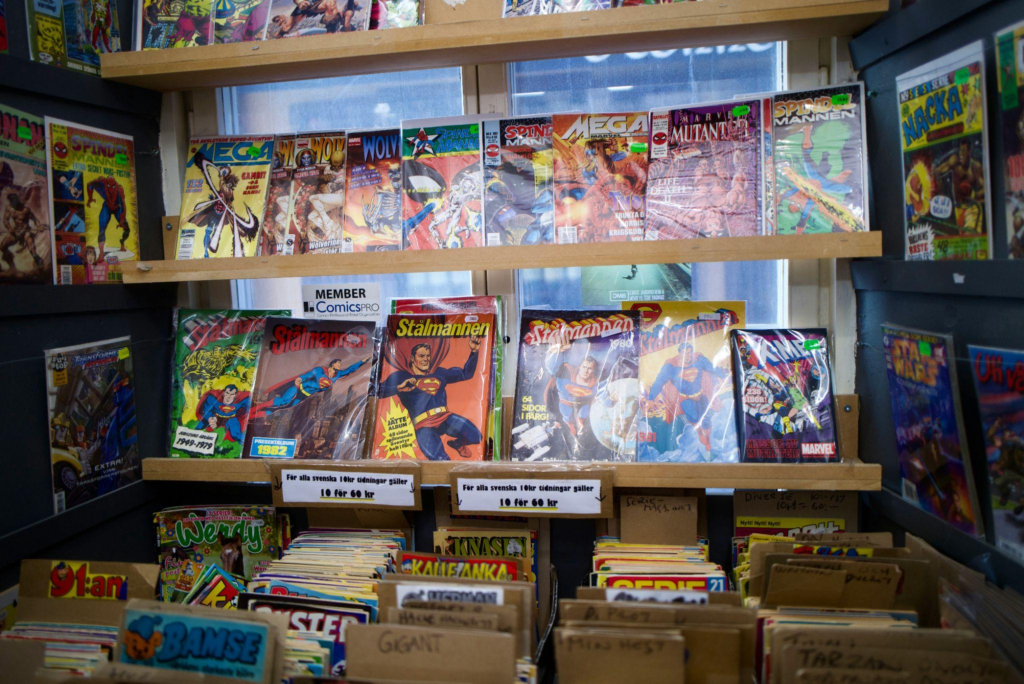
Comic books have developed into a major part of modern entertainment, influencing movies, television, gaming, and popular culture. While readers are drawn to memorable characters, imaginative storytelling, and distinctive artwork, the business behind comic publishing involves a complex combination of creative development, financial planning, marketing, and distribution.
Publishers must balance the costs of producing new stories with the challenge of maintaining loyal audiences. Writers, artists, editors, printers, distributors, and retailers all contribute to bringing a comic book from its initial concept to readers. At the same time, digital platforms and international licensing opportunities are changing how publishers generate revenue.
Understanding the commercial side of comic books reveals why some publishers become global entertainment companies while others succeed by serving specialized audiences. From investment decisions to intellectual property ownership, several business factors influence the industry’s continued development.
Financial Planning Shapes the Future of Comic Book Publishers
Comic book publishing requires careful financial management because producing each title involves expenses long before the finished product reaches readers. Publishers must compensate creative teams, coordinate editing and production, arrange printing, and develop marketing campaigns while estimating how much revenue a release might generate. Larger publishers also face decisions about whether to develop new intellectual properties, expand existing franchises, or invest in additional entertainment projects.
These choices reflect broader corporate financial strategies involving immediate returns and future expansion. Investors examining entertainment businesses can gain useful perspective by understanding how companies approach different growth priorities. For example, the comparison of dividend and growth investing published through https://www.vectorvest.com/ provides a framework for considering how businesses balance shareholder income with opportunities for expansion.
For comic book companies, the underlying financial questions are highly relevant. Investing in an established character may provide relatively predictable commercial opportunities, while developing an original series involves different costs and potential rewards. Publishers that manage these decisions effectively can support creative experimentation while maintaining the financial stability needed for ongoing operations.
Major Publishers Have Built Powerful Entertainment Brands
Marvel and DC remain among the most recognizable names in comic book publishing. Their characters have developed extensive cultural influence through decades of storytelling, merchandise, television adaptations, and theatrical releases. The commercial strength of these publishers comes partly from their ownership and management of recognizable intellectual properties.
Characters such as Spider-Man, Batman, and Wonder Woman can appear across multiple entertainment formats while maintaining connections to their original comic book identities. This creates opportunities for licensing agreements, collectibles, video games, and collaborations with consumer brands. Major publishers also benefit from established distribution relationships and extensive back catalogs that can continue attracting readers through collected editions and digital releases.
Maintaining a successful entertainment brand requires regular creative development. New storytelling approaches and updated character interpretations help publishers introduce familiar properties to different generations. The ability to combine recognizable franchises with ongoing creative investment remains central to the commercial strength of major comic book companies.
Independent Publishers Are Creating Space for Original Stories
Although large entertainment companies receive considerable attention, independent comic book publishers contribute significantly to the industry’s creative diversity. Companies such as Image Comics, Dark Horse Comics, and BOOM! Studios have helped bring different storytelling styles and original properties to readers. Independent publishing can provide creators with opportunities to explore subjects and formats that differ from established superhero franchises.
Science fiction, horror, fantasy, crime, and autobiographical storytelling all maintain important positions within the wider comic book market. Business arrangements also vary between publishers, particularly regarding intellectual property ownership and revenue participation. For creators, retaining ownership interests in original characters or stories can become commercially significant when a series attracts wider attention.
Independent publishers must balance these opportunities with the practical responsibilities of marketing, production, and distribution. Their continued presence demonstrates that commercial success in comics does not depend exclusively on owning globally recognized superhero characters.
Intellectual Property Rights Influence Long-Term Revenue

Photo by Emre Turkan on Unsplash
Intellectual property is one of the most valuable assets in comic book publishing. A successful character or fictional universe can generate revenue through numerous products and entertainment experiences beyond printed comics. Licensing agreements allow publishers to authorize the use of characters in merchandise, games, and other commercial applications, while film and television adaptations can introduce comic book properties to entirely new audiences.
The financial benefits depend on contractual arrangements and ownership rights. Publishers and creators must understand how copyrights, licensing permissions, and royalty agreements influence future earnings. These considerations are particularly important when developing original series with adaptation potential, since a relatively small publishing project may eventually attract interest from major entertainment companies.
Careful management of intellectual property allows businesses to explore these opportunities while preserving the long-term commercial value of their creative work. It also encourages publishers to think beyond individual releases and consider how successful characters and stories can support multiple business activities.
Digital Comics Are Changing Distribution and Reader Habits
Digital publishing has introduced new ways for comic book companies to reach audiences. Readers can now access individual issues, collected editions, and subscription libraries through smartphones, tablets, and computers. These services reduce some of the geographical limitations associated with physical distribution and make older publications easier to discover.
Digital platforms also create opportunities for publishers to experiment with promotional pricing, subscription models, and online-exclusive content. For smaller publishers, digital distribution can provide access to international audiences without requiring extensive physical retail networks. It also allows companies to introduce new readers to their catalogs through accessible online storefronts.
Traditional comic shops remain important because they support collecting communities, local events, and relationships between readers and retailers. Successful publishers increasingly recognize the value of serving both physical and digital audiences. Combining these channels allows companies to accommodate different reading preferences while expanding opportunities for discovery.
Collectibles and Special Editions Strengthen Fan Engagement
Comic book collecting represents another significant part of the industry’s commercial ecosystem. Limited editions, variant covers, anniversary releases, and professionally graded comics attract readers who appreciate artwork, rarity, and historical significance. Publishers use special editions to celebrate important milestones and create additional interest around selected titles.
Collectors may also value original artwork, signed publications, and merchandise associated with favorite characters. These products support relationships between publishers, retailers, artists, and dedicated fans. Collectible markets differ from ordinary book sales because prices can be influenced by condition, availability, and changing demand.
For publishers, the primary commercial opportunity lies in developing products that appeal to established audiences while maintaining enthusiasm for ongoing stories. Thoughtful collectible releases can complement regular publishing activities and contribute to a more varied product offering.
The Future of Comics Will Depend on Creativity and Business Adaptability
The comic book industry continues evolving as publishers respond to changing entertainment habits, production costs, and opportunities across different media. Established companies benefit from recognizable intellectual properties, while independent publishers contribute original ideas and creative experimentation. Both approaches require financial discipline and an understanding of audience expectations.
Technology will remain important, particularly as digital platforms improve accessibility and publishers explore new ways to present and distribute stories. Partnerships with film studios, gaming companies, and merchandise manufacturers can also create opportunities for successful properties to reach wider audiences. Publishers that understand these developments can adapt their commercial strategies while maintaining the creative qualities that attract readers.
Ultimately, the strength of comic book publishing comes from combining compelling storytelling with effective business management. Publishers that support talented creators, manage intellectual property responsibly, and develop meaningful relationships with readers can establish lasting positions in an increasingly competitive entertainment market. As comics continue influencing popular culture, the companies behind them will play an essential role in determining which stories and characters capture the imagination of future generations.



Leave a Reply
You must be logged in to post a comment.