eGames in Asia: Common Themes & Influences in 2026
Asia has firmly established itself as the global epicenter of gaming, with rapid growth driven by technological innovation, mobile accessibility, and an increasingly engaged player base. According to Grand View Research, the Asia Pacific gaming market was valued at approximately $136.5 billion in 2023 and is projected to reach over $281 billion by 2030, growing at a strong CAGR of around 10.9%.
The region’s dominance is further reinforced by its leadership in mobile gaming, which accounted for the largest share of revenue in 2024 and continues to be the fastest-growing segment. Additionally, Asia Pacific represents the largest share of the global mobile gaming market, contributing over 50% of global revenue in 2024.
This explosive growth has shaped the evolution of eGames across the region. Developers are increasingly tailoring content to cultural preferences, storytelling traditions, and player expectations. As a result, several recurring themes have emerged that define the Asian eGaming landscape in 2026.
1. Mythology and Folklore-Inspired Games
One of the most dominant themes in Asian eGames is mythology and folklore. Drawing from centuries-old legends, developers create immersive worlds rooted in cultural storytelling.
Games like “Journey to the West” slots, inspired by Chinese Mythology, and “Mahabharata Gold”, based on Indian epics, are prime examples. Similarly, “Legend of the White Snake” and “Dragon Tiger” games incorporate symbolic elements such as dragons, deities, and spiritual motifs.
These games resonate deeply with players because they combine entertainment with cultural familiarity, offering both nostalgia and excitement.
2. James Bond-Inspired Spy eGames
Spy-themed eGames have surged in popularity, drawing clear inspiration from the suave, high-stakes world of James Bond. These games focus on espionage, luxury, and action-packed narratives and are popular with Asian players. Philippine platform Megabet targets this audience by featuring two Bond-inspired titles: Agent Ice and Agent Royale. These games incorporate sleek visuals, secret agent storylines, and high-risk missions that mirror the cinematic appeal of spy films.
Other titles such as “Secret Agent” slots and “Mission Cash” follow similar themes, blending intrigue with fast-paced gameplay. The appeal lies in the fantasy of espionage—players are drawn into a world of sophistication, danger, and reward.
3. Adventure and Exploration Themes
Adventure-based eGames continue to thrive, offering players a sense of discovery and progression. These games often feature treasure hunts, ancient ruins, and exotic landscapes.
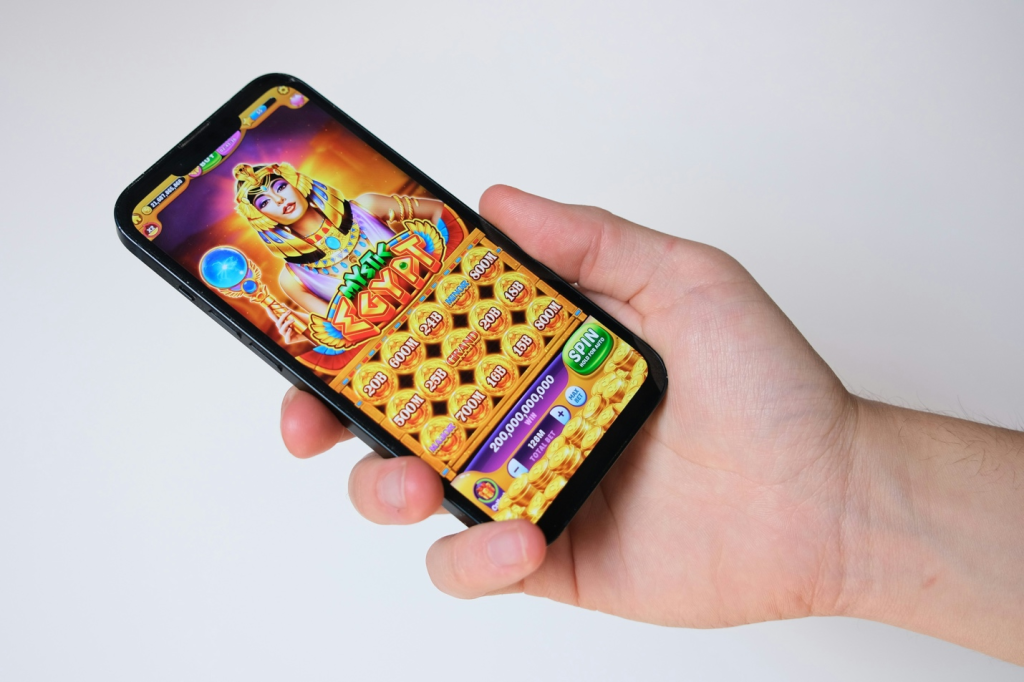
Popular examples include “Gonzo’s Quest”, which takes players through lost civilizations, and “Temple Tumble”, centered on puzzle-solving within ancient temples. Another well-known title, “Book of Dead”, immerses players in an Egyptian-themed adventure filled with hidden treasures.
This theme appeals to players who enjoy narrative-driven gameplay and the thrill of uncovering rewards, making it a staple across Asian eGaming platforms.
4. Fortune and Luck-Based Cultural Symbols

In many Asian cultures, symbols of luck and prosperity play a significant role in gaming design. eGames frequently incorporate elements such as gold coins, lucky numbers, and traditional icons associated with wealth.
Games like “88 Fortunes”, “Lucky Neko”, and “Fu Fu Fu” highlight this trend. The number 8, considered highly auspicious in Chinese culture, often appears prominently in game mechanics and visuals.
These themes tap into cultural beliefs around fortune and success, enhancing player engagement by aligning gameplay with familiar symbols of luck.
5. Anime and Pop Culture Influences
The influence of anime and pop culture is another defining feature of Asian eGames. Bright visuals, dynamic characters, and story-driven gameplay are hallmarks of this theme.
Titles such as “Naruto Online”, “Dragon Ball Slots”, and “Attack on Titan-themed games” showcase how anime aesthetics have been adapted into gaming formats. Even original games like “Koi Princess” and “Otaku Spin” draw heavily from anime-inspired design.
This trend reflects the broader cultural impact of Japanese and Korean entertainment, which continues to shape gaming preferences across the region.
6. Social and Competitive Gaming Experiences

Social interaction and competition are central to the Asian gaming experience. Many eGames are designed to be shared, whether through multiplayer features or leaderboard systems.
Examples include “PUBG Mobile” and “Mobile Legends: Bang Bang”, which emphasize teamwork and competition. In the eGaming space, live dealer games such as “Live Blackjack” and “Baccarat Live” create interactive environments where players can engage with dealers and other participants in real time.
This focus on social connectivity reflects the region’s strong community-oriented culture, where gaming is often a shared activity rather than a solitary one.
Conclusion: A Region Defining the Future of eGames
The evolution of eGames in Asia is shaped by a unique blend of tradition, innovation, and cultural influence. From mythology and fortune-based themes to modern spy narratives and anime-inspired designs, the region’s gaming landscape is both diverse and dynamic.
As the market continues to grow, these themes are likely to evolve further, incorporating new technologies such as AI, VR, and immersive storytelling. However, the core influences—cultural identity, social interaction, and a passion for gaming—will remain at the heart of Asia’s eGaming industry.
In 2026 and beyond, Asia is not just participating in the global gaming market—it is defining it. Here at Comic Crusaders, we have all the latest pop culture news and trends.
*Main Image: https://images.unsplash.com/photo-1744974086567-b0492d796805
Author Profile

Latest entries
 GamingApril 20, 2026eGames in Asia: Common Themes & Influences in 2026
 GamingApril 6, 2026Five New and Upcoming Anime Games
 ColumnsFebruary 16, 2026Remembering Five of the Worst Superhero Games Ever
 GamingJanuary 14, 2026JUMBL STAXX™: TRADING CARD EXPERIENCE™ LAUNCHES ASSASSIN’S CREED “GENESIS” DIGITAL WAVE