
NIKE JUST GOT BOOTED FROM THE S&P 100, AND THE SWOOSH’S SLIDE IS BIGGER THAN SNEAKERS!
·Chris Crash
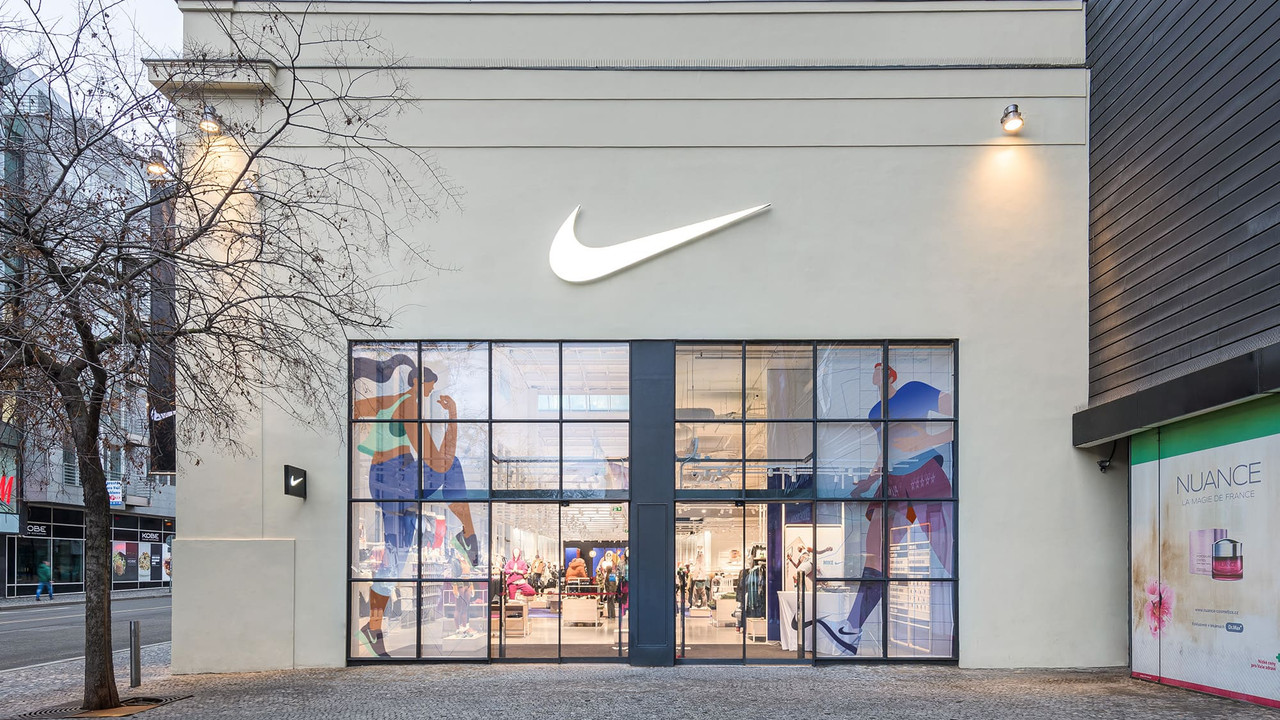
Nike is still Nike. The Swoosh remains recognizable everywhere, the company still sells billions of dollars in footwear and nobody is locking the doors at Beaverton. But on September 21, Nike will lose a seat it held for nearly 18 years.
S&P Dow Jones Indices officially announced that Nike will be removed from the S&P 100 during its quarterly rebalance. Dell Technologies, Palo Alto Networks, Arista Networks and SanDisk are entering the index, while Nike, Honeywell Aerospace, Simon Property Group and Colgate-Palmolive are leaving.
Let us kill the panic before somebody starts selling fake “final Nike drop” shirts. Nike is not being delisted, removed from the stock market or pushed out of the broader S&P 500. This is an index change intended to keep the S&P 100 representative of America’s largest companies by market capitalization. Still, the symbolism hits like a brick wrapped inside a sneaker box.
Nike shares closed at approximately $38.40 on September 4, their lowest level in roughly 12 years, according to Asset Management News. The same report places Nike’s market value near $57 billion after a decline of approximately 39 percent during 2026 and more than 48 percent across the previous 12 months.
That slide did not happen because sneakerheads suddenly forgot what a Jordan 1 looks like. Nike has spent years wrestling with sluggish innovation, heavy dependence on familiar silhouettes and a direct-to-consumer strategy that weakened some retail relationships. While the Swoosh pulled products away from traditional stores, competitors gained shelf space and introduced shoppers to different choices.
HOKA captured runners searching for comfort and performance. On turned visible cushioning into a premium lifestyle signal. New Balance made “dad shoes” cool enough for collaborations, offices and Fashion Week. Adidas found new life in terrace footwear while Nike repeatedly returned to Dunks, Air Force 1s and retros that stopped feeling scarce.
The company is trying to repair those weaknesses under CEO Elliott Hill. Nike has emphasized product innovation, stronger marketplace execution, restored wholesale partnerships and tighter cost control. The brand remains profitable, powerful and capable of producing cultural moments that smaller competitors could only dream about. But cultural dominance is rented, never owned.
For decades, Nike could dictate what the sneaker market wanted next. Today, consumers move faster, trends fragment across platforms and performance credibility can turn a smaller label into a global threat. Being iconic no longer guarantees being essential.
Nike’s removal from the S&P 100 will not decide which pair anybody wears tomorrow. It does, however, put an official marker on the scale of the company’s decline. The Swoosh still has enormous power, but the sneaker throne is no longer protected by nostalgia.
Nike does not need another retro colorway to fix this. It needs a new reason for people to believe the future wears a Swoosh.
Featured image credit: Nike.
More From Comic Crusaders: Explore more pop-culture coverage, catch our shows and podcasts, visit the Comic Crusaders Shop, or work with Comic Crusaders on advertising, sponsorships and partnerships.

Leave a Reply
You must be logged in to post a comment.