
The Daily Mobster #1 Review: A Stunning Cinematic Noir Graphic Novel With Indie Swagger
·Al Mega
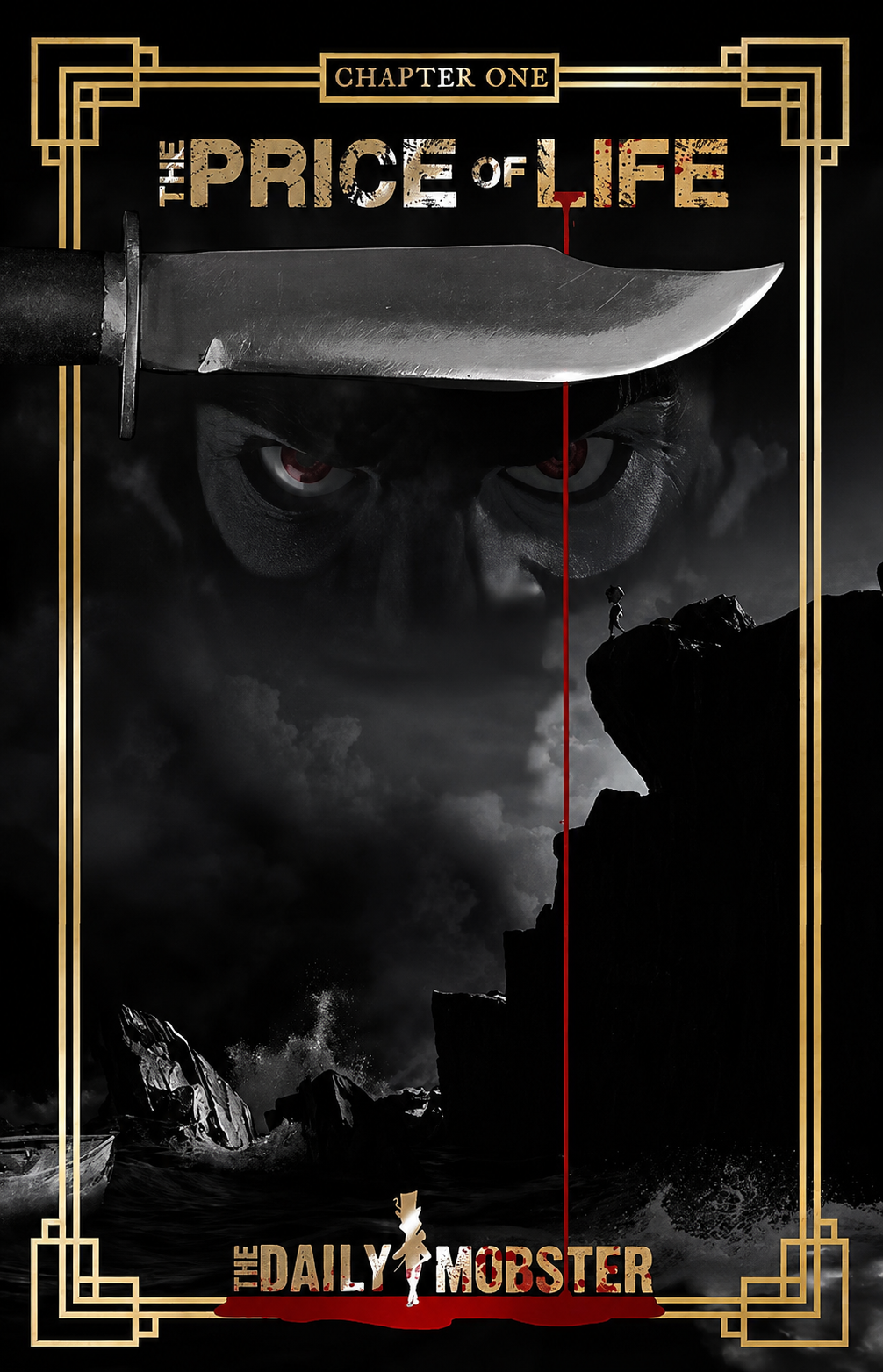
Now this right here? This is not your regular “flip the page and keep it moving” comic book situation. The Daily Mobster #1: Chapter One – The Price of Life steps into the room wearing a sharp hat, muddy shoes, a pocket full of secrets, and the kind of sinister confidence that makes everybody at the bar suddenly remember they left the oven on. This thing is noir. This thing is weird. This thing is cinematic. And most importantly, this thing has identity. Big identity. Like, “walk into Port Noir and get followed by three shadows and a pigeon with a debt problem” identity. WEPAAA!
Jack Kasprzak and Slavik IA are not just making a comic here. They are building a full-on visual crime opera with old-school mobster grime, supernatural menace, dark humor, and the kind of black-and-white atmosphere that feels like it was dipped in moonlight, cigarette ash, and bad decisions. From the opening sequence, The Daily Mobster announces itself as something unusual. We get newspaper clippings screaming about violence, officers dead, massacres, corruption, and a city that seems cursed from the pavement up. Port Noir is not simply a setting; it feels like a living organism with bad lungs, dirty money, and a heartbeat that sounds like a train rolling through the dark.
What immediately separates this book from the pack is the visual language. This is not traditional penciled comic art pretending to be film. This is a cinematic graphic novel built through a CG pipeline, and you can feel that production DNA in every frame. The lighting behaves like a camera crew is hiding in the weeds. The shadows do not just sit there; they stalk. The angles feel chosen with directorial intent. The characters have exaggerated, almost grotesque silhouettes, but they never feel random. Every face looks like it has committed a crime, witnessed a crime, or is currently negotiating with a ghost about the price of committing one later. That is the sauce right there.
The opening scene, The Man With The Hat, is all mood and pressure. A lonely stretch of tracks. A train growling through the night. A desperate man. A child’s photograph. A strange, unnerving figure named Baron Samedi. A bargain. A price. The whole thing plays like a nightmare version of a backroom deal, except the backroom is the open night and the wallpaper is the universe looking down at you like, “Brother, you really sure you want to ask this question?” There is a father’s grief in the center of this opening, and that gives the supernatural creepiness some real emotional weight. It is not just weird for weird’s sake. There is pain underneath the spectacle.
That is where the writing gets interesting. Kasprzak and Slavik IA understand noir as more than hats, guns, and gravelly dialogue. Real noir is about compromised souls. It is about people who think they are making choices, only to discover the city already made half the choices for them. The dialogue carries that old hard-boiled rhythm without becoming parody. There are lines about life, death, price, and impossibility that feel theatrical in the best way, like the characters are not only speaking to each other but also arguing with fate. And Baron Samedi? Oh, this dude is not just a character. He is a whole vibe. He enters like folklore got tired of being polite and decided to start collecting receipts.
The story also has one of my favorite ingredients: moral unease. A grieving father wants the impossible. A mysterious figure offers a path. But in Port Noir, nothing comes free. Not love. Not revenge. Not resurrection. Not answers. Definitely not peace. The book keeps circling this idea that every desire carries a cost, and that cost might be uglier than the original wound. That is good storytelling, because it gives the reader more than “what happens next?” It gives us “what would I do?” And once a comic starts making you ask yourself uncomfortable questions, congratulations, the book has you in a headlock.
Visually, the black-and-white work is gorgeous in a grimy, rain-soaked, jazz-club-basement kind of way. The textures are heavy. The lighting is dramatic. The panels use darkness almost like a character. There are moments where the compositions feel huge and cinematic, then suddenly the camera pushes into a face, an eye, a hand, a torn photo, a pocket watch, or some tiny object that suddenly feels like it weighs ten tons. That is smart visual storytelling. The book knows when to go big and when to make you lean in close, like somebody whispering something dangerous across a table.
Now, let’s talk about the character design, because this is where the book gets deliciously strange. The designs have that caricatured gangster energy, but not goofy in a disposable way. More like old newspaper cartoons got possessed by German expressionism, then hired a Hollywood VFX department to make them breathe. Faces stretch. Eyes glare. Bodies lean into their personalities. The designs are exaggerated, but they hold emotion. That is the trick. A lot of CG-heavy comic work can feel stiff or overproduced, like someone posed action figures in expensive lighting. The Daily Mobster avoids that by embracing theatrical exaggeration. It does not chase realism blindly; it chases mood, shape, performance, and atmosphere. That is why it works.
The production ambition here is bananas, and I mean that with respect. Indie comics are already hard enough when it is one person drawing pages at 3 a.m. with coffee, panic, and a prayer. This team is out here modeling, rigging, posing, lighting, rendering, designing layouts, building a whole pipeline, and still trying to tell a character-driven noir epic. That is not just hustle. That is beautiful madness. That is the kind of creator energy Comic Crusaders loves to spotlight, because this is what happens when indie creators stop asking permission and start building their own cinematic universe from the basement up. Respect.
The digital vertical scroll format also gives the story a unique rhythm. It reads less like a standard comic issue and more like descending into a film reel one frame at a time. The pauses between panels matter. The darkness between scenes matters. The long vertical movement gives the train sequence a creeping inevitability, like the reader is being pulled down the track along with the characters. This is where the “cinematic graphic novel” label actually earns its badge. It is not marketing fluff. The format, staging, lighting, and pacing are all working together.
If there is one area where readers may need to adjust, it is the density of the visual style. This is not a bright, breezy, quick-swipe comic. The pages ask you to slow down. Some panels are intentionally murky, atmospheric, and heavy with shadow. For readers who want instant clarity, that might take a minute. But for noir fans? For horror fans? For readers who like atmosphere you can practically chew? This is the good stuff. This is the visual equivalent of walking through fog with a saxophone playing somewhere you cannot see.
What makes The Daily Mobster exciting is that it does not feel like a copy of anything else sitting on the shelf. You can feel echoes of classic crime cinema, supernatural folklore, old animation sensibilities, pulp storytelling, and experimental webcomic energy, but the final blend is its own beast. Dark Spielberg meets David Lynch is a strong comparison, but I would add a little “mobster fairy tale told by a cursed newspaper machine at midnight.” Yeah, I know that sounds wild. That is because the book is wild. Beautifully wild.
The emotional hook is strong too. Beneath the style, beneath the murder-city headlines, beneath the Baron’s unsettling presence, this first chapter is about grief and desperation. A man is willing to bargain with the unknown because love has already broken him open. That gives the issue a tragic pulse. The best noir stories are never just about crime; they are about the wound that makes crime feel like an option. The Daily Mobster understands that. It has the smoke, the shadows, the danger, and the swagger, but it also has that aching human center.
By the end of The Man With The Hat, the book leaves you with a grim little question mark lodged in your chest. Who is the boy? What is the real price? Who controls Port Noir? What does Baron Samedi truly want? And how much of this city’s violence is human greed versus something older, stranger, and hungrier? That is how you start a saga. You do not answer everything. You open the door, let the fog roll in, and dare the reader to step through.
Overall, The Daily Mobster: The Price of Life is one of those indie projects that deserves attention because it is swinging for the fences with a bat made out of ambition, craft, and beautiful lunacy. Jack Kasprzak, Slavik IA, Elizabeth Chun, Roberto Esquivel, and the full visual team have created something that feels handmade, cinematic, strange, and deeply committed to its own identity. It is not trying to squeeze itself into the usual comic book lane. It built its own road, lit it with a match, and sent a ghost train down the middle.
This is noir with teeth. This is indie comics with guts. This is a visual experiment with old-school gangster blood in its veins and a supernatural smirk on its face. If you are looking for something different, something moody, something that feels like a film, a comic, a nightmare, and a crooked bedtime story all shook hands in a back alley, The Daily Mobster is absolutely worth your time.
Comic Crusaders gives The Daily Mobster #1: Chapter One – The Price of Life, is bold, atmospheric, inventive, and dripping with style. Port Noir is open for business, familia… just make sure you read the fine print before making any deals in the dark. WEPA!
CRUSADERS SCORE:
4/5

Scene Reviewed: The Man With The Hat
Executive Producer: Roberto Esquivel
Created By: Jack Kasprzak
Written By: Jack Kasprzak, Slavik IA
Story Consultant: Elizabeth “Liz” Chun
Illustrated By: Slavik IA, Jack Kasprzak
Publisher/Studio: The Daily Mobster LLC
Leave a Reply
You must be logged in to post a comment.