
The Digger #4 Review: T.S. Luther and Sam Gudilin Deliver a Savage Finale
·Al Mega
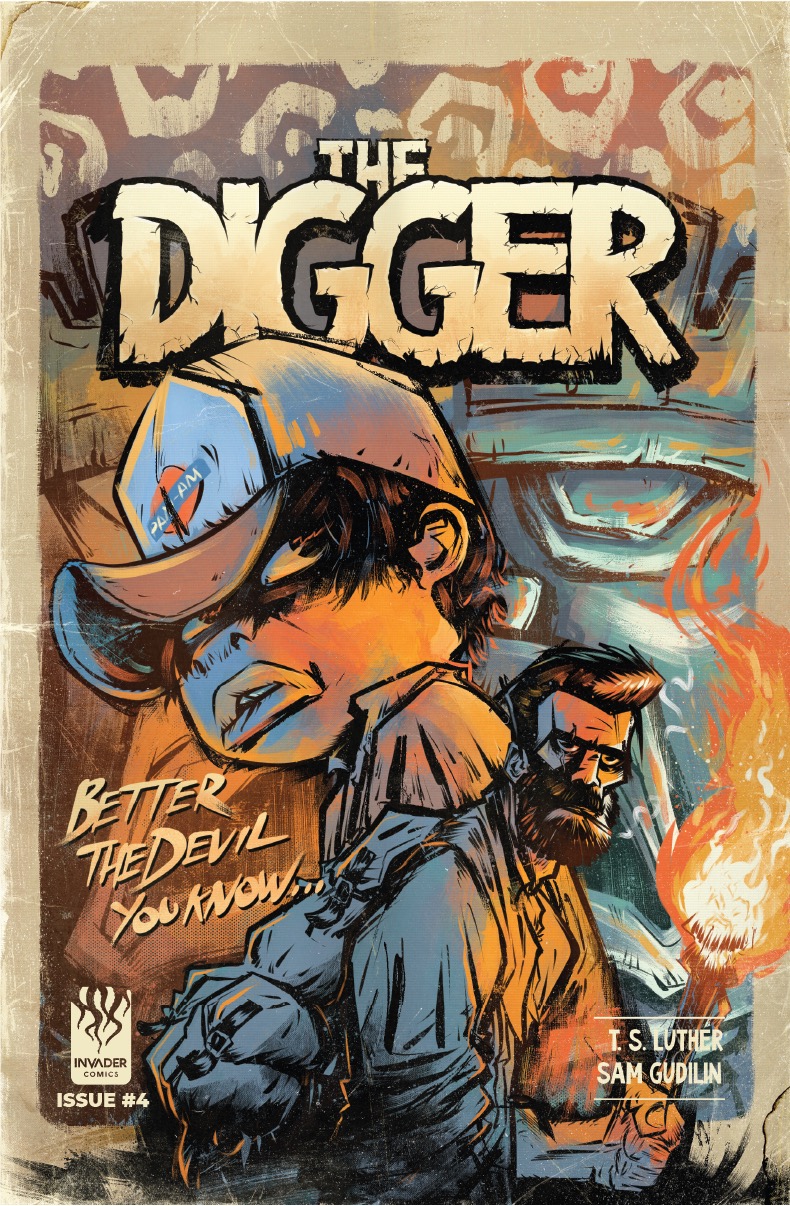
The jungle does not forgive, family. It remembers. It waits. It listens to every greedy footstep, every broken promise, every desperate breath, and in The Digger , that jungle finally sends the bill. WEPA, what a way to close the coffin on this wild, grimy, pulpy, teeth-bared adventure.
The Digger #4 is the finale of T.S. Luther and Sam Gudilin’s vicious little treasure-hunt nightmare, and let me tell you right now, this issue does not stroll into the ending wearing clean boots. Nah. This thing crawls out of the mud, wipes blood off its chin, and says, “You thought this was just adventure?” Not today, papi. This is pulp with claws. This is ancient ruin energy mixed with survival horror, greed, myth, guilt, and that nasty little voice in your head telling you to run even when your legs already gave up three panels ago.
The issue opens with a mythic gut-punch, dragging us back over 2,300 years before the main story. Right away, Luther and Gudilin establish that the Olmec ruins are not just some cool backdrop for danger and treasure. They are old. They are sacred. They are angry. That opening sequence works like a curse being whispered through stone. No long-winded explanation, no professor with a chalkboard, no “as you know” dialogue doing the cha-cha across the page. The book trusts the visuals, and that trust pays off like a heavy bag of coins dropped on a marble floor. You feel the past watching the present. You feel history breathing down everybody’s neck. And in true street terms, the ruins are not abandoned they are occupied by consequences.
From there, we jump into “Chapter 4: The End,” and that title is not playing coy. The Kid has washed ashore, battered, terrified, and stuck between two awful choices: brave the jungle and everything inside it, or deal with the monster he already knows The Digger himself. That is what makes this finale hit harder than a late-night Brooklyn pothole to the suspension. The danger is everywhere, but the real tension is moral. The Kid is scared, yes, but he is not helpless. He is young, desperate, sharp, and carrying the weight of survival in a world where adults keep proving they are the real monsters wearing hats.
T.S. Luther understands something important here: adventure stories are only as strong as the human cost underneath the chase. The Digger has always been more than a treasure hunter. He is obsession in human form. He is colonial hunger with boots on. He is the guy who looks at sacred ground and sees profit, then calls himself brave for trespassing. Luther writes him with that dangerous confidence of a man who has lied to himself so many times that the lie became his religion. But in this issue, the mask cracks. The Digger is not just chasing treasure. He is chasing validation, ownership, control, and the sick satisfaction of being the man who “found” what never belonged to him in the first place.
And The Kid? That little dude becomes the soul of the entire series right here. He is not some sidekick running behind the adult lead screaming “wait up!” He is the beating heart, the conscience, the survival instinct, and maybe the only person in the story who truly understands that some things belong where they were buried. The Kid’s journey across this issue is rough, rain-soaked, and emotionally loaded. Watching him navigate the ruins, the jungle, the creatures, and The Digger’s manipulations gives the finale a nasty, thrilling edge. There is a great moment where The Digger tries to get into his head, telling him he is not like “them,” trying to separate him from belonging, from family, from humanity. That is villain work with extra seasoning. That is not just “give me the treasure” villainy. That is psychological knife-twisting.

Sam Gudilin’s art is absolutely feral in this issue. I mean that as the highest compliment. This book looks like it was carved into bone, dragged through smoke, dipped in old blood, and then slapped onto the page with punk-rock confidence. Gudilin’s linework has this scratchy, explosive texture that makes every panel feel unstable in the best possible way. Nothing is clean because nothing in this world is clean. The jungle is tangled. The ruins are jagged. The characters look half-swallowed by shadow before the danger even arrives. It is not just illustration it is atmosphere with teeth.
The color choices are killer. That limited palette of bone-white, charcoal black, jungle gray, electric blue, violent red, torch orange, and jaguar gold gives the book a visual identity you cannot confuse with anything else on the shelf. The red sound effects do not just sit on the page; they attack it. “ROAR,” “CRACK,” “RAM,” “SLINK” these letters become part of the violence. They slash across panels like graffiti from the gods. And the turquoise-blue moments give the book this strange spiritual electricity, like the ruins are communicating through color instead of words.
The paneling deserves love too. Gudilin does not lay this out like a polite grid. Nah, this thing moves like panic. Panels stack, slice, tumble, and collide. Sometimes the page feels like it is chasing The Kid as much as the creatures are. That is storytelling, baby. The art direction makes your eye move the way the characters feel frantic, hunted, unsure where the next attack is coming from. When the jaguar presence hits, it feels enormous even before you fully see it. The creature is not just a monster; it is judgment on four legs. It is the jungle saying, “You came here for treasure? Cool. I came here for you.”
What I really respect is how little the issue needs to over-explain. The story is visual, lean, and mean. Dialogue appears when it matters, and when it does, it lands. The Digger’s words reveal his arrogance and damage. The Kid’s responses reveal fear, wit, and finally courage. The silence does the rest. That is hard to pull off. A lesser comic would drown the ending in exposition, breaking down every artifact, curse, and motivation like it was filing paperwork at the Department of Plot Explanation. Luther and Gudilin do the opposite. They let the reader feel the answer. They let the ruins speak through action. That is confidence.
As a finale, The Digger does exactly what it needs to do. It answers enough. It punishes what deserves punishing. It leaves emotional residue. It gives The Kid a final stretch that feels earned, not magically gifted. And it ends with a final image that is pure comic book brutality primal, iconic, and nasty enough to make you put the book down for a second like, “Aight, damn, I heard you.”
This issue also makes the entire series feel sharper in hindsight. The story has always carried that “evil Indiana Jones” DNA, but by the end, it becomes more than a clever pitch. It becomes a commentary on who gets to claim history, who pays the price for greed, and who survives when powerful men decide everything in the world is theirs for the taking. That is the sauce right there. Beneath the pulp, the blood, the ruins, and the jaguar fury, The Digger has something to say. It says treasure is never just treasure. Land is never just land. History is never dead just because someone with a shovel says so.
Now, let’s keep it 100: this is not a finale for readers who need everything spoon-fed with a bib and airplane noises. The Digger asks you to read the page, study the expressions, follow the visual rhythm, and sit inside the danger. Some readers may want more explicit lore or a cleaner verbal explanation of the ancient elements, but honestly, I think the mystery is part of the flavor. The book works because the ruins feel bigger than the characters’ understanding. That is how ancient power should feel. Not like a Wikipedia entry. Like a warning you ignored.
T.S. Luther delivers a sharp, brutal, emotionally charged ending that respects the reader’s intelligence and gives The Kid a finale full of fear, agency, and hard-earned grit. Sam Gudilin goes beast mode on the visuals, turning every page into a feverish collision of pulp adventure, ancient mythology, survival horror, and raw indie-comics attitude. Together, they make The Digger feel like the kind of book you discover, hand to your friend, and say, “Yo, read this before I start yelling spoilers in public.”
The Digger is stylish, savage, strange, and satisfying. It closes the adventure with dirt under its nails and a roar echoing behind it. This is the kind of indie comic energy we need more of fearless, visually distinctive, narratively lean, and packed with enough personality to smack the dust off your pull list. Invader Comics and Massive Publishing have a mean little gem here, and Luther and Gudilin should take a bow… but maybe not too close to the jungle. Something in there is still hungry.
CRUSADERS SCORE
4/5

Writer: T.S. Luther
Artist: Sam Gudilin
Cover Artist: Sam Gudilin
Publisher: Invader Comics
IN SHOPS:
July 29, 2026

Leave a Reply
You must be logged in to post a comment.