
THE ACCESSORIES #1 REVIEW: HORROR’S SIDEKICKS FINALLY GET THEIR DAMN TURN
·Al Mega
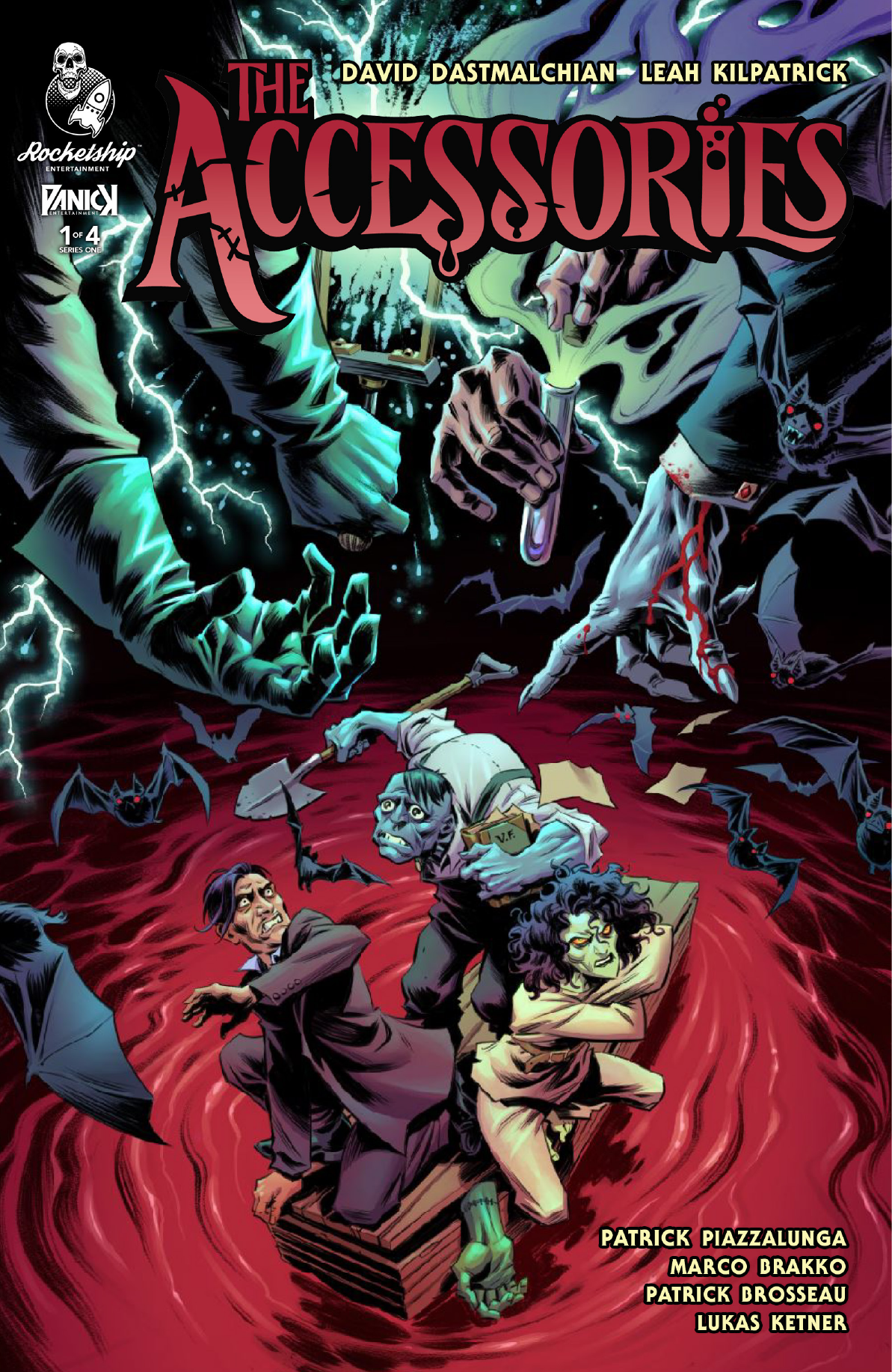
WEPA! Horror heads, slide over and make some room because The Accessories #1 rolls into the garage with one of those concepts that makes you wonder how the hell nobody hot-wired this idea sooner. David Dastmalchian and Leah Kilpatrick look at the poor bastards standing three feet behind some of literature’s most infamous monsters and finally ask the question nobody bothered asking: yo, how are the henchmen doing? Spoiler alert, not great. Igor, Renfield, and Mrs. Hyde have spent lifetimes fetching bodies, cleaning messes, taking abuse, covering tracks, and helping their masters become legends while they remain footnotes. The debut issue smartly plants its flag with Igor, and instead of turning him into some goofy hunchback punchline, Dastmalchian and Kilpatrick give the dude frustration, tenderness, bitterness, aspiration, and just enough screw-loose energy to make him dangerous. This ain’t monster nostalgia dressed up for Halloween. There’s grease under the fingernails here.
The opening sequence had me grinning immediately because the book drops the clutch on one beautifully demented running gag. We begin in 1845 with the obligatory “IT’S ALIVE!” moment, then jump forward through 1863, 1887, 1906, 1924 and eventually London in 1938, while poor Igor is still hanging around the laboratory listening to some variation of the same damn proclamation. Years fly by. Machinery changes. Bodies change. Igor keeps serving. It is funny as hell on the surface, but underneath the gag sits something considerably nastier: this man has spent decades watching somebody else pursue greatness while repeatedly promising him that his own suffering is merely another necessary step toward “progress.” Frankenstein treats Igor less like a partner and more like equipment that complains too much. Anybody who has ever worked for somebody who keeps dangling tomorrow in front of them while squeezing everything possible out of today is gonna recognize that stink immediately.

Igor becomes the engine of this first chapter because his rebellion is not born from some gigantic superhero speech. He is tired. Tired of experiments. Tired of promises. Tired of being carved up in the name of somebody else’s ambition. Dastmalchian and Kilpatrick let the humor ride alongside that resentment without making either one cancel the other out, which gives the character surprising emotional horsepower. Igor can be funny, pathetic, clever, frightened and oddly lovable inside the same stretch of pages. His desire to finally build something for himself also gives the story a theme bigger than “monster assistants go rogue.” The Accessories is playing with ownership, labor, identity and the ugly little bargain between loyalty and exploitation, but it never parks the comic so the writers can lecture us about it. The ideas ride shotgun while the characters drive. Much better.
The pacing deserves some love because this issue has a lot of mechanical parts under the hood. There are century-spanning time jumps, a present-day storyline, a flashback, Frankenstein business, Igor’s personal escape plan, and eventually the widening of the story toward another legendary servant without the whole thing turning into a supernatural traffic jam. One transition around the cart sequence makes you pay attention for a second, but once the timeline clicks, the ride stays smooth. Most importantly, Dastmalchian and Kilpatrick resist the temptation to dump Igor, Renfield and Mrs. Hyde into one giant introductory blender. Igor gets room to breathe first. By the time another familiar servant enters the lane, their conversation feels like two battered employees accidentally discovering they work for competing branches of Monster Incorporated. Their confusion about each other’s masters is hilarious, but underneath the comedy comes recognition. Both men have been promised things. Both have been used. Neither completely understands how deep the other guy’s nightmare goes. Now we’re cooking.

Patrick Piazzalunga absolutely understands what kind of comic he is drawing here. The art lives somewhere between classic Gothic horror, animated grotesquerie and grimy pulp, with exaggerated expressions that let the comedy hit without neutering the horror. Igor is the visual MVP. Those enormous exhausted eyes, hunched posture, dangling arms and permanently beaten-down body language tell you half his biography before a balloon ever appears. Piazzalunga also gets tremendous mileage out of repetition. The early laboratory compositions evolve across decades while retaining the same oppressive geometry, visually trapping Igor inside Frankenstein’s obsession even as the world around them moves forward. Then the book opens up. Taverns, muddy roads, shadowy rooms, laboratories and institutional interiors begin creating a larger world outside the master’s basement. Action panels get appropriately nasty when they need to, but the real flex is facial acting. A raised eyebrow, a dead stare, one wounded little “friend,” and suddenly Igor starts feeling less like an accessory and more like somebody you genuinely want to see escape the damn vehicle before it explodes.
Marco Brakko’s colors pour gasoline all over Piazzalunga’s atmosphere. Sickly greens dominate Frankenstein’s spaces, midnight blues swallow the exterior sequences, bruised purples creep through the shadows, and occasional amber lighting provides just enough warmth to make the darker environments feel even colder when it disappears. The palette feels old without looking dusty, which matters for a story riffing on characters we have seen reinterpreted approximately nine billion times. Patrick Brosseau’s lettering is another sneaky weapon. Those prolonged “ALLLIIIVVVEEE” variations in the opening pages are not merely dialogue, they are part of the joke’s timing, and the lettering allows each repetition to become increasingly ridiculous. Sound effects crash into the physical environment when the story gets rowdy, while quieter exchanges maintain plenty of breathing room. Lukas Ketner’s cover sells the larger ensemble beautifully too, presenting this crew as battered survivors caught beneath the shadows of the legends who have dominated their lives. Everybody in the credits box is pulling in the same direction, and you can feel it.

By the final pages, The Accessories has done exactly what a premiere issue is supposed to do: introduced a killer premise, made me care about the lead, established the visual language, expanded the playground, and then hit the brakes at precisely the moment I wanted another twenty pages. More importantly, the book understands why these characters are interesting beyond the novelty of recognizing their famous bosses. Igor is not funny because he is pathetic. He is funny because he knows exactly how absurd his existence has become and is finally starting to push back against it. There is real heart beneath the severed limbs, blood bags, mad science and monster foolishness. Dastmalchian, Kilpatrick, Piazzalunga, Brakko and Brosseau have built a horror comedy with personality, bite and enough road ahead to get dangerous. If the rest of this four-issue run keeps shifting gears like this, Panick and Rocketship might have themselves a wicked little monster rally on their hands. The forgotten sidekicks are done holding everybody else’s coat. Now they want the damn spotlight. WEPA!
CRUSADERS SCORE:
4.5/5

Creators & Writers: Leah Kilpatrick & David Dastmalchian
Artist: Patrick Piazzalunga
Colorist: Marco Brakko
Letterer: Patrick Brosseau
Cover Artist: Lukas Ketner
Editor: Michelle Longo
Publication Design: Kit Caoagas
Marketing Services: Modern Fanatic
Publishers: PANICK Entertainment / Rocketship Entertainment
Series: The Accessories, Series One
Issue: #1 of 4

Leave a Reply
You must be logged in to post a comment.