

The Conquest of the Cosmos Review: Space Race Satire
·Al Mega
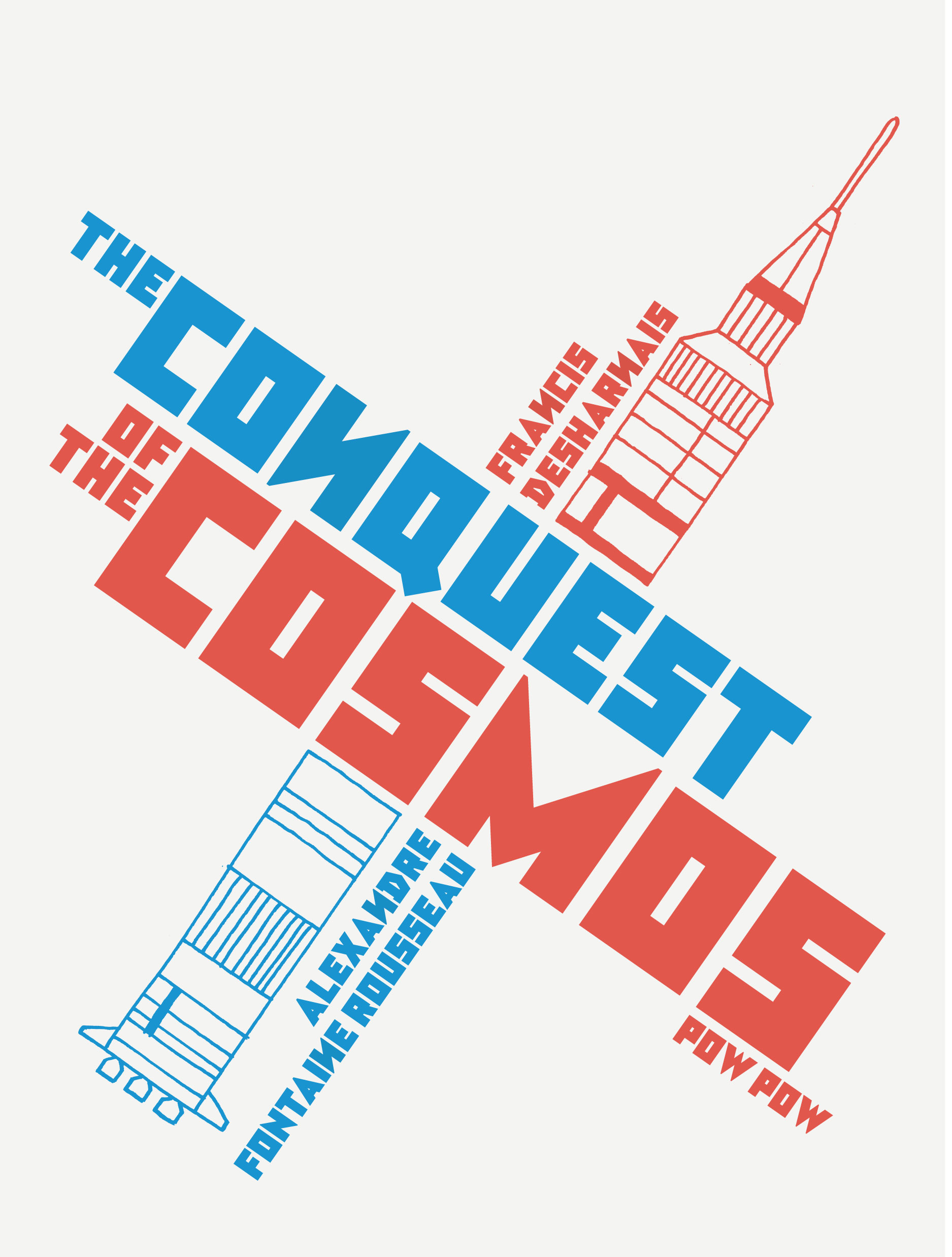
Strap yourselves in, Crusaders, because The Conquest of the Cosmos is what happens when the Space Race gets dragged out of the history classroom, handed a microphone, and allowed to expose every ridiculous decision humanity made while trying to look impressive in front of the universe.
Written by Alexandre Fontaine Rousseau, illustrated by Francis Desharnais, and translated by Pablo Strauss and Mary Thaler, this graphic novel launches from the familiar history of Sputnik, Laika, Yuri Gagarin, NASA, the Cold War, and the Moon landing. Then it immediately tosses historical decorum out of the airlock. What follows is not a faithful recreation of the Space Race. Thank goodness for that. It is a deadpan dismantling of propaganda, capitalism, communism, political vanity, technological obsession, and humanity’s eternal need to plant a flag on something before figuring out what the hell we are doing there.
The opening sequence establishes the book’s comic frequency perfectly. Sputnik is orbiting Earth, beeping away, while the people responsible struggle to explain what it actually accomplishes. It goes “beep beep.” That is basically the pitch. Congratulations, humanity. Billions spent, international tensions raised, and we have successfully launched an expensive noise into the sky. Outstanding work, everybody.
Fontaine Rousseau understands that the strongest satire does not need to scream. His dialogue stays casual, blunt, and almost aggressively reasonable while the surrounding decisions become increasingly unhinged. Characters question whether conquering space merely means filling it with garbage. Officials debate whether sending a human into orbit is too dangerous, then settle on sending a dog because apparently that makes everything less morally complicated. Spoiler alert: it absolutely does not.
The extended material involving Laika is some of the funniest and most uncomfortable work in the book. The jokes keep landing, but the cruelty underneath them never disappears. The scientists and officials treat the animal like equipment while repeatedly attempting to make the mission sound noble. The book knows the audience understands the real outcome, so it keeps circling that moral wound through absurd conversations, evasive explanations, and bureaucratic nonsense. You laugh, then feel a little grimy for laughing. That tension is where the satire earns its bite.
Fontaine Rousseau does not let either side of the Iron Curtain escape with clean hands. The Soviet Union packages danger as ideological triumph. The United States answers with branding, spectacle, consumer products, manufactured heroism, and enough marketing logic to make Don Draper ask everybody to calm down. One especially sharp sequence turns attention toward designing a logo before the mission is even properly solved. Why conquer the Moon if you cannot slap the accomplishment on shirts and coffee mugs, right? Priorities, baby!

The beauty here is that Fontaine Rousseau cooks everybody equally. Nobody gets diplomatic immunity. This ain’t some lazy “America bad” or “Soviets bad” routine dressed up like deep political commentary. Nah, son. The real target is what happens when powerful institutions mix national pride, money, fear, propaganda, and a whole lotta insecure chest-thumping, then strap that toxic stew to a rocket. Different flags, same oversized ego. That punchline hits even harder today, with governments and billionaire space cowboys staring at the Moon like it is prime real estate waiting for luxury condos, a gift shop, and a ridiculous monthly maintenance fee.
Francis Desharnais makes this cosmic circus soar with minimalist artwork that looks deceptively simple. Do not get it twisted. Every clean line, compact figure, blank stare, and beautifully unimpressed face is doing work. These characters do not need wild reaction shots or eyeballs popping out of their skulls. Sometimes one tiny glance says, “Yo, this plan is mad stupid,” louder than an entire page of dialogue. That restraint is the secret sauce. Desharnais trusts the reader to catch the joke, and when it lands, fam, it lands clean.
Those strict panel grids are where Desharnais really shows off without looking like he is showing off. He will repeat almost the same composition while a seemingly normal conversation slowly falls down the stairs, hits every step, and becomes complete foolishness. That repetition is not a shortcut. It is comedic timing with surgical precision. Every panel tightens the tension, stretches the awkward silence, and lets the stupidity marinate until the final line drops like somebody left a toolbox inside the rocket during liftoff. BOOM. Mission control, we have a punchline.
The limited color palette is straight-up visual storytelling with flavor. Desharnais floods the Soviet sequences with hard reds while America cruises in wearing cool blues, giving each side its own unmistakable comic-book identity. But peep the hustle: once pride, propaganda, and political chest-puffing take control, both camps start moving mad similar. Different colors, different flags, same clown car flying toward space with no brakes. ¡Ay, bendito!
When the book finally touches down on the Moon, Desharnais gets even nastier with the comedy. The endless black sky, quiet lunar terrain, tiny astronauts, and repeated panels make space look grand, mysterious, and humbling. Meanwhile, these dudes are standing on another freakin’ world worrying about slogans, television ratings, real estate, golf balls, and whether somebody delivered the historic line correctly. Yo, mankind just pulled off the greatest splash page in human history, yet everybody is still behaving like editorial called an emergency meeting over a crooked logo. We reached the heavens and immediately started discussing branding. That is hilarious, embarrassing, and probably more accurate than anybody wants to admit.
Pablo Strauss and Mary Thaler also deserve major love because translating comedy is no joke, fam. One stiff phrase, one mistimed pause, and that punchline floats away faster than an astronaut who forgot the safety cable. Yet the dialogue here snaps. It feels loose, current, and naturally sarcastic, with the deadpan delivery hitting exactly when it should. Nothing sounds dragged through a translation machine or polished until all the personality disappeared. The Québécois irreverence remains intact, but English-language readers never feel locked outside the party. That takes serious skill. Wepa to the translators!
Now, keeping it a buck, this cosmic roast runs for more than 200 pages, and you can occasionally see the comedic gears turning. A few exchanges keep circling after the joke already landed the haymaker, while readers hunting for one big, character-driven storyline may feel like they are reading a stack of connected historical comedy shorts. But honestly? That structure fits the madness. The actual Space Race was one long run of announcements, failures, cover-ups, comebacks, propaganda victories, and two superpowers spending absurd money just to yell, “Nah, we did it better!” The repetition becomes part of the burn because history itself kept recycling the same foolish flex with a larger rocket attached.
What makes The Conquest of the Cosmos reallyhit, though, is the respect hiding beneath all that glorious clownery. The book never denies that reaching space was an astounding human achievement. Landing on the Moon remains one of the hardest flexes our species has ever pulled off. Fontaine Rousseau and Desharnais are not clowning exploration, science, or the people brave enough to launch themselves into the unknown. They are roasting the vanity, exploitation, waste, manipulation, political theater, and galaxy-sized egos that rode shotgun. Big difference. This book knows it, respects it, and still has enough NY attitude to look history dead in the face and say, “Yo, that was incredible… but some of y’all were wildin’.”
This is historical satire with teeth, but it never forgets to be fun. It is smart without showing off, political without becoming a sermon, and visually restrained without ever feeling empty. Fans of Tom Gauld, Kate Beaton, and Monty Python will absolutely recognize the flavor, but Fontaine Rousseau and Desharnais build their own orbit. They look at one of humanity’s proudest chapters and ask the dangerous question: “Yo, did anybody involved stop for five minutes and listen to themselves?”
The answer is clearly no.
Thank goodness somebody finally made the comic about it!
CRUSADERS SCORE:
4.5/5

In Shops August 25, 2026
Writer: Alexandre Fontaine Rousseau
Artist: Francis Desharnais
Translators: Pablo Strauss and Mary Thaler
Publisher: Pow Pow Press
Original French Edition: Éditions Pow Pow, 2021
Format: Paperback graphic novel



Leave a Reply
You must be logged in to post a comment.