
THE MAFIA VS. THE KLAN Review: When Justice Is Dead, Vengeance Pulls Up With Brass Knuckles
·Al Mega
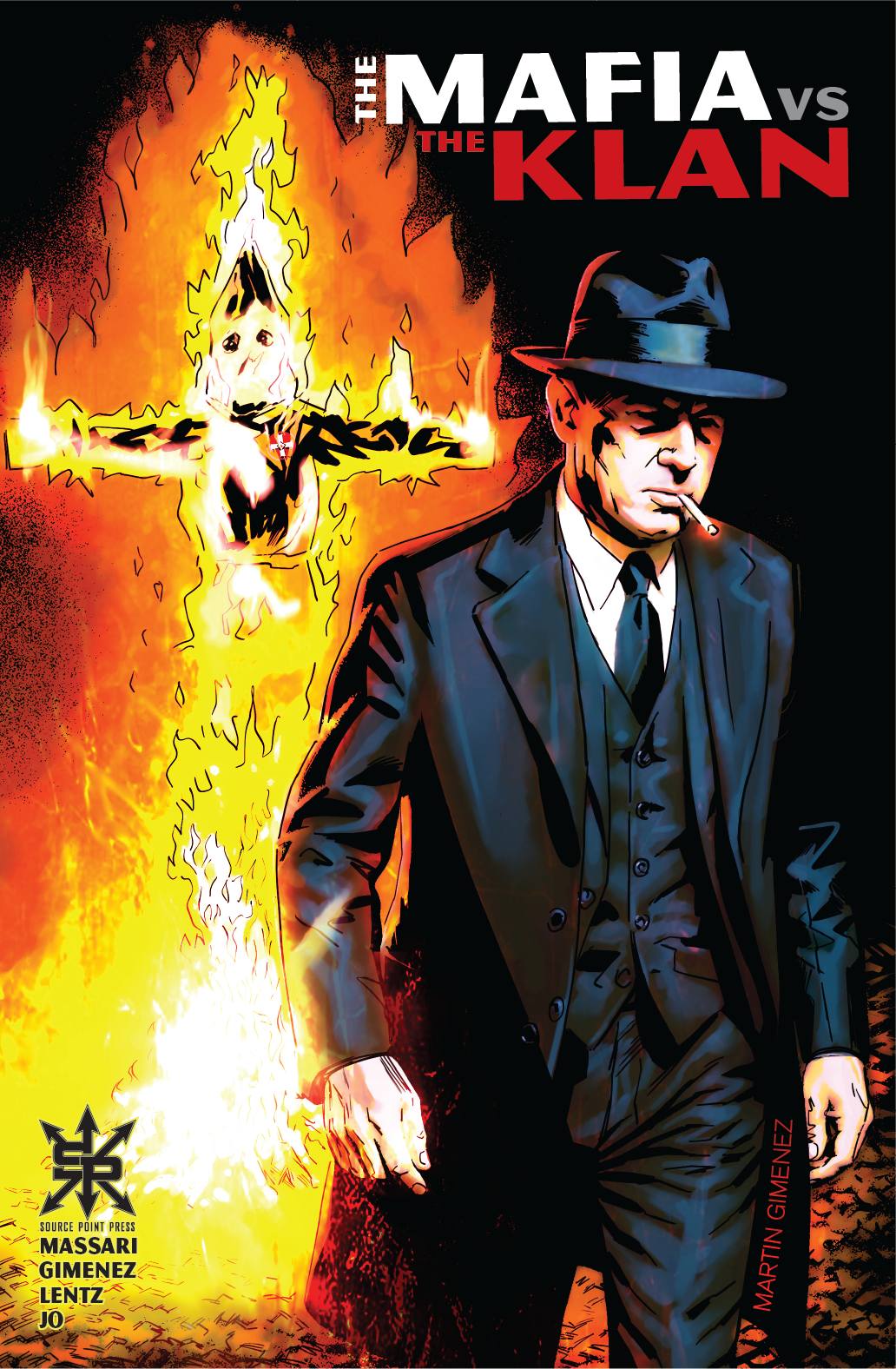
WEPA, mi gente, sometimes a comic walks into the room and you can feel the temperature change. Not because it is trying to be cute. Not because it is chasing some shiny trend like a cat with a laser pointer. Nah. THE MAFIA VS. THE KLAN comes in heavy, wearing a dark suit, carrying old family pain in one hand and a lit match in the other. This is historical noir with teeth. Real teeth. The kind that bite through the fancy napkin at the dinner table.
C.E. Massari is not playing around here. This graphic novel swings out of a personal place, inspired by real-life events connected to his own grandfather, and that gives the whole thing a different kind of weight. You can feel it in the premise alone. An Italian immigrant tries to build a peaceful life during the Prohibition era, only for hate, corruption, and violence to smash that dream in the mouth. A botched Klan assassination takes his daughter instead of him. The law is no help. The system is rotten. So what does a father do when justice is not blind, but bought, cowardly, and hiding behind the curtains like a punk? He makes a deal with devils who at least admit they are devils.
That right there is where THE MAFIA VS. THE KLAN gets dangerous in the best storytelling sense. This is not some cheap revenge fantasy where bad guys get popped and everybody cheers like it is halftime at the Garden. Massari is working with moral grime. The story understands that vengeance can feel righteous while still leaving blood on the floor that never really washes out. That is the sauce. That is the tension. Mario’s pain becomes the engine, but the book is smart enough to make sure that engine is loud, messy, and burning dirty fuel.
The easy version of this story would be “Mafia good, Klan bad.” And listen, the Klan can kick rocks barefoot across a floor full of Legos. Dead-ass. But the book seems more interested in the nastier question underneath: what happens when evil forces a decent person to choose between helplessness and damnation? That is the grown-folks conversation happening here. That is where the book earns its grit.
The “John Wick meets The Godfather” description is a strong hook, no doubt, but the project feels like it wants to be more than a mash-up poster on a convention table. John Wick gives you the clean choreography of grief turned into violence. The Godfather gives you the family mythology, the shadows behind respectability, the price of power. THE MAFIA VS. THE KLAN grabs both influences by the collar and drags them into a 1920s American nightmare where racism, immigrant fear, organized crime, and broken institutions all crash into each other like drunk drivers at an intersection with no streetlights.
That is a nasty crossroads. And visually, the black-and-white noir approach is exactly the right move. A story like this does not need candy-colored fireworks. It needs ink that feels like smoke. It needs faces carved in shadow. It needs streets that look like secrets. Martin Gimenez’s visual identity, from the available presentation of the project, leans into that stark, “Sin City”-style atmosphere with selective color used like a blade instead of a decoration. That matters. When color shows up in a world this bleak, it should mean something. It should make you look twice. It should feel like blood, fire, memory, or warning. Not confetti. Never confetti.
The strongest thing about this project is its emotional spine. This is not revenge for revenge’s sake. This is family pain converted into story voltage. You can tell Massari is not just writing about violence. He is writing about legacy. About what gets passed down when families survive something ugly. About the stories whispered at kitchens, wakes, funerals, back porches, and old photo albums where somebody points to a face and says, “You don’t know what they went through.” That right there? That is where comics can do something powerful. They can take history, trauma, myth, memory, and action, then smash them together into something that does not read like homework. It reads like a punch. And yeah, this book punches.
The Mafia angle also gives the story a sharp dramatic blade because organized crime in fiction is always at its best when it is not romanticized into slick suits and cannoli memes. Please, spare me the “boss life” nonsense. Half these internet tough guys cannot even parallel park without sweating through their shirt. Here, the Mafia functions as temptation, machinery, and consequence. They are not saints. They are not saviors. They are the door Mario opens because every “proper” door has been slammed in his face. That is where the story can really cook, because once you ask monsters to fight monsters, you better be ready when the bill comes due.
That is the part I hope the finished book keeps leaning into hard. Let the vengeance hit, yes. Let the action move. Let the bad people learn the definition of “wrong house, wrong family.” But also let the silence breathe after the gunfire. Let Mario sit in the cost. Let the reader feel that every step toward payback takes him further from the peaceful life he wanted in the first place. Because that is tragedy, fam. Not just “something sad happened.” Real tragedy is when the character gets what they think they need and loses pieces of themselves getting it.
From a storytelling perspective, THE MAFIA VS. THE KLAN has a killer elevator pitch, but what gives it staying power is the historical discomfort sitting underneath the genre candy. Prohibition America was not just jazz, bootlegging, cool hats, and Tommy guns. It was also xenophobia, racial terror, dirty politics, and law enforcement looking the other way when the “wrong” people suffered. This book taps into that ugliness without needing to turn into a lecture. That is important. Nobody wants a comic that sounds like a substitute teacher reading from a dusty binder. Give us story. Give us character. Give us the heat. Then let the truth sneak up and crack us in the ribs.
Massari seems to understand that balance. The premise has pulp momentum, but the family-history inspiration gives it a human pulse. That combo can make THE MAFIA VS. THE KLAN stand out in a crowded indie and crowdfunding space where everybody is yelling “cinematic” like it is a magic spell. This one actually feels cinematic because the emotional stakes are clear, the visual identity is bold, and the central conflict is instantly understandable. A father loses what he loves. The law fails. Hate hides behind power. So vengeance comes knocking. Knock knock, cabrón.
The constructive side? A concept this explosive needs discipline. It cannot rely only on shock, violence, and big noir posture. The emotional scenes have to land as hard as the action scenes. The villains need to be vile without becoming cartoonish. The Mafia characters need to be charismatic without getting sanitized. And Mario needs to remain a man, not just a walking revenge button in a vest. If the book gives those quieter moments enough room, this can become more than a strong genre piece. It can become the kind of graphic novel readers talk about after they close it, because it asks them whether justice and vengeance are cousins, enemies, or the same liar wearing two different hats. That is the good stuff.
Source Point Press attaching this to its relaunch gives the project extra juice too. It feels like the kind of title that can reintroduce a publisher with a statement: creator-owned, personal, dangerous, marketable, and not afraid to step into ugly history with a genre blade in its boot. This is the kind of book that can pull in crime readers, noir heads, history buffs, indie comics supporters, Kickstarter collectors, and anybody who loves a revenge story with more meat on the bone than “angry guy shoots people.” There is commercial snap here. There is emotional fire. There is old-school comic book danger mixed with modern creator-owned ambition.
THE MAFIA VS. THE KLAN is not a comfort read. Good. Not every comic should be a warm blanket and a cookie. Some stories need to drag us into the alley, point at the blood on the brick, and say, “Look closer.” This one has that energy. It has family. It has rage. It has historical weight. It has a visual style built for shadows and sudden violence. Most importantly, it has a reason to exist beyond the cool title. And let’s be honest, that title is wild enough to make people stop scrolling mid-thumb like, “Wait, hold up, what did I just read?” Exactly.
This is noir with a heartbeat, revenge with grief behind it, and historical fiction that looks ready to throw hands. If the full OGN sticks the landing on character depth, pacing, and moral consequence, THE MAFIA VS. THE KLAN could be one of those creator-owned books that does not just get backed, read, and shelved. It gets remembered. Back this one, watch this one, and keep your eyes on Massari and this creative team. Because when a comic brings this much pain, purpose, and punch to the table, you do not ignore it. WEPA approved!
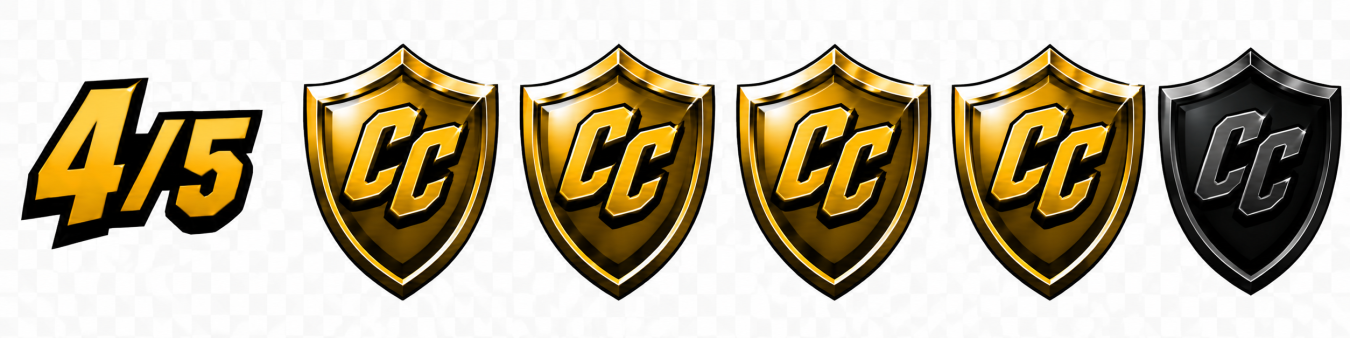
CRUSADERS SCORE:
4/5
 Kickstarter: https://www.kickstarter.com/projects/cemassari/the-mafia-vs-the-klan
Creator / Writer: C.E. Massari
Artist: Martin Gimenez
Letterer: Dave Lentz
Editor: Drena Jo
Kickstarter Exclusive Cover Artist: Plaid Klaus
Publisher: Source Point Press
Check out our interview with C.E. all about this amazing story:
https://comiccrusaders.com/blog/watch-listen/comic-crusaders-podcast/ce-massari-the-mafia-vs-the-klan-interview/
Leave a Reply
You must be logged in to post a comment.