
You Are On Native Land Review – A Graphic Work With Something to Say
·Al Mega
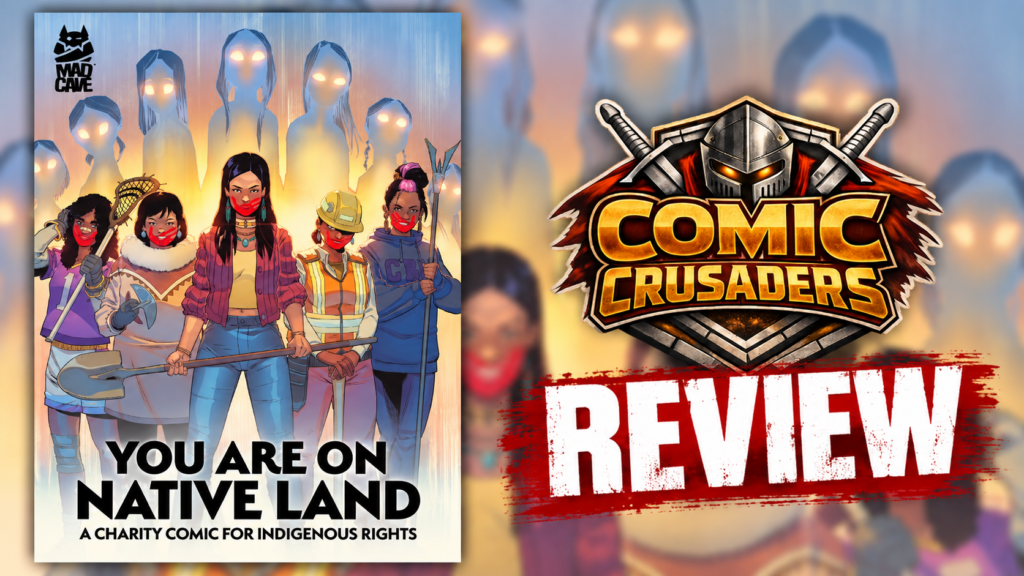
You Are On Native Land ain’t trying to be your typical graphic novel, and going into it expecting one straight story from page one to the back cover is already putting the book in the wrong box. This is a charity anthology mixing comics, essays, interviews, visual art, history and personal experiences from Indigenous contributors, all while supporting Indigenous rights. There is no attempt to make everybody sound alike or squeeze every contribution into some neat little format. Different people have something to say, different artists have something to show you, and the book gives them the space to do exactly that.
That freedom is probably the biggest reason the anthology works, but fam, it can also make this a heavy read. One minute you are inside somebody’s personal story, then you are getting historical context, then an interview comes through, and suddenly you are staring at a piece of visual storytelling that barely needs words at all. The rhythm changes constantly because the people and subjects change constantly. This definitely ain’t the book you inhale during a train ride, close at your stop and call it a day. Some pages make you stop. Some make you look again. Others send you backward because something you just read changes how you see what came before it.

Visually, You Are On Native Land goes everywhere, and I mean that as a compliment. You get clean illustration, raw personal work, documentary-style material, symbolism, archival influences and artists approaching the page completely differently from the person who came before them. Nobody apparently walked into the room saying, “Okay, everybody make your shit look like this.” Thank God for that. The individuality is part of what gives this book some life, while Diana Bermúdez’s book design and Alexandra Colorado’s production work somehow keep all those different styles from turning the whole thing into visual chaos.
The material dealing with Missing and Murdered Indigenous Women, Girls and Relatives hits especially hard because it isn’t tossed into the book like somebody checking off the “serious issue” box. There are actual people behind those words, and the anthology keeps that humanity front and center. At the same time, the book doesn’t reduce Indigenous life to suffering, tragedy and everything that has been taken away. Language, sovereignty, art, representation, humor, creativity and cultural survival are here too. I appreciated that balance because Indigenous people aren’t frozen inside some history lesson. These are living communities, living cultures and creators making work right damn now.

Now, I ain’t gonna pretend every page flows perfectly because it doesn’t. There are sections where the amount of text starts bullying the artwork off the page, and some transitions feel more like moving between magazine features than progressing through a graphic narrative. Readers coming strictly for traditional panel-to-panel comics may hit a few sections and wonder where the comic went. At times this feels closer to an illustrated cultural reader, but considering what the anthology is trying to accomplish, that approach makes sense. It does slow the pacing, though, and that’s where the sequencing takes the biggest hit for me.
What really stayed with me was how little interest this book has in pretending one person can speak for everybody. There isn’t some magic “Indigenous voice” slapped across every contribution like everybody shares the same experiences, opinions or artistic language. The contributors are different because people are different. Simple concept, right? Somehow we still need reminding. Mad Cave lets those differences breathe instead of sanding everything down into one safe, inspirational package designed to make everybody feel warm when they close the book.

I also dug how the educational material lives alongside the artwork instead of getting dumped into twenty pages at the back like homework. Interviews about language and representation sit beside comics, cultural imagery and personal experiences, which keeps the information connected to actual human beings. History can get cold real quick when it’s reduced to dates, statistics and academic language. Here, somebody can tell you something, another contributor can show you something, and suddenly the information has a face, a style and some emotional weight behind it.
And fam, don’t marathon this thing just because you can. You Are On Native Land works better when you give each section a little room before jumping into the next one. Some contributors are here to educate you, some are documenting something that needs to be remembered, some are trying to punch you directly in the emotions, and others simply want to show you their art and their world through their own eyes. Let them be different. That’s where the anthology finds its identity, and that’s why this feels less like something you finish once and toss on the shelf and more like a book you keep around because you’re probably coming back to it.
CRUSADERS SCORE:
4.5/5 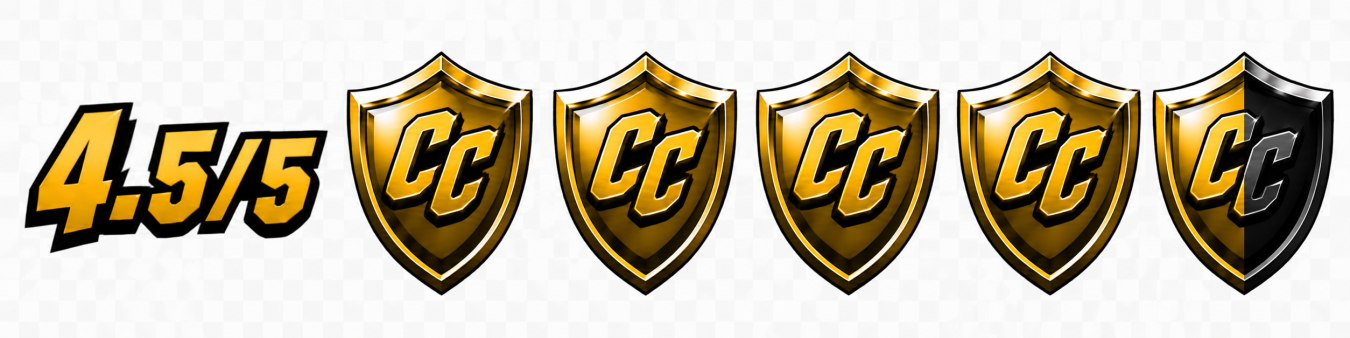
Editor: Sarah Brunstad
Book Designer: Diana Bermúdez
Book Production: Alexandra Colorado
Cover Artist: David Cutler
Lettering support: Buddy Beaudoin and Chas! Pangburn
Coloring support: Paris Alleyne and Cris Peter
Advice: Lee Francis IV
Indigenous contributors include Weshoyot Alvitre, Shaun Beyale, Roy Boney, Kelly Lynne D’Angelo, Arihhonni David, Jackie Fawn, Gord Hill, Gene Jimenez, Steph Littlebird, Chag Lowry, David Mack, Shaunna Oteka McCovey, Maya McKibbin, Jon Proudstar, Chris Williams, J. Isenburg, Michael Sheyahshe, Jim Terry and others
Publisher: Mad Cave Studios
Leave a Reply
You must be logged in to post a comment.