
Marvel Explodes! Paul Levitz Takes Us Inside the Years That Turned Marvel Comics Into a Publishing Powerhouse
·Al Mega
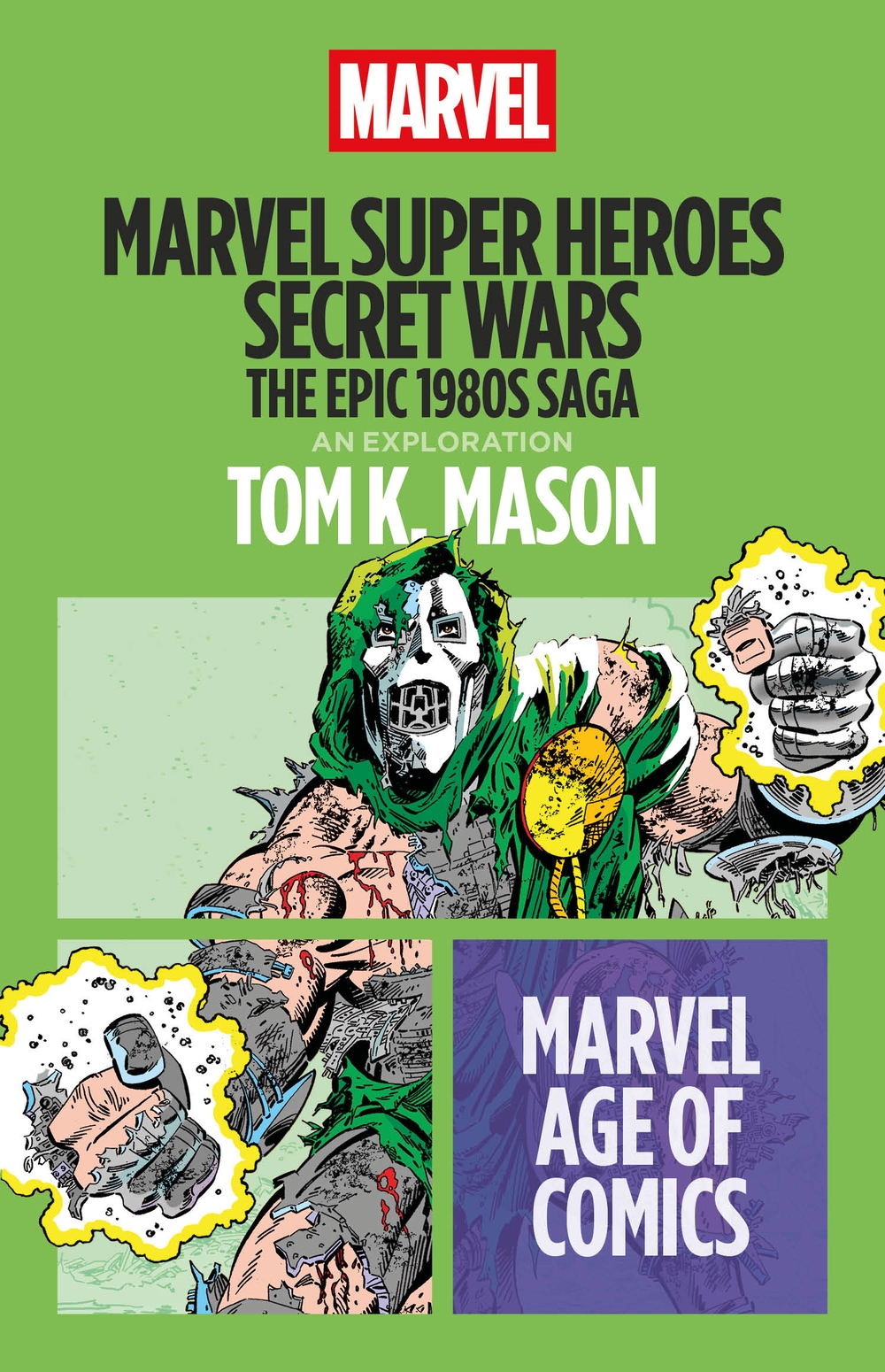
From Stan Lee and Jack Kirby to the Rise of Iron Man, Captain America, and the Hulk, Former DC Comics President Paul Levitz Pulls Back the Curtain on Marvel’s Most Explosive Era!
Yo, comic book fam, gather around because we’re about to take a trip back to when Marvel Comics wasn’t some billion-dollar entertainment machine with movies, streaming shows, and merchandise coming out of every corner of the planet. We’re talking about the days when Stan Lee, Jack Kirby, and a bullpen full of ridiculously talented creators were building something that would change comics forever. Now, here’s the beautiful irony: one of the people taking us behind the scenes of Marvel’s rise is none other than former DC Comics President and Publisher Paul Levitz. WEPAAAAAAAA!
His book, Marvel Explodes: From Bullpen to Big Business, published by Bloomsbury Academic, takes readers straight into one of the most important periods in comic book history, from 1967 through 1975. This wasn’t simply an era of colorful costumes and superheroes punching villains through walls. This was when Marvel started transforming from a creative phenomenon into a serious publishing powerhouse, and the business decisions were almost as dramatic as the stories happening inside those comic books.
Let’s rewind to 1961, when Fantastic Four #1 hit the stands and Stan Lee and Jack Kirby helped kick off Marvel’s Silver Age revolution. That comic opened the door to a wave of characters, concepts, and storytelling that would reshape the entire superhero landscape. Marvel wasn’t just introducing new heroes; it was building a connected universe filled with larger-than-life personalities, personal struggles, and enough drama to make your neighborhood gossip look boring.
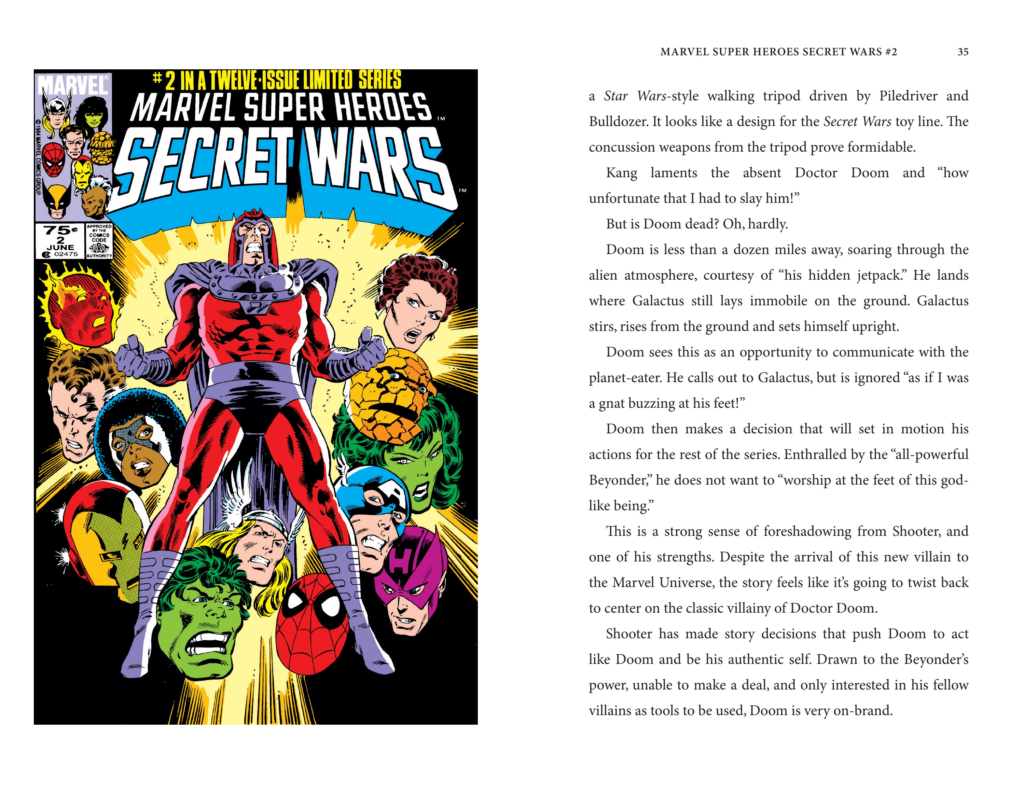
By the late 1960s, the company was ready to take things to another level. Characters like Iron Man, Captain America, the Sub-Mariner, the Hulk, Doctor Strange, and Nick Fury were growing beyond their original anthology homes. The demand for more adventures helped drive the expansion into additional titles, giving Marvel more room to develop its heroes and build its increasingly interconnected mythology.
Here’s where things get interesting, especially for anybody who loves the business side of comics as much as the creative side. Marvel’s rise wasn’t just about who could draw the coolest superhero or write the most outrageous cliffhanger. Distribution, ownership, publishing strategy, and new opportunities all played a role in determining how far the company could go.
Levitz explores those changes year by year, examining the writers, artists, new titles, and expanding mythology that fueled Marvel’s growth. He also digs into the business transitions that helped shape the publisher’s future, including changes involving distributors and owners. By 1972, Marvel had become America’s largest comics publisher, a milestone that showed just how dramatically the industry had shifted.
Think about that for a second, fam. The characters we now see dominating pop culture were once part of a publishing operation fighting for shelf space, readers, and market share. Long before anybody was talking about cinematic universes and billion-dollar box office weekends, Marvel was figuring out how to turn creative momentum into lasting business success.
Now THIS is the part that makes the whole project especially fascinating. Paul Levitz wasn’t some random observer watching comic book history unfold from the cheap seats. He spent decades helping shape DC Comics, eventually serving as its President and Publisher, while building his own impressive career as a writer.
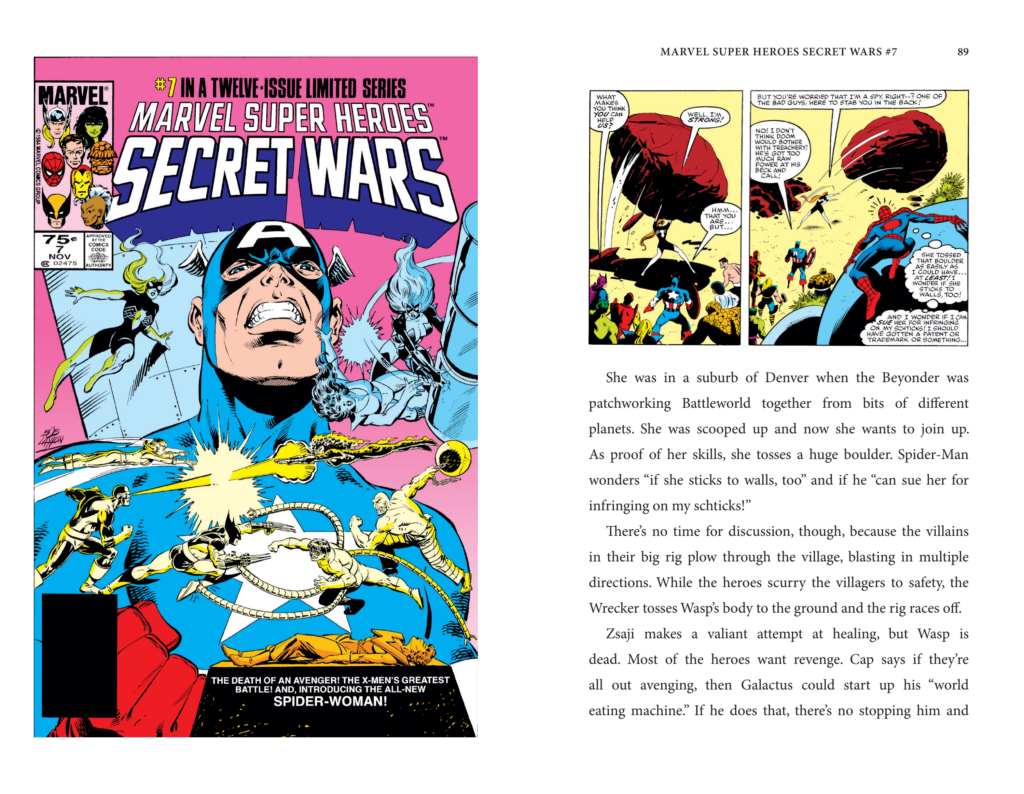
We’re talking about a guy whose credits include Superman, Justice Society, and the legendary Legion of Super-Heroes: The Great Darkness Saga. He’s someone who understands the creative and corporate sides of comic book publishing because he actually lived them. That gives him an unusual perspective on Marvel’s rise, particularly because he was connected to the competition.
Levitz describes the experience of telling Marvel’s business history as an opportunity to revisit an important era through the eyes of someone who witnessed it, knew many of the people involved, and understood the competitive landscape. That’s a perspective you don’t get from simply reading old sales figures or flipping through vintage comics. You’re getting the viewpoint of someone who understands what was happening both on the printed page and behind the publisher’s doors.
One of the most interesting aspects of Marvel Explodes is its focus on the relationship between creativity and commerce. The book examines how Marvel’s expanding lineup of writers, artists, and characters helped fuel the company’s growth while the business itself continued to evolve. It’s a reminder that even the most imaginative superhero universe needs a publishing operation capable of getting those stories into readers’ hands.
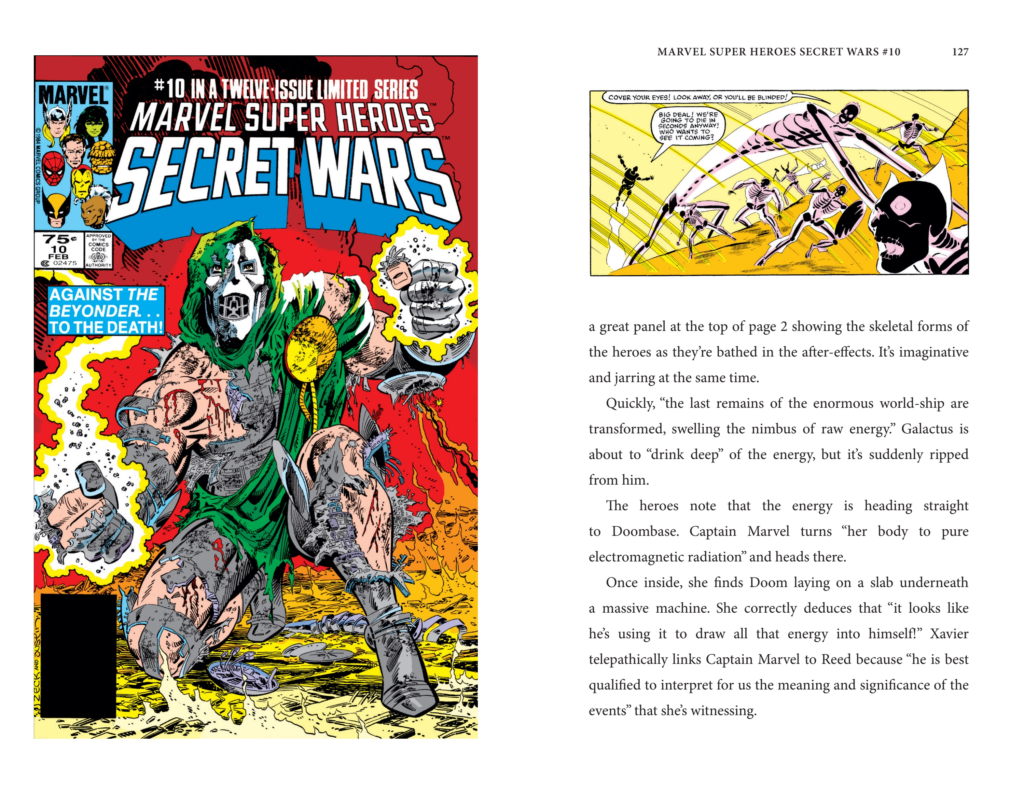
The book also features 32 color illustrations drawn from comics of the era, giving readers a visual connection to the stories and creators being discussed. For longtime fans, that’s a chance to revisit the artwork associated with Marvel’s formative years. For newer readers, it’s an opportunity to understand how the company’s visual identity and storytelling ambitions developed during a pivotal period.
Here’s something worth remembering, too. Comic book history isn’t just about first appearances, legendary battles, and which character could beat the other in a fight. It’s also about the people making decisions, taking chances, dealing with competition, and trying to keep the lights on while building something they hoped readers would love.
Marvel Explodes: From Bullpen to Big Business was released on October 15, 2026, through Bloomsbury Academic. The 176-page paperback is priced at $14.95, with ISBN 9798216377719, and includes 32 color illustrations. It’s part of the Marvel Age of Comics series, exploring the history of one of the most influential publishers in the medium.
For comic book historians, Marvel loyalists, DC fans curious about the competition, and anybody interested in the business behind the funny books, this sounds like a fascinating addition to the bookshelf. The premise alone is worth paying attention to: a former DC executive examining the years when Marvel transformed itself into the biggest comics publisher in America. You don’t need to pick a side in the old Marvel-versus-DC rivalry to appreciate that kind of perspective.
Listen, I’ve always said that if you love comics, you should know something about the people who helped build this incredible industry. The superheroes get the glory, but the creators, editors, publishers, and businesspeople behind those books have stories worth telling, too. Understanding that history gives us a better appreciation of where comics came from and why the industry looks the way it does today.
Marvel Explodes promises a look at the years when the Mighty Marvel Bullpen’s creative success collided with the realities of big business. With Paul Levitz guiding readers through that period, there’s an opportunity to see Marvel’s transformation from a perspective shaped by decades of firsthand industry experience. That’s the kind of comic book history we love digging into here at Comic Crusaders!
Keep it locked to Comic Crusaders for more comic book history, creator spotlights, industry news, and everything happening in the world of comics! WE ARE CRUSADERS! WEPAAAAAAAA!
Leave a Reply
You must be logged in to post a comment.