
Andy “The Butcher” Williams Dies at 48, Leaving a Legacy That Hit Hard in Wrestling and Metal
·Daniel Black
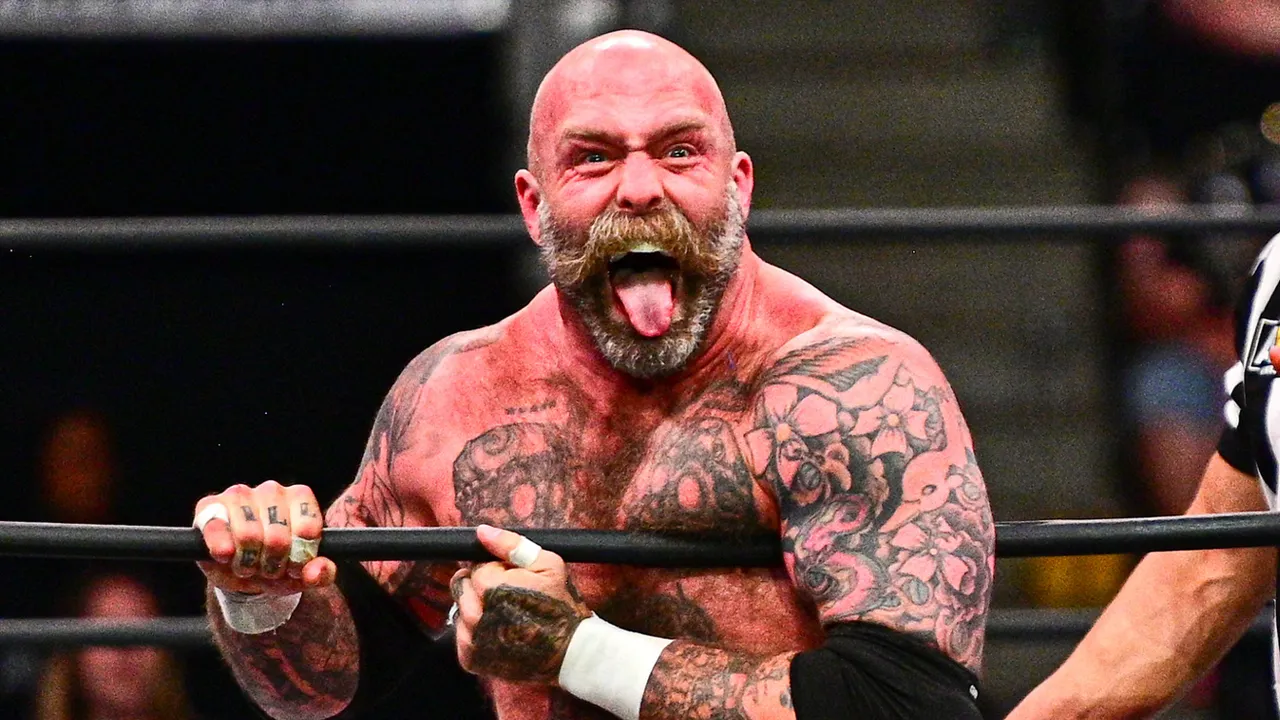
Some performers spend their entire lives trying to leave a mark in one creative world. Andy Williams managed to do it in two. The musician known for delivering crushing riffs with Every Time I Die became “The Butcher” inside the wrestling ring, building a second career through the same combination of intensity, discipline and unmistakable presence.
Williams died Saturday, September 5, after collapsing following a tag-team match at an Enjoy Wrestling event inside Mr. Smalls Theatre in Millvale, Pennsylvania. He was 48 years old.
According to CBS Pittsburgh, two doctors working at the event immediately attended to Williams, administering CPR and using an automated external defibrillator while an ambulance was called. He was transported to a hospital, where the Allegheny County Medical Examiner’s Office recorded his death at 9:43 p.m.
The official cause and manner of death have not been determined. Although event personnel described his symptoms as appearing consistent with a cardiac event, that preliminary observation should not be reported as a confirmed cause.
All Elite Wrestling honored Williams as a trailblazing musician who successfully transitioned into professional wrestling and commanded tremendous respect from his peers. The company’s website is now highlighting tributes from across the wrestling community, where the intimidating figure fans saw on television is being remembered as an unusually kind and generous person behind the scenes.
Long before The Butcher started swinging inside an AEW ring, Williams helped give Every Time I Die its muscle. He joined the Buffalo metalcore band at its formation in 1998 and remained its guitarist until the group separated in 2022. His playing helped define nine studio albums and a live reputation built on controlled chaos, sweat and the kind of energy that could make a quiet room feel dangerous within seconds.
Williams later resumed the wrestling dream he had carried since he was younger. He eventually became one half of The Butcher and The Blade alongside Jesse Guilmette, debuting for AEW in 2019. He entered professional wrestling later than most performers, but his years onstage gave him an understanding of timing, crowd movement and physical storytelling that could not be taught inside a wrestling school.
That connection between music and wrestling was not a side note in Andy Williams’ career. It was the career. He understood how both forms build tension, release energy and carry an audience through peaks and valleys. He did not merely borrow wrestling imagery for a band or use his music career as a shortcut into the ring. He put in the work required to belong in both places.
The tributes now spreading across wrestling and heavy music tell the same story. Behind the beard, tattoos, riffs and bruising offense was somebody people genuinely loved having around. Andy Williams looked like the final boss, played guitar like the building owed him money and somehow left people remembering his heart most of all.
Rest well, Butcher. The music, the matches and the people you lifted along the way will keep your name alive.

Leave a Reply
You must be logged in to post a comment.