
The Ballad of NOD Review: A Dark Fantasy YA Dreamworld Full of Heart, Nightmares & Teddy Bear Courage
·Al Mega
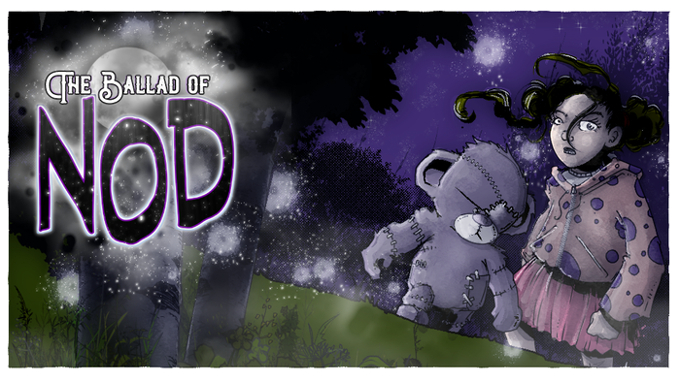
 There are comic books that want to entertain you, there are comic books that want to scare you, and then there are comic books like The Ballad of NOD, which sneak into the quiet little corners of your heart, dim the lights, and say, “Hey… let’s talk about grief, fear, childhood, and nightmares, but with demons, faeries, teddy bears, and a dreamworld that looks like bedtime got mugged by a haunted fairy tale.” WEPA, now that is my kind of emotional chaos.
Across issues #1, #2, and #3, writers Kira Burton and James Burton build a dark fantasy YA journey that feels personal, strange, sorrowful, and oddly beautiful. The story follows Fey, a grieving young girl whose emotional world is already heavy before the supernatural danger even kicks the door open. At the center of her life is Patches, her guardian teddy bear, and let me tell you right now: this little stuffed warrior is not your average bedtime buddy. Patches is out here throwing paws with nightmares like he owes rent in the dreamlands. Respect.
The first issue does a strong job setting the emotional table. We meet Fey through the lens of loss, bedtime fear, and the hidden magic children often carry when adults think they are “just imagining things.” The opening pages have this somber, moonlit quality that immediately tells the reader this story is not playing around with grief as a cheap plot device. There is tenderness here. Fey’s relationship with Patches matters because Patches is not just a toy; he is memory, protection, comfort, and the last soft barrier between a child and the monsters waiting in the dark. That makes the horror hit harder, because when something threatens Patches, it is not just threatening a stuffed animal. It is threatening the one thing keeping Fey from emotionally falling through the floor.
James Burton’s artwork gives the series its strongest identity. The visuals have a raw, eerie, indie-fantasy charm that works especially well for a dreamworld setting. The linework feels hand-touched and imperfect in a way that supports the story’s atmosphere. This is not polished corporate fantasy with every edge sanded down until it looks like it came out of a factory mold. Nah. This has texture. This has scars. This has “I drew this from somewhere real inside me” energy. The nightmare creatures have nasty teeth, glowing eyes, and twisted silhouettes that make them feel like something a kid would swear they saw in the corner of the room at 3:07 a.m. Meanwhile, Patches’ design is fantastic because he can be both adorable and battle-ready. He looks cuddly enough to hug, but also like he might headbutt a demon through a dresser. That is range, baby.
Issue #2 expands the world of NOD beautifully. This is where the story starts opening up beyond Fey’s bedroom and into the actual dreamlands, a place full of faeries, strange creatures, danger, wonder, and emotional uncertainty. The worldbuilding has that classic dark fairy tale rhythm where beauty and terror are walking hand-in-hand like they are on a cursed first date. You get glowing forests, moonlit fields, and soft fantasy visuals, but you also get demons, predatory shadows, and the feeling that everything cute could become dangerous if you blink too long. That balance is one of the book’s best ingredients. It knows how to be whimsical without becoming fluffy. It knows how to be dark without becoming joyless.
Fey’s journey in these issues is what gives the book its heart. She is not written as some instant fearless hero, and that is important. She is scared. She is lonely. She misses what she lost. She does not fully understand the rules of NOD, and honestly, neither would we. Dream logic does not come with a user manual. But what makes Fey compelling is that she keeps moving. She has moments where fear grabs her by the throat, but love keeps pushing her forward. That is the emotional engine of the series. She is not trying to save the world because a prophecy said so. She is trying to save her friend. Her guardian. Her connection to safety. That is clean, powerful storytelling.
By issue #3, The Ballad of NOD gets even more emotionally layered. The danger deepens, the visuals become more intense, and the story leans harder into the idea that grief and fear are not monsters you simply punch once and defeat forever. They are landscapes. They are forests. They are dark places you walk through, sometimes shaking, sometimes crying, sometimes with nothing but a stuffed bear, a little courage, and the memory of love lighting the way. The flashback material involving Fey’s family adds more weight to the story, grounding the fantasy in something heartbreakingly human. That is where this book becomes more than “girl in dreamworld fights demons.” It becomes a story about trauma, memory, protection, and the terrifying bravery of a child trying to make sense of pain no child should have to carry.
The lettering by James Burton deserves a shoutout as well, especially because he is wearing multiple creative hats here like an indie comics octopus with a mission. The sound effects pop with personality, especially during action and monster sequences. The dialogue is readable, expressive, and fits the surreal storybook tone. At times, the book’s lettering and page flow can feel a little dense or rough around the edges, but in a way, that roughness also matches the handmade spirit of the series. There are moments where a bit more breathing room could make the emotional beats land even cleaner, especially in pages packed with narration, creature dialogue, and dreamworld exposition. But the passion is obvious. The intent is clear. The heart is beating loud enough to wake the neighbors.
What really makes The Ballad of NOD stand out is its sincerity. This comic is not trying to be trendy. It is not chasing whatever flavor-of-the-month genre mashup is hot this week. It feels like a personal dark fantasy, one built from sorrow, imagination, childhood fear, and the strange comfort of believing something small and soft can still protect you from the worst things in the world. That gives the book a special kind of charm. It feels like The NeverEnding Story wandered into a nightmare garden, borrowed a little emotional DNA from Coraline, and then got stitched together with indie-comic soul.
For YA readers who enjoy dark fantasy, emotional quests, faeries, demons, dreamworld mythology, and stories where courage does not mean “never being afraid,” this series has a lot to offer. For adult readers, especially those who understand how childhood objects can carry huge emotional meaning, there is an extra layer here that may hit harder than expected. This is a story about grief wearing monster teeth. It is also a story about love wearing worn-out fabric and button eyes.
The Ballad of NOD is haunting, heartfelt, and wonderfully weird in the best indie-comics way. It has imagination, emotional weight, and a fearless willingness to walk through dark places without losing the fragile glow at the center of the story. Fey and Patches are the kind of duo readers can root for immediately, and the world of NOD feels like it has plenty more secrets, scars, and strange magic waiting to be uncovered. This is dark fantasy with a teddy bear sword raised against the shadows. Come on now. That alone deserves a WEPA.
Comic Crusaders Score
(Total for Issues 1-3):
3.5/5
Writers: Kira Burton, James Burton
Pencils: James Burton
Inks: James Burton
Letters: James Burton
Editor: Janathan “KENDER” Dolbee
Publisher: Scattered Comics
Leave a Reply
You must be logged in to post a comment.