
Dan Houser’s American Caper Volume 1: Red-Pilled Blues Review
·Al Mega
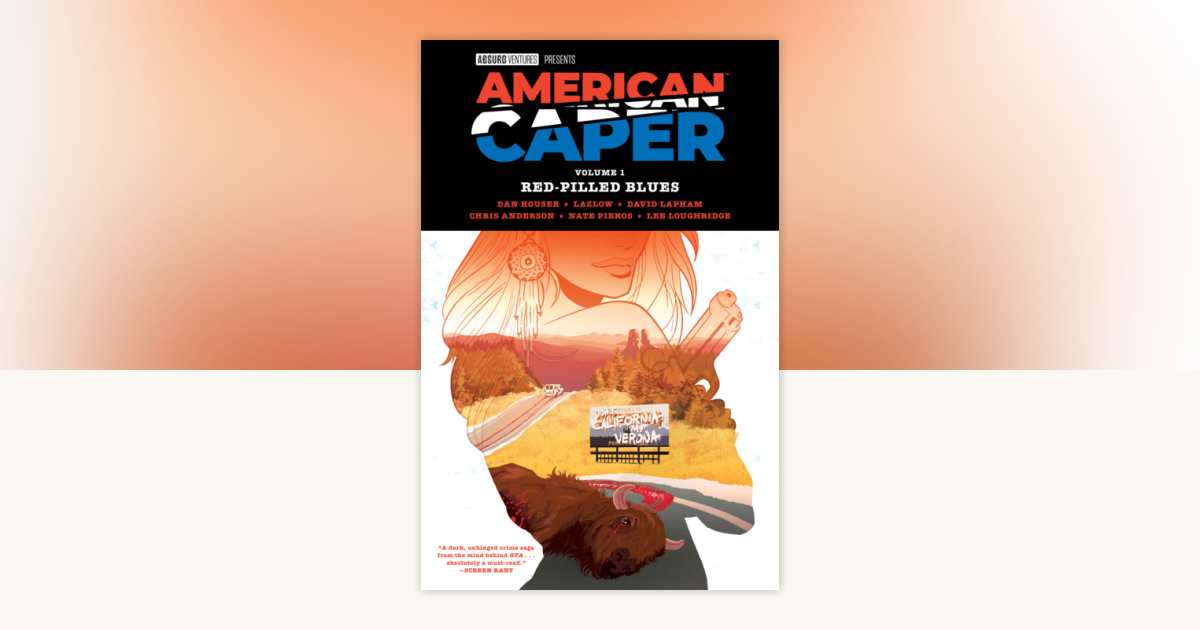
Dan Houser’s American Caper Volume 1: Red-Pilled Blues walks into the comic shop like a dude in fake cowboy boots, too much money, a shovel in the trunk, and a whole confession waiting to happen. WEPA! This is crime satire with teeth, elbows, and that special American madness where everybody thinks they’re the hero while acting like the villain from their own group chat. It’s loud. It’s messy. It’s rude. It’s hilarious. And underneath all that chaos? This thing is sharper than a busted bottle outside a Brooklyn bodega at 4 a.m.
The story drops us into Verona, Wyoming, one of those beautiful places where the mountains look holy, the real estate looks expensive, and the people are spiritually one missed payment away from chewing drywall. At the center is William Hamilton, a lawyer who knows he sold out, hates himself for it, and still keeps making decisions like his moral compass got left in an Uber. He’s not your classic hero. Nah. He’s barely holding it together, which makes him painfully funny and weirdly believable. Around him, Houser stacks a whole buffet of lunacy: a Mormon hitman, a red-pilled housewife, a Mexican beauty queen on the run, escaped convicts, a Wall Street billionaire playing cowboy, and enough bad choices to make a priest switch careers.
Houser is not being cute here. He’s looking at modern America and going, “Yo, fam, we might be cooked.” But instead of giving us some dry lecture with a tie choking the fun out of the room, he wraps the whole thing in murder, casino wings, shady land deals, fake wellness masculinity, suburban paranoia, online brain rot, cowboy cosplay, and family dysfunction so toxic it should come with a hazmat sticker. The genius of American Caper is that it doesn’t just roast one side of the cultural war circus. It walks into the whole argument, flips the table, steals the nachos, and asks why everybody is yelling while the crooks are counting the money in the back.
That’s where the satire really hits. This book could’ve been lazy outrage bait, but it’s not. It’s satire with a switchblade. Houser takes shots at greed, hypocrisy, fake rebellion, fake patriotism, fake masculinity, fake victimhood, fake family perfection, and that beautiful modern disease where people confuse being loud with being right. Everybody wants to blame “them.” Everybody wants a quick buck. Everybody wants to be the last sane person in the room. Meanwhile, the room is on fire, and half these fools are arguing about who bought the matches.
The humor is dark, vulgar, and unhinged in the best way, but there’s real structure under the madness. The story moves like a night that starts with “I’m only having one drink” and ends with somebody explaining blood evidence to the cops. Characters keep smashing into each other because everybody has a scheme, a debt, a secret, a fantasy, or a lie they’re protecting. William is drowning in guilt. Marnie is swallowed by conspiracy rage. Orson has that clean-cut holy man energy with a shovel problem, which is already nuts. Marty Blowman is Wall Street ego stuffed into cowboy drag. Freddie brings old trouble with a fresh stink. Madeline adds noir heat, danger, and that “somebody’s about to get played” vibe. Nobody here is chill. Not one soul. Even the furniture looks nervous.
David Lapham gives this thing its grimy heartbeat. The facial acting is nasty-good. People don’t just look angry, they look like every bad decision they ever made is sitting on their forehead eating popcorn. His layouts make suburban calm feel like a crime scene before the crime even happens. Clean homes, wide roads, casino lights, dusty bars, luxury developments, all of it feels like a trap door with a smiley face sticker on top. Chris Anderson’s finishes keep the linework textured and mean without losing clarity, and that matters because this book has a lot of moving parts. People are yelling, scheming, bleeding, panicking, hiding bodies, and emotionally combusting, but the storytelling stays clean. That’s craft, baby.
Lee Loughridge’s colors are doing sneaky gangster work too. The daylight scenes have this sickly suburban glow, like everything is technically pleasant but emotionally radioactive. The night scenes sink into colder noir tones, pulling the book deeper into guilt, danger, and bad ideas wearing boots. Then you get those artificial pops from screens, casinos, ads, and digital nonsense, and suddenly the whole thing feels like America’s nervous system being microwaved. Nate Piekos keeps the lettering moving through a script packed with narration, insults, panic, messages, and verbal chaos. This book talks a lot because the characters cannot shut up, and that’s the point. Everybody is explaining, accusing, defending, spiraling. Piekos keeps that traffic from turning into a pileup.
let’s keep it a buck: American Caper: Red-Pilled Blues is not for readers who need soft edges, clean heroes, or jokes that knock politely before entering. This is mature, abrasive, foul-mouthed, and proud of it. Some gags are uncomfortable. Some characters are so awful you’ll want to put the book down and apologize to your houseplants. But that’s the assignment. This is a satire about people who replaced empathy with performance, politics with tribal screaming, and identity with whatever algorithm fed them at 2:15 in the morning. It’s supposed to make you laugh and cringe at the same time. That’s the magic trick. That’s the bruise!
As a first volume, Red-Pilled Blues works because it feels like the opening act of a much bigger disaster. The first four chapters set the board, load the weapons, expose the lies, and then start knocking over dominoes with a bloody shovel. It has the engine of a crime story, the mouth of a savage comedy, and the soul of a country song written after three divorces, one bad investment, and a fistfight at a casino buffet. By the end, this thing goes from suburban satire to full-on crime meltdown, and you can feel Houser grinning through the chaos like, “Yeah, you thought this was just jokes? Buckle up, genius.”
American Caper Volume 1: Red-Pilled Blues is bold, brash, smart, rude, and built for readers who like crime comics with actual bite. Dark Horse has a wicked one here. Houser proves comics can handle his brand of absurd social commentary without losing pace or punch. This book is a mean little rodeo through American delusion, and I mean that as love. Pull up, read it, laugh at the madness, then maybe check your own timeline before yelling at strangers online. Trust me. The algorithm does not love you back!
CRUSADERS SCORE:
4.5/5

Creator & Writer: Dan Houser
Producer & Additional Writing: Lazlow
Chapters 1–3 Story Layouts & Pencils / Chapter 4 Art: David Lapham
Chapters 1–3 Finishes: Chris Anderson
Colors: Lee Loughridge
Letters: Nate Piekos
Cover Art: Tyler Boss
Editors: Shelly Bond & Daniel Chabon
Publisher: Dark Horse Books / Dark Horse Comics


Leave a Reply
You must be logged in to post a comment.