

Dorian Gray Review: Enrique Corominas Turns Oscar Wilde’s Classic Into Gothic Comic Art Fire
·Al Mega
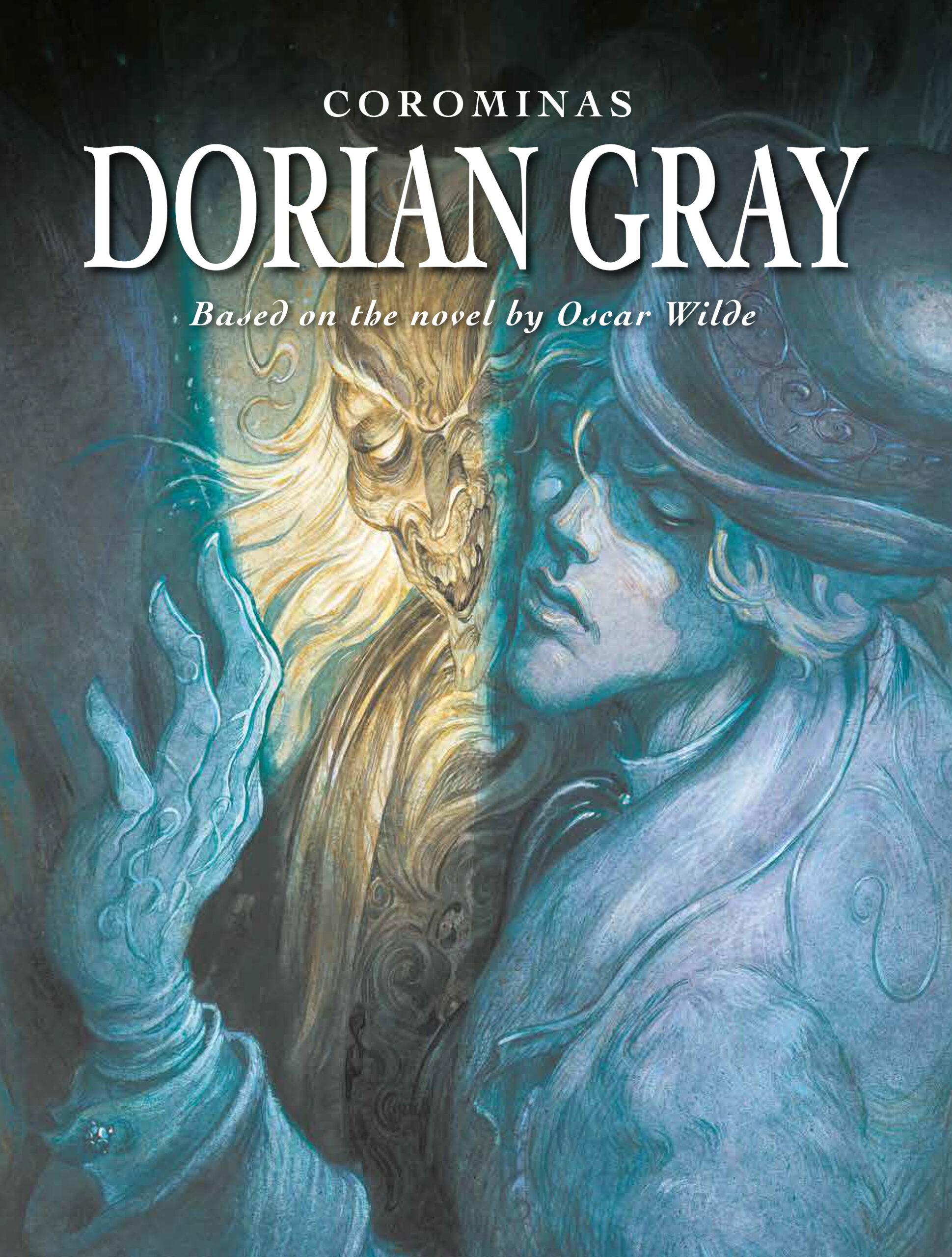
Enrique Corominas’ Dorian Gray is not just an adaptation of Oscar Wilde’s classic nah, this thing walks into the room like it owns the mirror, the mansion, the scandal, and probably your soul too. This is gothic elegance with teeth. It’s beautiful, cold, seductive, and mean in that slow-burn way where you know something terrible is coming, but the artwork is so hypnotic you keep leaning closer anyway. That’s how they get you, folks. That’s how the fancy demons pull up wearing perfume and good posture.
Titan Comics is bringing readers a lavish, visually intoxicating take on The Picture of Dorian Gray, with Corominas handling the work as both writer and artist. The result feels personal, deliberate, and deeply tuned into the original story’s poison: youth worship, moral collapse, obsession, desire, and the dangerous lie that beauty can excuse anything. This edition credits Christopher Bradley on translation, Jessica Burton on lettering, Matt Bookman on publication design, and Ibraheem Kazi as editor, with the work based on Wilde’s legendary novel.
Right away, Corominas lets you know this is not a dusty museum-piece adaptation. Yes, the setting is Victorian. Yes, the language has that Wildean sting. Yes, everyone speaks like they’re holding a teacup in one hand and emotional damage in the other. But the book never feels trapped under cobwebs. It moves. It breathes. It slithers. The opening pages frame Dorian as a man haunted by his own preserved youth, gazing at sin transformed into art, treating the hidden portrait like both confession booth and trophy case. That is the hook right there: the man doesn’t just hide from guilt he curates it.
Corominas understands that Dorian Gray is not only about a cursed portrait. That’s the easy pitch. The real story is about influence, vanity, performance, and the moment a person starts confusing pleasure with freedom. Lord Henry slides into Dorian’s life like a well-dressed bad idea, dropping philosophy with the confidence of a man who never had to clean up his own mess. His speeches about youth, temptation, and desire are dangerous because they sound smart. That’s the scary part. He doesn’t kick the door open like a villain; he whispers through the keyhole like a toxic podcast with a silk cravat.
Dorian, meanwhile, is presented as both victim and villain, and that balance is where this version gets juicy. He is not some mustache-twirling monster from page one. He begins as an image admired, protected, projected upon. Basil sees art. Henry sees potential corruption. Society sees beauty. Dorian sees, eventually, power. Once the portrait takes the hit for his sins, he becomes the living embodiment of “no consequences,” and come on now, we all know what happens when someone gets too comfortable dodging the bill. The universe always keeps receipts.
The artwork is the knockout. Corominas’ pages feel dreamlike, theatrical, and feverish, using color and composition to pull readers through Dorian’s transformation. The early pages carry elegance and softness, while later sequences become stranger, more artificial, and more emotionally unstable. Corominas even explains in the back matter that he wanted color to express Dorian’s moral transformation, beginning more naturalistically and eventually pushing toward more expressionist tones. That choice is not decorative; it is storytelling with a paintbrush and a wicked little grin.
There’s a ghostly quality to the visuals that makes the entire book feel like it was painted by candlelight after midnight. Figures stretch. Rooms feel too tall. Shadows move like they know something. The palette leans into blues, greens, pinks, bruised purples, and sickly elegance, creating a world where beauty is never fully safe. This ain’t your clean, glossy, superhero-panel situation. This is visual decadence. This is art-house horror with Victorian drama in its veins. This is “put on classical music, dim the lights, and question your life choices” energy.
The decision to shape the story like a five-act opera is one of the smartest creative choices here. Corominas states that he approached the adaptation as a five-act opera with a monologue from Dorian, giving the work a theatrical rhythm that fits Wilde’s world beautifully. The result gives the book a staged intensity. Scenes don’t just happen; they perform. Conversations feel like duels. Entrances matter. Silences matter. Even the page turns feel like curtain drops.
The handling of Sibyl Vane is especially strong. In many versions of this story, Sibyl can feel like a symbol more than a person, but here the theatrical staging and visual choices give her tragedy a sharp emotional edge. Dorian’s attraction to her is tied to art, projection, and fantasy, not real love. When she becomes real when she chooses life over performance he rejects her. That moment still lands like a cold slap. It is one of the clearest examples of the book’s central sickness: Dorian doesn’t love people. He loves what people reflect back at him.
And that is why this story still matters. In 2026, Dorian Gray hits differently because we live in the age of curated identity. Filters, followers, image control, beauty culture, influencer worship my people, Dorian would have had a nightmare Instagram and a skincare sponsorship before lunch. The portrait is basically the original hidden algorithm: the private ugliness behind the public glow-up. Corominas doesn’t have to modernize the setting to make the point modern. The point is already sitting right there, smirking at us from the mirror.
The book also has teeth when it comes to class and hypocrisy. Dorian’s world is filled with people who speak beautifully while behaving terribly. Reputation matters more than truth. Scandal matters more than harm. Art becomes an excuse, philosophy becomes a mask, and morality becomes something people discuss over drinks while stepping over the wreckage. That’s where the adaptation earns its bite. It does not simply admire Wilde’s wit; it shows the cost of living inside it without a soul.
The lettering by Jessica Burton deserves real praise because this is not an easy book to letter. Wilde’s world is dialogue-heavy, full of aphorisms, layered conversations, and theatrical pacing. The lettering needs to carry elegance without choking the art, and for the most part, it lands cleanly. The captions and dialogue guide the reader through a dense emotional and philosophical world without making the pages feel like homework. That’s a win. Nobody wants gothic literature served like a tax form.
Christopher Bradley’s translation also keeps the dialogue sharp and readable. The voice feels formal without becoming stiff, poetic without becoming foggy. That matters because Dorian Gray lives and dies on tone. Too plain, and it loses the Wilde flavor. Too ornate, and readers start tapping out like, “Aight, professor, I came for gothic drama, not a vocabulary mugging.” This version walks that line with confidence.
What may divide some readers is exactly what makes the book special: it is not a fast read, and it is not trying to be. This is not a snack. This is a rich meal with strange spices. Some pages ask you to slow down, absorb the imagery, and sit with the atmosphere. Readers looking for a streamlined, action-forward adaptation may find it heavy. But readers who love gothic art, literary comics, symbolic storytelling, and morally messy characters? Oh, they’re eating good. Put the kettle on and prepare to be emotionally disrespected in the classiest way possible.
The back matter adds another layer of appreciation, especially when Corominas discusses focusing on the original thirteen chapters from Wilde’s 1890 version and reshaping elements to highlight the story’s core ideas visually. He also notes drawing from À Rebours and blending it with imagery inspired by Les Chants de Maldoror, which explains why the book sometimes feels less like a straight adaptation and more like a decadent nightmare opera. That creative honesty matters. It shows this was not made by someone simply “covering” Wilde. Corominas is in conversation with Wilde, arguing with him, dancing with him, maybe even side-eyeing him from across the ballroom.
At its strongest, Dorian Gray feels like a warning wrapped in perfume. It tells us beauty without conscience becomes rot. Pleasure without responsibility becomes emptiness. Influence without care becomes violence. And youth? Youth is powerful, sure but worship it too hard and it becomes a god that eats you alive. Dorian wants to remain untouched by time, but the soul always finds a way to show the damage. The face can lie. The portrait cannot.
This is a gorgeous, haunting, ambitious adaptation that respects Wilde while refusing to behave like a polite little school assignment. Corominas brings painterly madness, theatrical structure, and emotional venom to a classic that still has plenty of blood left in its bite. Titan Comics has a release here that should appeal to literary comic fans, gothic horror heads, art lovers, Wilde devotees, and anyone who enjoys watching a beautiful disaster slowly realize the mirror has been snitching the whole time.
CRUSADERS SCORE:
4.5/5
Writer/Artist: Enrique Corominas
Based on the novel by: Oscar Wilde
Publisher: Titan Comics
Edited by: Ibraheem Kazi
Publication Design: Matt Bookman
Translated by: Christopher Bradley
Lettered by: Jessica Burton
Original French Publication Design: Vincent Odin
Originally Lettered by: Philippe Glogowski and Studio Leonardo
On Sale:
September 22, 2026
Check out our awesome interview with Enrique:
Enrique Corominas Opens the Attic Door on Dorian Gray in This Haunting Interview

Leave a Reply
You must be logged in to post a comment.