
Dying Samurai Review: Swords, Zombies and One Hell of a Last Stand
·Al Mega
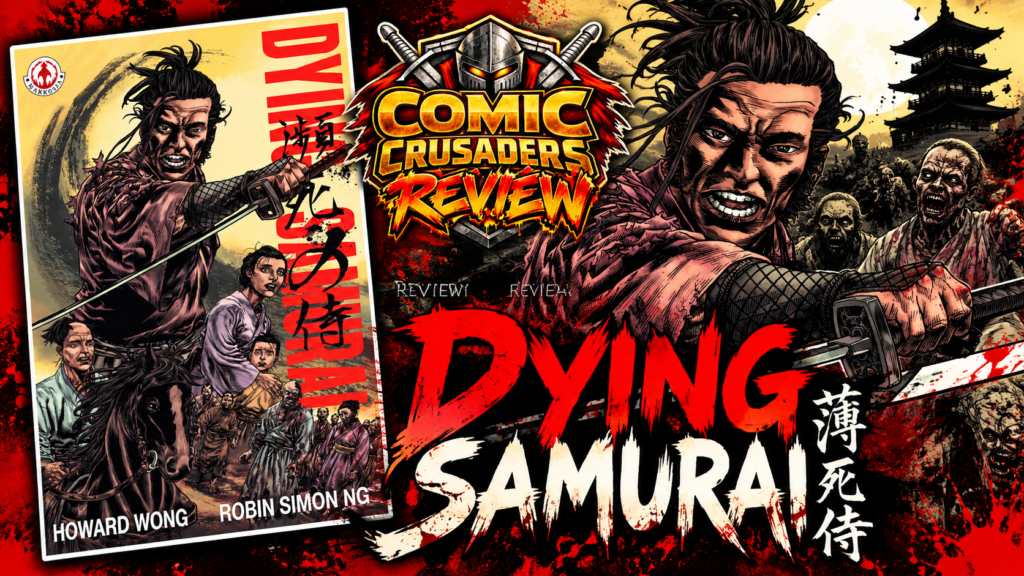
Ayo, fam, somebody tell me why a samurai can’t even get a quiet day without the dead crawling out of the woodwork looking for trouble! Dying Samurai, the 2026 one-shot from AAM-Markosia, takes the old-school sword-and-honor setup, throws a whole village into a nightmare, and lets the blood start flying. Howard Wong and Robin Simon Ng aren’t interested in giving us some polished warrior who poses dramatically while everybody waits for his next inspirational speech. Their swordsman looks like a man who’s already survived more than anybody should, and the walking dead are about to make his situation a whole lot worse. Papo, this is a nasty little piece of samurai horror, and the opening pages waste absolutely no time announcing that the countryside is NOT safe.
The trouble arrives by sea, with a wrecked ship, a strange survivor, and the kind of discovery that should have sent everybody running in the opposite direction. Instead, the sickness spreads, the bodies start moving, and ordinary people suddenly find themselves facing neighbors who no longer behave like neighbors. Wong doesn’t spend twenty pages explaining the mechanics of the outbreak. He gets us into the confusion, the fear, and the desperate decisions people make when the rules of the world stop making sense. That’s a smart approach for a short comic. The village doesn’t have a laboratory or a superhero hotline, fam. It’s got frightened families, a few weapons, and one warrior who knows how to make a blade do its job.
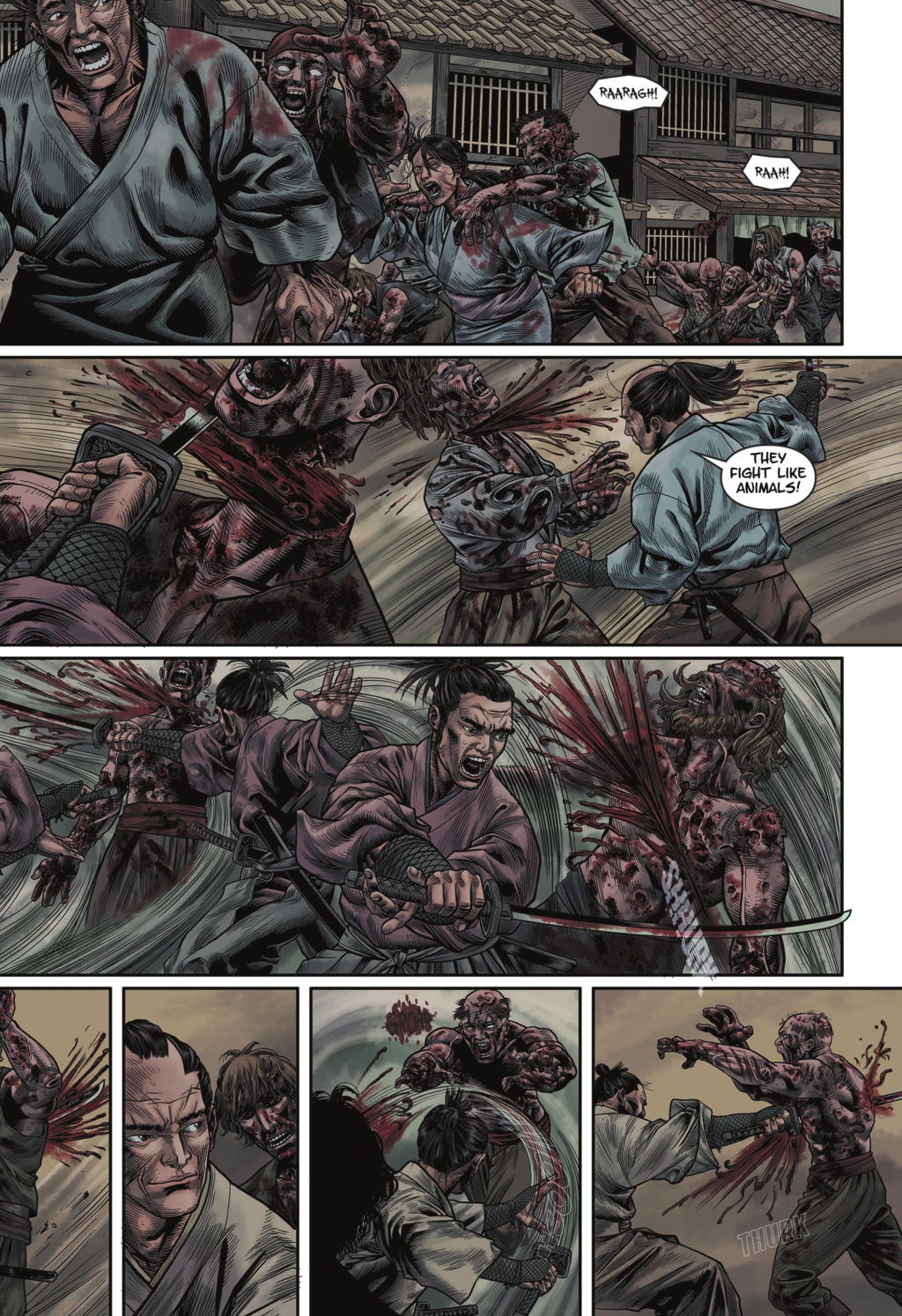
The fighting gets ugly fast. Our samurai is capable, stubborn, and clearly carrying more than physical scars, while the people around him are forced to decide whether they’re going to stand together or save their own skin. I like that Wong lets panic create problems of its own. These aren’t trained monster hunters who instantly understand what they’re facing. Some freeze, some lash out, and some make choices that put everybody else in danger. There’s also a personal thread running through the chaos, with a younger survivor and the warrior’s growing sense of responsibility giving the mayhem something human to hold onto. Without that connection, we’d just be counting severed heads, and even I need a little more than that with my morning café.
Now let’s give Robin Simon Ng his flowers, because the artwork is doing some HEAVY lifting here. The first attack is a proper horror show, all broken bodies, frantic faces, and blades cutting through crowds that refuse to stay down. Ng doesn’t make the violence pretty. Limbs twist, blood splashes, and the infected look genuinely miserable, like death itself came back with a grudge. The page layouts are busy, sometimes deliberately overwhelming, but the stronger sequences guide your eye from one desperate strike to the next. There’s a nasty rhythm to the swordplay, especially when the samurai has to deal with multiple attackers coming from different directions. Coño, these zombies have absolutely no respect for personal space!
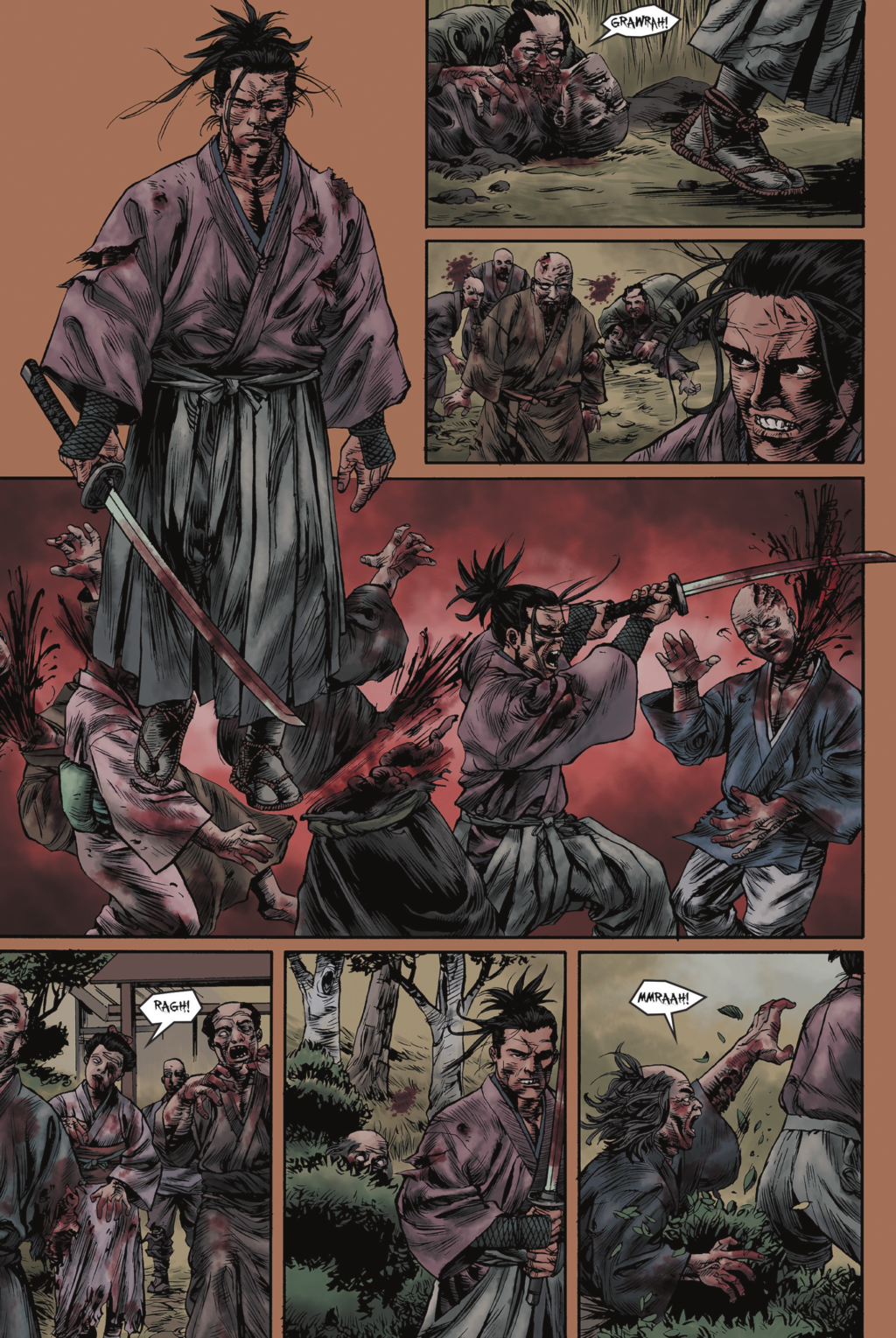
The colors lean into dusty browns, bruised purples, muddy greens, and sudden streaks of red, giving the whole book a grimy, lived-in atmosphere. You can practically smell the harbor and the blood-soaked streets. Ng’s environments help sell the period setting, with wooden buildings, village paths, and the surrounding landscape keeping the action grounded even when the undead start piling up. Wong also handles the lettering, and most of the dialogue stays easy to follow amid the carnage. A few crowded pages could’ve used cleaner separation between speech balloons and action, though. When everybody’s yelling, bleeding, and swinging a sword in the same panel, the reader deserves a clear path through the madness.
One thing I appreciate is how the story keeps widening its view. The danger doesn’t stop with the first attack. Survivors argue over what to do, armed men start treating the crisis like a problem they can control through force, and the people caught between those competing ideas pay the price. That gives the comic a little bite beyond the zombie gimmick. Wong is interested in what fear does to a community, especially when the people claiming authority are just as terrified as everybody else. There’s a grim little irony in watching human beings make the situation worse while the monsters keep doing exactly what monsters do. Some folks would rather fight each other than admit they’re all standing in the same disaster. Sounds familiar, doesn’t it?
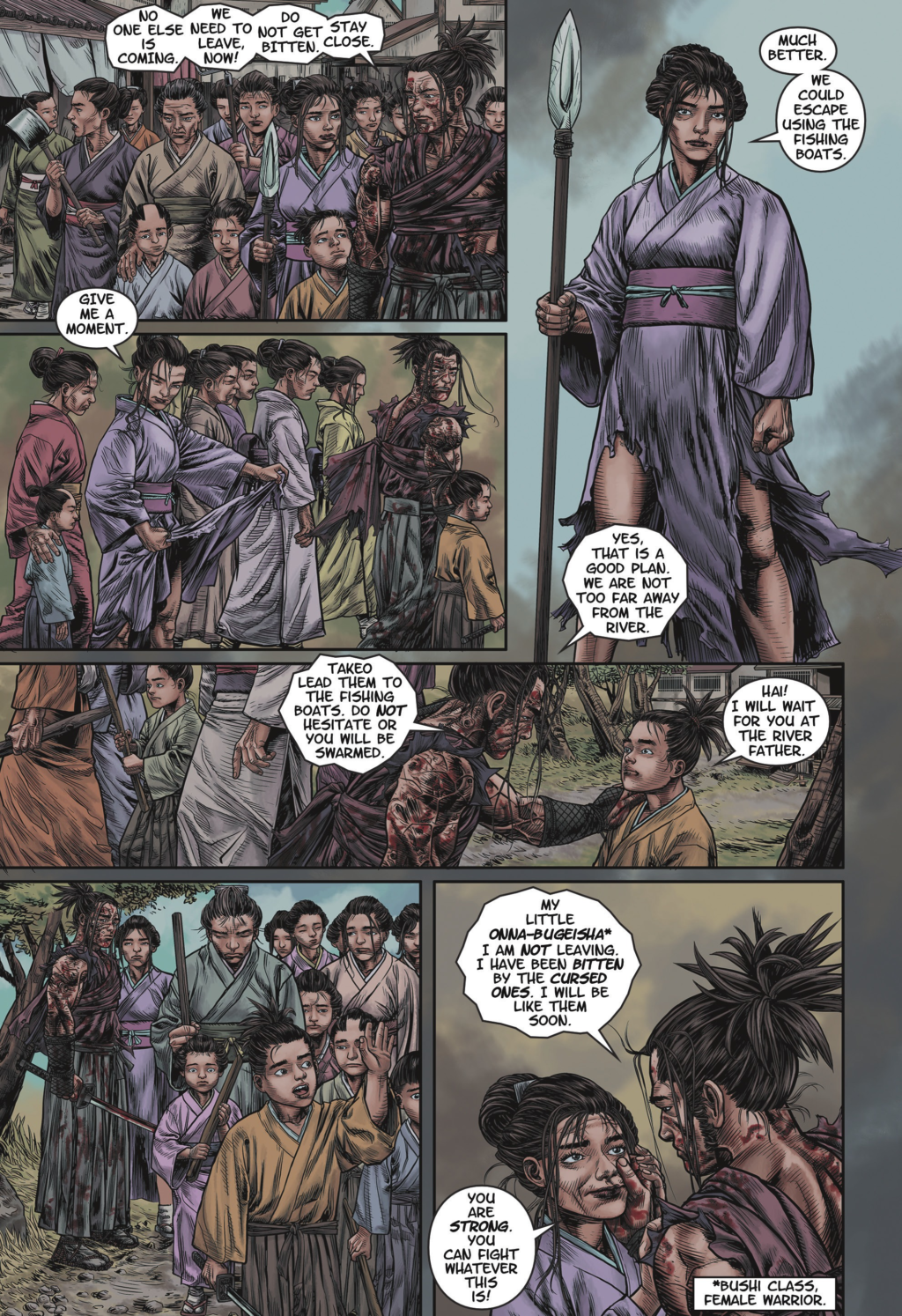
Now, I gotta give the book a lil’ grief. At roughly forty pages of story, Dying Samurai is trying to juggle an outbreak, a large cast, repeated battles, shifting loyalties, and an emotional ending. That’s a LOT to squeeze into one sitting. A couple of supporting characters blur together, and some transitions jump forward before the last scene has fully landed. The dialogue occasionally explains what the artwork has already made obvious, while a few action panels become so crowded that the choreography loses its snap. I’d have welcomed more quiet time with the central characters before the final stretch. Give me another beat to know these people, Wong, because then every terrible decision and every loss hits twice as hard.
Dying Samurai delivers exactly the kind of rough, bloody genre mash-up that can make an indie comic worth checking out. Howard Wong brings the desperation, the human conflict, and the samurai’s bruised sense of duty, while Robin Simon Ng gives the story its savage personality through expressive faces, grim settings, and some seriously vicious undead action. The pacing gets crowded and the cast could use more breathing room, but the book has heart beneath all the flying body parts. AAM-Markosia deserves credit for putting a scrappy, unapologetic horror one-shot like this on the shelf. If you like your samurai stories with impossible odds and your zombie stories with actual consequences, pull up a chair, fam. Just keep the sword close.
Crusaders Score:
4/5
Co-Creator / Writer / Letterer: Howard Wong
Co-Creator / Artist: Robin Simon Ng
Publisher and Managing Partner: Harry Markos
Special Projects Co-Ordinator: GM Jordan
Creative Consultant: Andy Briggs
Editor-in-Chief: Lee Shermer
Publisher: AAM-Markosia

Leave a Reply
You must be logged in to post a comment.