
LEVIATHAN FREEDOM #1 Review: Tom Morello and Marc Guggenheim Turn Rebellion Into a Cosmic War Cry
·Al Mega
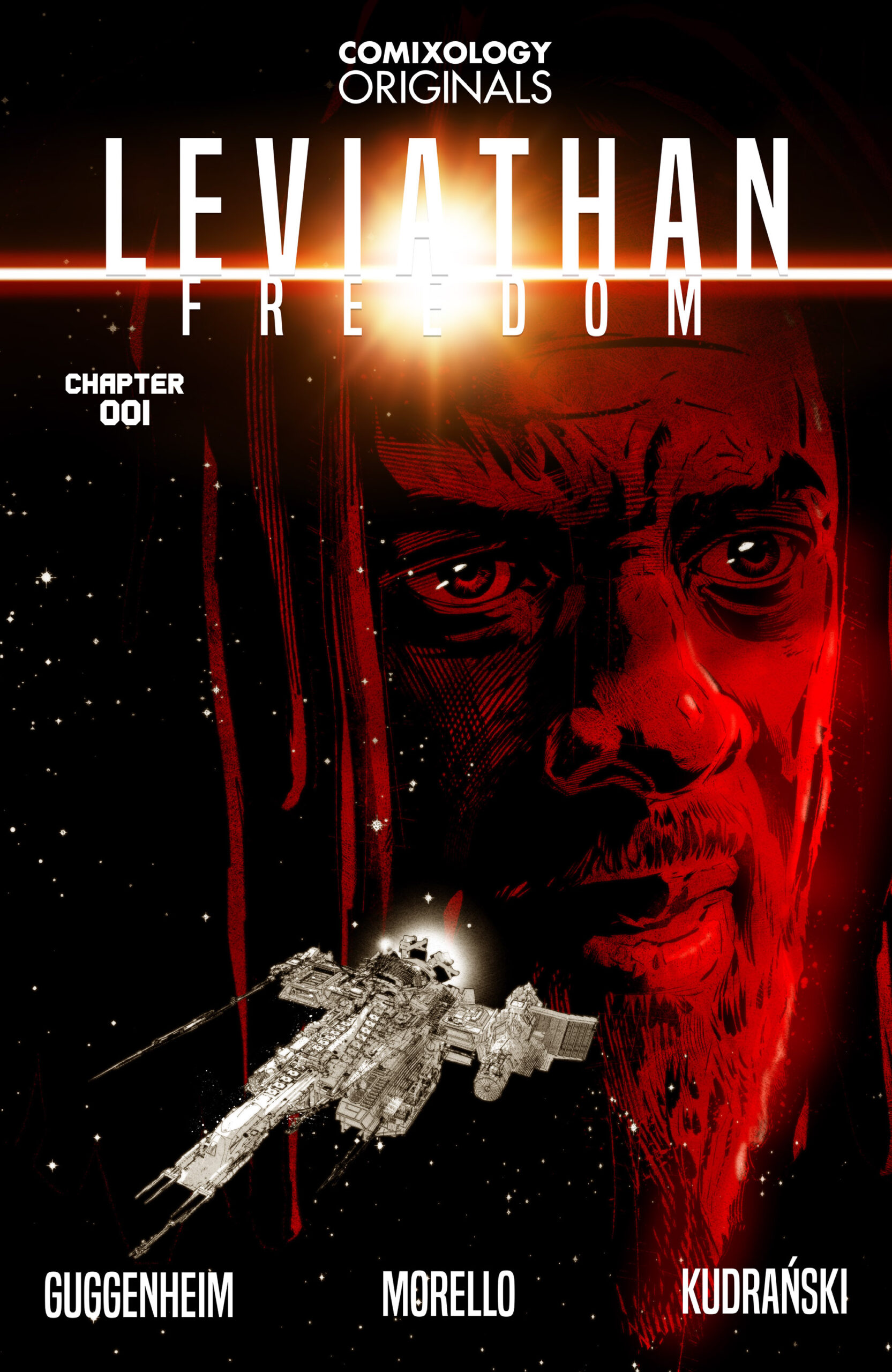
Wepa, mi gente, every once in a while a comic comes along that does not just want to entertain you, it wants to grab you by the collar, shove you into the engine room of history, and say, “Yo, pay attention, because freedom was never handed out like free samples at Costco.” Leviathan Freedom #1 is that kind of book. Loud in spirit. Heavy in atmosphere. Angry in the right places. Smart without acting bougie about it. This is sci-fi with dirt under its nails and a revolutionary heartbeat banging against the walls like somebody trapped inside a starship screaming, “Nah, we not living like this no more.”
Written by Tom Morello and Marc Guggenheim, with art by Szymon Kudrański and letters by DC Hopkins, Leviathan Freedom takes the legacy of Robert Smalls and launches that defiant energy straight into the cosmos. And let me tell you something, fam, that concept alone is a banger. Smalls’ real story already sounds like something Hollywood would exaggerate, except history got there first. A man born into slavery seizing a Confederate vessel and sailing himself, his family, and others toward liberation? That is not just courage. That is chess at gunpoint. That is destiny with the volume knob ripped off. Leviathan Freedom does not retell that history beat-for-beat. Instead, it builds a galactic civil war around the same spiritual engine, the idea that oppressed people eventually stop asking for permission to breathe.
The book opens cold and sharp, like stepping barefoot onto metal in a freezing starship corridor. We are thrown into a galaxy fractured by war, where the mighty ships and military machinery look grand from the outside but are powered by people treated like replaceable parts. The Doldrums, the laborer caste at the center of this story, are not romanticized. They are tired. Used. Watched. Managed. Spoken down to. Their suffering is not decorative world-building. It is the battery pack of the entire war machine. That is where the issue lands its first real punch. The story understands that oppression does not always wear a villain cape and twirl a mustache. Sometimes it wears a uniform, files paperwork, smiles politely, and calls exploitation “necessary operations.” Nasty work. Real nasty.

Morello and Guggenheim move with purpose here. You can feel Morello’s activist fire in the bones of the premise, that righteous refusal to let buried heroes stay buried. You can also feel Guggenheim’s command of structure, because this first issue has to build a world, introduce a caste system, establish a military order, plant the Smalls-inspired rebellion seed, and still give the reader enough emotional oxygen to care. That is a lot to juggle. Some comics drop lore on your head like a busted air conditioner. Leviathan Freedom mostly avoids that. It gives you enough to understand the stakes, then trusts you to lean in. Respect.
The central tension is not just “will they escape?” It is “when does survival stop being enough?” That question hits hard. There is a difference between being alive and being free, and this issue keeps poking that bruise. You see characters caught between fear and hope, between protecting their loved ones today and risking everything for a tomorrow that might not even show up. That is where the comic gets its soul. The rebellion does not begin with fireworks. It begins with exhaustion. With whispers. With a person finally realizing the cage only looks permanent because everybody has been trained to stare at the lock instead of the hinges.
Now let us talk about Szymon Kudrański, because the man came into this book like he owed somebody money and had to pay it back in shadows, steel, and cosmic dread. The artwork is moody as hell. Thick blacks. Electric blues. Sickly industrial lighting. Burnt orange violence when the action cracks open. The ships feel massive, ugly, and alive, like cathedrals built by tyrants who never met a worker they did not want to grind into dust. Kudrański gives the Leviathan and its machinery a brutal scale, but he never lets the human beings vanish inside all that hardware. That balance matters. A lesser book would get drunk on spaceship shots and forget the people. Not here. The faces carry fatigue. The posture carries history. The silence between panels carries fear.

The page design also has that rough, tactical, almost classified-document flavor. Schematics. System labels. Mission language. Violent bursts of motion. It makes the book feel like a war report smuggled out of a doomed vessel. That is dope. It creates texture. It makes the issue feel different from a clean, shiny sci-fi adventure where every hallway looks like somebody just polished it for a space Airbnb listing. This world is grimy. This world leaks. This world has cables, sweat, and consequences.
DC Hopkins deserves love too, because lettering a book like this is not just placing balloons and calling it a day. Nah, son. The dialogue has to sit inside heavy visual atmosphere without getting swallowed. The captions and technical readouts need to feel like part of the world, not stickers slapped on top of the art. Hopkins keeps the flow readable while letting the book maintain that claustrophobic pressure. In a comic where information, emotion, and machinery are all competing for space, that is not easy. Good lettering is invisible until it is bad. Here, it does the job clean and sharp.
The strongest thing about Leviathan Freedom #1 is that it understands sci-fi works best when it is not running away from reality, but sneaking back around to punch reality in the mouth from another angle. This is not escapism in the cheap sense. This is allegory with a socket wrench. It takes history, refits it with starships, military castes, rebellion codes, and cosmic scale, then says, “Look again.” That is the good stuff. That is why genre matters. Sometimes people hear “sci-fi reimagining” and think somebody just painted laser beams on a history lesson. This is more thoughtful than that. The issue is using the future to excavate the past.

Is it perfect? Not completely. The first issue is dense, and some readers may want one more breath between the world-building and the emotional beats. There are moments where the military terminology and shipboard mechanics come at you fast, like the book is trusting you to catch up while it is already sprinting down the corridor. But honestly? I would rather a comic swing big and make me reread a panel than sit there spoon-feeding me lukewarm oatmeal. The ambition is part of the flavor. Still, a slightly wider emotional pause in future issues could make the character stakes hit even harder, especially as the rebellion expands and the cost gets uglier.
What really sells it, though, is the anger underneath the craft. Not fake internet outrage. Not hashtag theater. Actual story anger. The kind rooted in injustice, memory, and the insult of being told to stay in your assigned place. Leviathan Freedom knows the difference between preaching and testifying. It is not standing on a soapbox wagging its finger. It is opening the hatch and showing you the workers breathing recycled air while the officers discuss war like it is a board game. That is powerful. That is where the book earns its grit.
For fans of politically charged sci-fi, rebellion stories, lived-in starship worlds, and comics that actually have something on their mind, Leviathan Freedom is a strong launch. It has the bones of a historical epic, the skin of a space war thriller, and the pulse of a protest song. And considering Tom Morello is involved, yeah, that tracks. The man has been making guitars sound like machines revolting against their owners for decades. Now that same spirit is running through a comic book, and it feels right at home.

Leviathan Freedom does what a debut issue is supposed to do. It builds the cage. It shows you who profits from it. It introduces the people trapped inside. Then it lets you hear the first crack in the metal. That crack is hope. Dangerous hope. The kind that gets people watched, hunted, punished, remembered, and eventually mythologized. This is a comic about the moment before the explosion, when one person realizes fear has been driving long enough and it is time to snatch the wheel.
Pull up. Read it. Sit with it. This is not just another space rebellion with cool ships, although, yeah, the ships go hard. This is a sci-fi war cry with history in its bloodstream. Leviathan Freedom #1 comes out swinging with purpose, pain, and power. It is bold, grim, beautifully oppressive to look at, and charged with the kind of revolutionary spark that makes you want issue #2 immediately. Freedom is not given. Freedom is taken. And this book looks ready to take the whole damn galaxy with it.
CRUSADERS SCORE:
4/5
Format: Digital comic series
Series Length: Five-issue miniseries
Writers: Tom Morello and Marc Guggenheim
Artist: Szymon Kudrański
Letterer: DC Hopkins
Issue #1 Cover Artist: Sedat Oezgen
Subsequent Covers: Szymon Kudrański
Inspired By: The legacy of Robert Smalls
Publisher: Comixology Originals
Leave a Reply
You must be logged in to post a comment.