
SANDBOX COMIC ANTHOLOGY REVIEW: 14 CREATORS TURN ONE GIANT PLAYGROUND INTO 232 PAGES OF PURE COMIC-BOOK JOY
·Al Mega
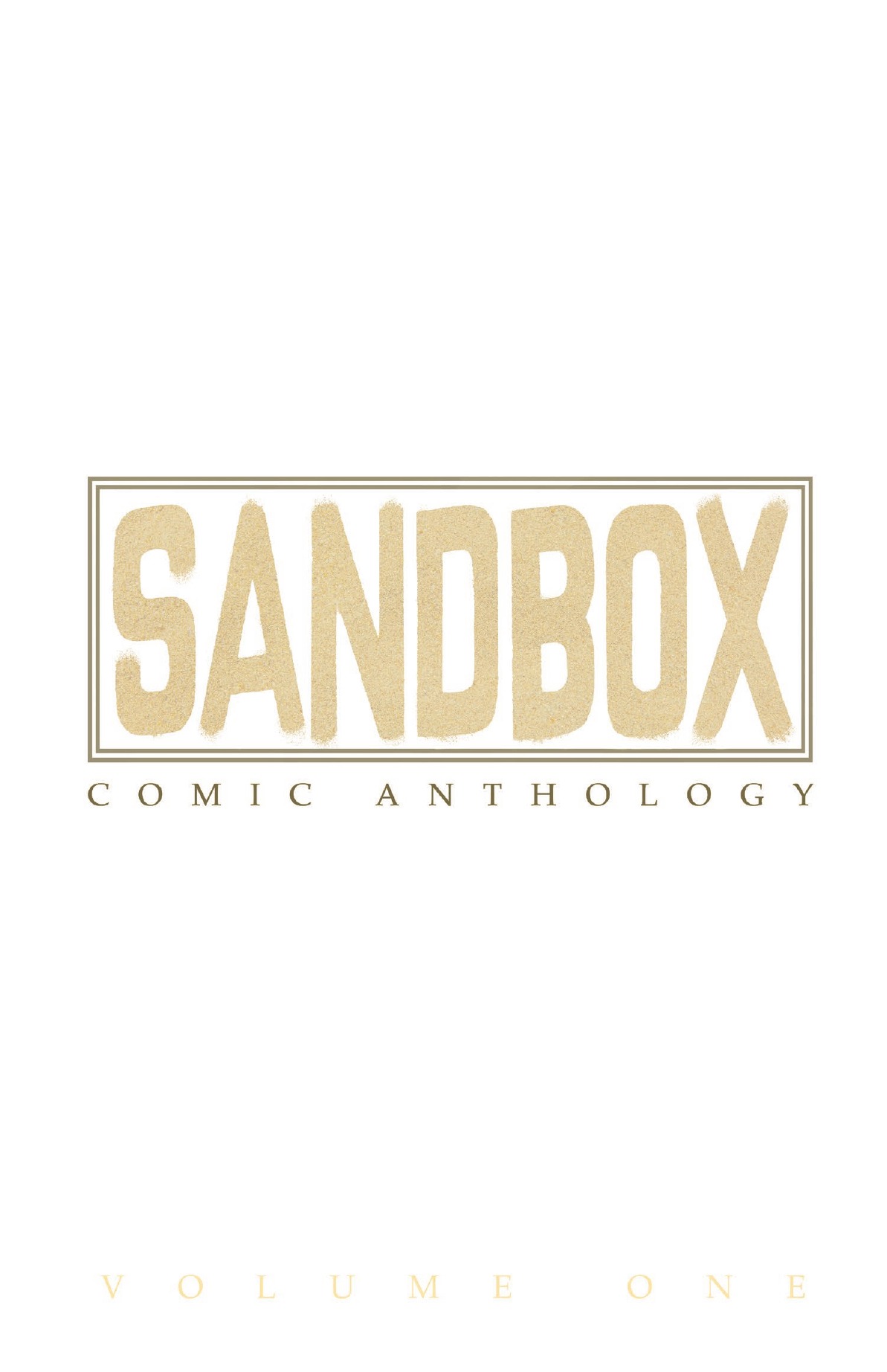
Some anthologies feel like somebody dumped a stack of unrelated short stories onto a table, slapped a cover around them, and called the whole operation a “collection.” Sandbox Comic Anthology comes rolling out of the garage with a much stronger engine. This 232-page, full-color celebration of creator-owned comics gathers 14 professional artists from animation, publishing, and entertainment, then gives them permission to build whatever strange, funny, tender, or thunderous little universe has been rattling around inside their heads. No corporate leash. No committee sanding away the personality. Just talented storytellers grabbing their favorite toys and making a glorious mess. Wepa, now we’re talking!
Edited and art directed by Paul Schoeni, an animation artist whose professional road has taken him through DreamWorks and Warner Bros., Sandbox operates on one beautifully simple principle: talented artists should have somewhere to tell their own stories. That mission matters because many of these contributors spend their careers helping enormous studios and recognizable properties cross the finish line. Here, they finally get to put their names on the vehicle, pick the paint, tune the motor, and floor it without waiting for twelve executives to approve the cupholders. Jake Parker’s thoughtful foreword establishes that creative philosophy immediately, describing the sandbox as a place with both freedom and boundaries. The box gives the work shape, but what gets built inside belongs to the person holding the shovel.
The book opens with Dave Mottram’s “Echoes of the Egg,” a beautifully rendered fantasy yarn about a frog warrior chasing a mysterious egg while battling some extremely irritated roosters. Mottram’s textured linework, earthy palette, and expressive creature acting make the story feel like an illustrated folktale that suddenly learned kung fu. The action reads cleanly, the visual comedy lands, and the protagonist communicates enormous personality through posture alone. It is a smart opening lap because it announces the anthology’s intentions without delivering a corporate mission statement in a necktie: craftsmanship can be playful, all-ages storytelling does not need to be visually timid, and a frog swinging around poultry can absolutely look like high art.

From there, the collection starts changing gears. Robb Mommaerts’ “The Pizza Party” detonates across the page with crowded fantasy environments, elastic character work, wild creatures, and enough food-fueled chaos to make a New York pizza shop shut its doors and call its insurance company. Chelsea Trousdale’s “Tanglewood” slows the RPM for a warm, visually gentle story rooted in childhood exploration, friendship, and the wonder hiding beyond an ordinary backyard. Shaun Bryant’s “Baba & Corvi” brings a sharper, more graphic approach, throwing mischievous characters into a supernatural chase loaded with big shapes, exaggerated movement, and punchy color. The stories do not resemble each other, yet they share an unmistakable sense of artists making the comics they would have hunted for as kids.
Sebastian Westberg’s “How I Met the Secret Cat” is one of the book’s most endearing stretches. Its loose, handcrafted pages capture the nervous excitement of childhood discovery without polishing away the emotional awkwardness that makes the experience believable. The story understands a basic truth that grown-ups conveniently forget: when you are young, finding an unusual animal in the woods does not feel like a small afternoon adventure. It feels like uncovering government secrets, discovering a new planet, and becoming the chosen guardian of the universe before dinner. Westberg’s panel rhythm gives the characters room to hesitate, react, and bond, while the simple black cat design turns two glowing eyes into a tiny beacon of mystery.
Brian Harold Taylor’s “Samurai Squatch” swings toward comedic action, pairing a kid with a surprisingly disciplined Bigfoot warrior. Tatiana Kholopenko’s “The Unicorn” uses bright colors, broad expressions, and social comedy to explore the gulf between the magical companion somebody imagines and the stubborn creature they actually receive. These stories are built for younger readers, but they do not talk down to them. There is a difference, fam. Children can detect phony sweetness faster than adults detect a parking ticket on the windshield. Sandbox generally avoids that trap by trusting personality, timing, and visual humor instead of forcing every story to stop and deliver a laminated life lesson.
Otis Frampton’s “The Mighty Yooball” drops the anthology into an expansive science-fiction landscape and immediately feels like the opening chapter of a much larger animated adventure. Frampton understands cinematic staging, especially when using scale. Tiny travelers cross enormous alien terrain, strange creatures crowd the horizon, and quiet establishing panels sell the size of the world before the jokes and danger kick in. The story has swagger, but its emotional engine comes from the idea that seemingly insignificant actions can trigger massive consequences. Small things can make big changes, a theme that fits the entire anthology like a custom racing glove.

Gustavo Duarte’s “10-26” shifts into almost wordless physical storytelling, stripping the experience down to composition, motion, facial reaction, and comic timing. Duarte makes sequential storytelling look effortless, which is usually proof that an artist worked like a maniac behind the curtain. A large figure, a tiny companion, an apartment building, and a series of escalating complications become an exercise in pure visual communication. No dialogue crutch. No narration explaining what our eyes already understand. The blocking, silhouettes, and page turns carry the entire ride, making “10-26” one of the clearest examples of why comics remain their own magnificent language.
Hedvig H-S brings a buoyant, storybook sensibility to “Learning Magic,” while Schoeni’s own “Cattywampus Adventures” has the snap and readability of a polished animated series waiting for somebody to wise up and greenlight it. Schoeni knows how to stage action without cluttering the road. The characters have instantly recognizable silhouettes, the color choices separate figures cleanly from their environments, and the expressive acting keeps the comedy alive even when the panels start moving fast. Vampus and Cat possess the chemistry of characters who can support far more than one adventure, which makes the story’s continuation tease feel earned instead of promotional.
Steve MacLeod’s “Gnome Place Like Home” changes the texture again with softer, atmospheric artwork and an understated suburban premise. Rafael Sam’s “The Battle on Plate Island” then punches the accelerator through the floor. Food-themed warriors, vegetable fighters, giant monsters, and sharply choreographed fantasy combat should be ridiculous, and it is ridiculous, but it is also delivered with genuine visual conviction. Sam draws the action like these produce-aisle gladiators are fighting for the fate of civilization. That commitment sells every bizarre detail. Watermelon Joe, Broccolee, and Tomatroll may sound like characters dreamed up during a grocery run after three energy drinks, yet the dynamic framing and vibrant color make the showdown pop like a Saturday-morning cartoon with a blockbuster budget.

Kesh’s “The Shadow Within” closes the main fiction section with the anthology’s darkest and most dramatic visual register. Deep blues, electric magentas, sharp red accents, and shadow-heavy action create an atmosphere that feels larger, stranger, and more dangerous than anything preceding it. The placement is clever. After pages of comedy, wonder, and playful adventure, Kesh sends the collection across the finish line with magical combat and emotional tension. The tonal shift is substantial, but it proves just how wide this particular sandbox can stretch without cracking its frame.
Anthologies naturally come with unevenness. Some stories feel like complete short films, while others function more like pilots, character showcases, or opening chapters built to spark future adventures. A few transitions are abrupt enough to make the transmission bark, and readers looking for one continuous narrative may need time to adjust to the constant stylistic lane changes. The all-ages target also means certain stories skew younger than others. None of those qualities break the book. They are part of the format’s personality. What matters is whether every contribution delivers a distinct reason to exist, and Sandbox clears that checkpoint with room to spare.
The behind-the-scenes section gives the collection extra value instead of padding the page count with filler. Early character designs, thumbnails, rough layouts, pencils, inks, color studies, environment work, and page progressions reveal how these artists convert loose ideas into finished sequential storytelling. Young creators can study those pages and see that polished comics do not emerge fully assembled from some magical drawing tablet. They begin with uncertain sketches, revised compositions, abandoned shapes, scribbled notes, and creative decisions stacked one over another. Even experienced readers will gain a stronger appreciation for how dramatically layout, lighting, balloon placement, and color can change a page’s velocity.
What makes Sandbox Comic Anthology special is not merely that its contributors have worked with Disney, DreamWorks, Netflix, Marvel, Warner Bros., Scholastic, Image Comics, and other major companies. Those credentials establish professional horsepower, sure, but résumés do not automatically produce soul. The winning ingredient is watching accomplished artists reclaim the exhilaration of making something that belongs to them. Every story carries fingerprints. Every visual turn introduces another artistic temperament. Even when the book gets weird, and trust me, it gets wonderfully weird, the craftsmanship keeps the wheels planted.
Sandbox Comic Anthology is colorful, generous, beautifully assembled, and bursting with future potential. Parents can hand it to younger readers without worrying that “all ages” means bland oatmeal, while adult comic fans can appreciate the visual storytelling, production craft, and independent spirit firing beneath the hood. Aspiring creators may get the biggest boost of all because this book does not merely tell them to use their imagination. It shows 14 professionals doing exactly that, one page, one experiment, and one gloriously personal world at a time.
The sandbox is officially open, Crusaders. Jump in, get your hands dirty, and see what these creators built.
CRUSADERS SCORES:
4.5/5
Editor and Art Director: Paul Schoeni
Assistant Editor: Ashlyn Schoeni
Foreword: Jake Parker
Softcover Edition Cover Artist: Chelsea Trousdale
Hardcover Edition Cover Artist: Cory Loftis
Publisher: Sandbox Comics, LLC
Leave a Reply
You must be logged in to post a comment.