
Spawn #376 Review: Matthew Rosenberg Ignites a Gritty New Era
·Al Mega
Spawn #376 comes in like a smoke alarm screaming at 3 a.m. in a busted Brooklyn hallway, and instead of asking politely for your attention, it kicks the door open with hellfire, grief, street-level confusion, and a whole lot of “yo, what did the world become while nobody was looking?” energy. Matthew Rosenberg steps into the Spawn universe with a bold move: he doesn’t just hand us a cape-swinging rage monster from panel one and call it a day. Nah. He slows the camera down, points it at the block, and asks a much more interesting question: what happens to regular people when gods, devils, angels, monsters, and legends stop being campfire stories and start ruining rent, schools, jobs, families, and whole neighborhoods?
That’s where this issue really finds its sauce. The story opens in the Bowery with a body burning in the street and people reacting the way real New Yorkers react when madness hits the pavement: some panic, some record, some complain, some keep moving because the bills don’t stop just because Hell RSVP’d to the block party. Rosenberg uses that grounded chaos beautifully. The world of Spawn has always had apocalyptic flavor, but this issue makes the apocalypse feel local. It’s not just Heaven and Hell. It’s the meat shop. It’s a kid trying to figure out if school still matters. It’s a neighborhood where “Spawn is dead” gets sprayed on the wall like urban scripture. That’s heavy. That’s grimy. That’s good comic book storytelling with boots on the concrete.
What Rosenberg does smartly is treat Spawn less like a superhero and more like a rumor with consequences. To some people, he’s a protector. To others, he’s a devil. To others, he’s a ghost story with chains. That’s the magic of this issue. Spawn barely needs to explain himself because the city is already doing it for him. The myth is alive even when the man is missing, wounded, misunderstood, or presumed gone. That gives Spawn a strong “new era” feeling without disrespecting the big, gothic, bloody legacy that made the character a monster icon in the first place. It’s not a reboot with clean sneakers. It’s a relaunch walking through broken glass.
Miles Cerini becomes the heart of this chapter, and that choice works. Through Miles, the book captures what it feels like to be young in a world where adults are just as lost as the kids. His scenes in the butcher shop with Mr. Jones and Mingus bring warmth, sarcasm, fear, frustration, and that everyday survival rhythm. Everybody is trying to keep something alive: a business, a family, a reputation, a memory, a city. That human texture gives the supernatural madness more weight. When the issue shifts from neighborhood whispers to full-blown catastrophe, it hits harder because we’ve spent time with people who are not built for cosmic war. They’re built for work shifts, bad grades, family arguments, and trying to get home in one piece. Then boom—hellish disaster crashes through the city like somebody dropped a nightmare off the BQE.
Stephen Segovia’s art is the big visual engine here, and let me say it plainly: the man understood the assignment and brought extra credit. The issue has that sharp, moody, cinematic grit that Spawn needs, but it also has emotional clarity. The faces matter. The fear matters. Miles doesn’t just look scared; he looks like a kid whose brain is trying to process something too big for his age, his block, and his entire idea of reality. Segovia balances the supernatural and the mundane really well. A burning man in the street feels horrific, but a quiet diner scene feels just as important. That’s not easy. A lot of artists can draw monsters. Fewer can make the silence before the monster feel dangerous.
Robert Nugent’s colors give the book its weather system. The sickly greens, cold blues, dirty yellows, snowy whites, and hellfire oranges all work together like mood music from a haunted subway platform. The color palette keeps reminding you that this city is injured. Even daylight doesn’t feel clean. The snowy sequences are especially strong because they make the world feel cold, abandoned, and half-dead before the action even explodes. Then when the supernatural violence lights up the page, it feels like trauma suddenly becoming visible. Big Wepa energy on that color work, because it’s not just pretty. It’s storytelling.
Tom Orzechowski’s lettering remains a crucial part of the Spawn identity, and this issue benefits from that seasoned control. The dialogue flows cleanly through pages that could have easily become crowded, especially during the news/interview structure and the heavier world-building moments. The sound effects hit when they need to hit. The “SLAM,” “CRASH,” and explosive page moments carry that old-school comic book thunder without feeling dusty. It’s classic craft with modern pacing. Respect due.
Now, let’s keep it constructive because we don’t do fake hype over here. The issue is very much a table-setter. Readers coming in expecting Spawn throwing hands on every page may feel like the first half is taking the scenic route through exposition city. There’s a lot of world-status material, news commentary, neighborhood testimony, and emotional architecture before the full mayhem kicks in. Personally, I think it works because Rosenberg is building a foundation, but the pacing may test folks who just want immediate cape-and-chain brutality. That said, when the chaos arrives, it doesn’t tiptoe. It comes in loud, nasty, and cinematic.
The other thing worth noting is that this issue is more interested in Spawn’s absence and legacy than in giving us a traditional “Spawn is mad, Spawn smashes everything” revenge chapter. That is not a flaw, but it is a tonal choice. The solicit promises a beaten, bloodied Spawn pushed into rage, and this issue reframes that anger through the people left living in the blast radius of his legend. That makes the book feel bigger than one fight. It becomes about belief, memory, public fear, and whether a city can recognize a savior when survival itself has become a full-time job with no benefits. That’s a stronger idea than just another alleyway beatdown. Don’t get me wrong, we love an alleyway beatdown. But this one has seasoning.
Spawn is a confident, moody, street-level jump into a new chapter of the Spawn mythos. Rosenberg brings a sharp emotional hook, Segovia delivers visuals with both menace and humanity, Nugent drenches the world in bruised atmosphere, and Orzechowski keeps the rhythm clean and powerful. It’s big without losing the block. It’s supernatural without forgetting the people sweeping glass off the sidewalk. It’s a reminder that Spawn works best when he is not just a character, but a question: angel, demon, weapon, warning, or last bad dude standing between humanity and something worse?
This is the kind of issue that tells readers, “Pay attention, because the board just changed.” It respects the legacy, adds fresh narrative muscle, and gives the Spawn universe a fractured, dangerous, human pulse. Spawn #376 doesn’t just ask if Spawn survived. It asks what his survival costs everybody else. And that, my friends, is where the sauce starts bubbling! WEPAAAAAAAAAAAA….
CRUSADERS SCORE:
4/5
Script/Plot: Matthew Rosenberg
Art: Stephen Segovia
Colors: Robert Nugent
Lettering: Tom Orzechowski
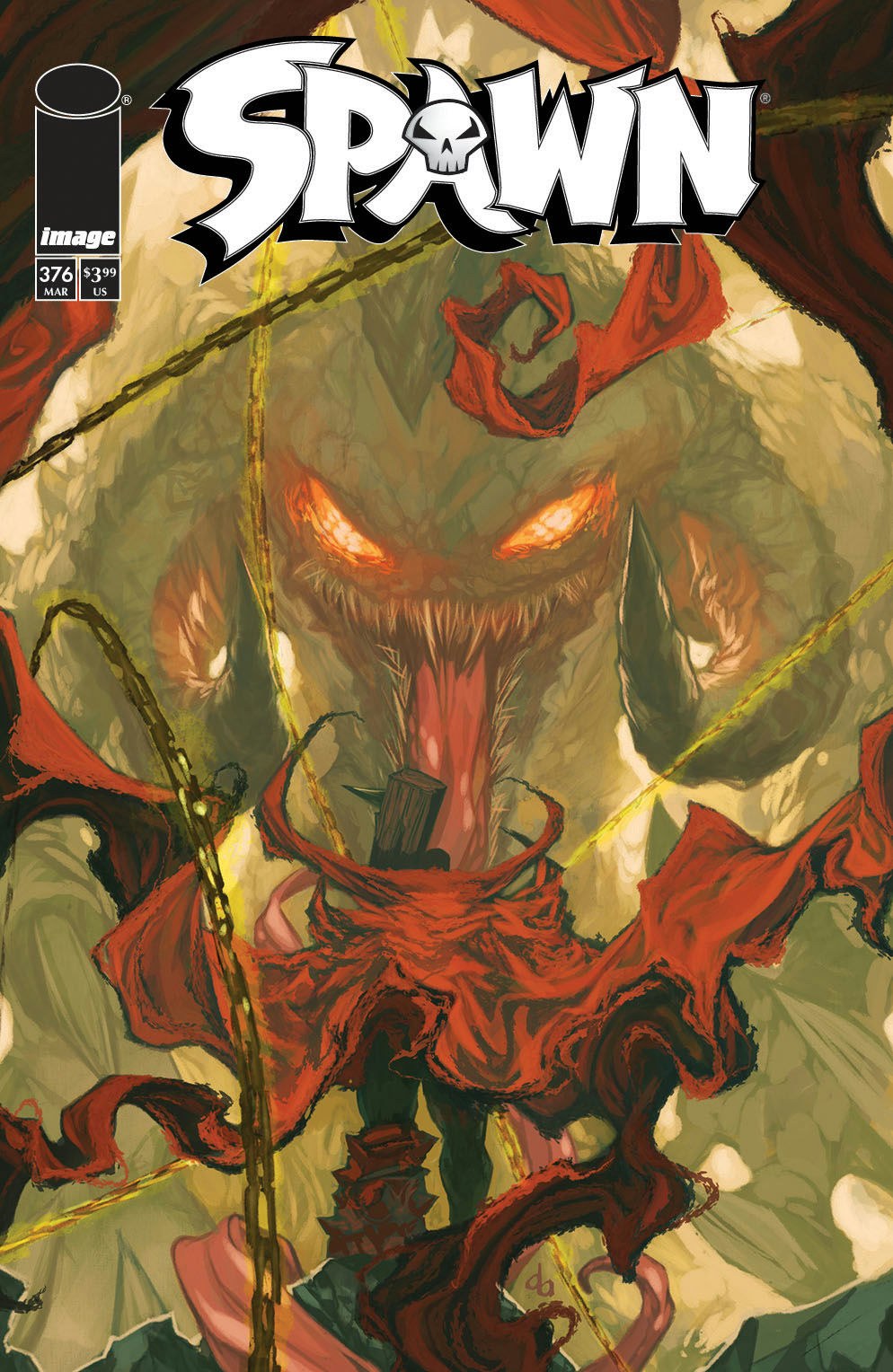
Cover Artist: Don Aguillo — Covers A & B
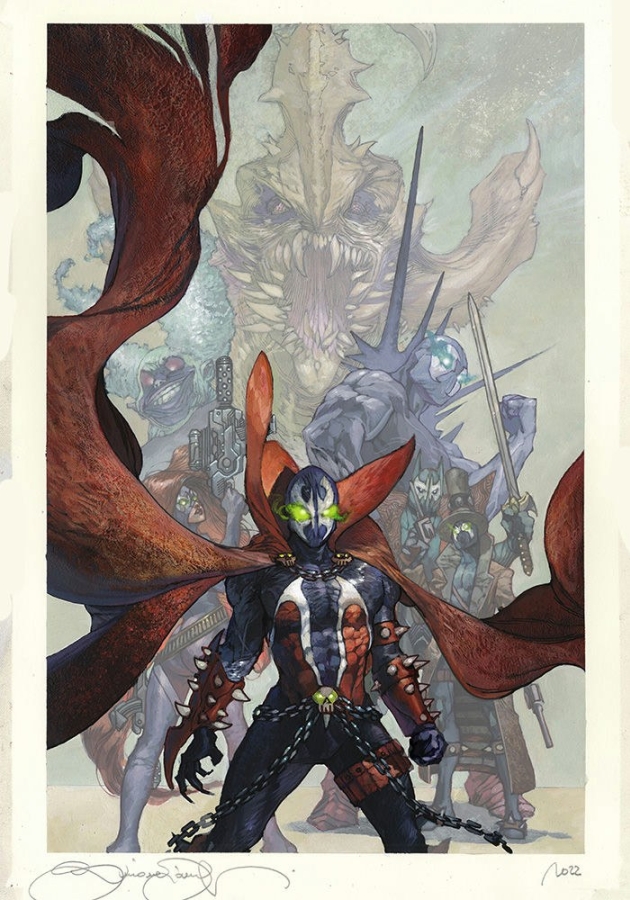
Cover Artist: Simone Bianchi — Cover C
Creative Director: Todd McFarlane
Editor-in-Chief: Thomas Healy
Publisher: Image Comics / Todd McFarlane Productions


Leave a Reply
You must be logged in to post a comment.