
TMNT: Shredder Vol. 1 Review: Oroku Saki Comes Home With Hell in His Head and Steel in His Hands
·Al Mega
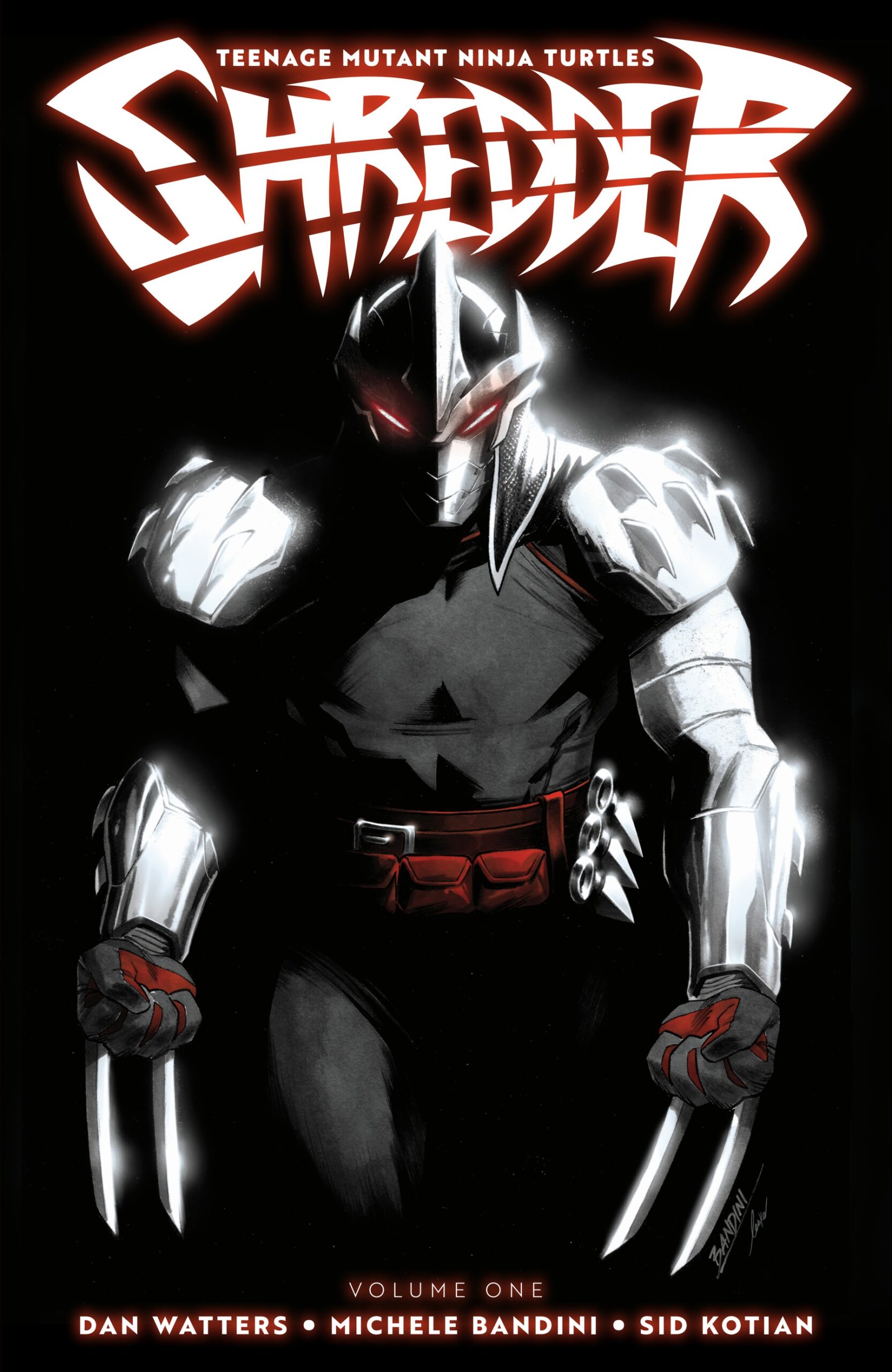
WEPA! Listen, if you thought bringing Shredder back meant dusting off the chrome helmet, firing up the Foot Clan and tossing Oroku Saki into another round of “somebody go whack the Turtles,” Dan Watters said nah, son, we taking the scenic route through Hell first. Teenage Mutant Ninja Turtles: Shredder, Vol. 1 grabs one of the most recognizable villains in comic book history, drags him back onto the streets of New York older, battered, mentally scrambled and carrying enough supernatural trauma to make therapy tap out. This ain’t Shredder strolling into town looking fresh out the Foot Clan catalog. My dude returns looking like life ran him over, backed up, checked the mirrors and ran him over again. Yet underneath the gray hair, ragged clothes and fractured memories sits the same Oroku Saki, and once that engine catches? Everybody around him better move.
Watters opens the throttle slowly, which works beautifully when reading these six issues together. Saki wanders nighttime Brooklyn looking less like the feared master of the Foot and more like somebody’s lost granddad, except Grandpa can still fold a room full of killers with whatever happens to be within grabbing distance. His mind ain’t exactly running premium either. Faces become worms. Reality bends. Memories bleed into the present. Somewhere inside all that psychological wreckage is a man trying to figure out what happened to him, what remains of his legacy and who had the audacity to start moving pieces while the king was off the board. Watters gives Shredder vulnerability without neutering him, sympathy without begging us to forgive him, and purpose without pretending this suddenly makes Oroku Saki a good dude. Big difference. Huge.
From there, the story starts shifting gears. What begins with grimy New York street energy and an almost noir-like criminal investigation eventually takes us through the underworld, Europe, Dimension X business, ancient Foot Clan mythology and the mountains of Japan before bringing everything roaring back toward New York. The person pulling Saki deeper into the mess is the Mourner, one of his former prodigies who has taken pieces of the master’s teachings and built something very nasty from them. That’s where Watters finds the meat on the bone. Shredder isn’t simply chasing another villain. He’s staring at what happens when his influence survives him, mutates without him and starts deciding it doesn’t need the original anymore. For a character built around power, discipline and control, somebody remixing your legacy while you’re presumed dead is basically the ultimate disrespect. Brooklyn translation: somebody moved into your crib, changed the locks and told everybody they own the block now. Oh, we fighting.

Michele Bandini handles issues #1 through #5, and brother, this cat understands how Shredder needs to occupy a comic book page. Even while Saki is weakened, hunched over and disoriented, there’s something dangerous sitting underneath him. Once the armor comes into play and that familiar silhouette returns, Bandini starts shooting the action like somebody mounted a camera to the hood of a speeding car. Low angles. Lunging bodies. Blades cutting across panel boundaries. Characters exploding forward instead of posing around waiting for applause. The fights have weight without becoming muddy, and when Shredder gets moving you can actually follow who attacked, where the counter came from and why somebody is suddenly reconsidering every decision they made that morning. That’s comic-book choreography, mi gente. Pretty splashes are nice, but movement you can read is where the real sauce lives.
Marco Lesko’s colors deserve serious love because the palette practically becomes the transmission for the entire ride. Brooklyn arrives drenched in cold blues and dirty urban teal, criminal spaces sink into bruised greens and golds, supernatural sequences ignite with radioactive purples and magentas, while the Japanese snow material hits with icy whites and blues that make every slash of violence jump off the page. Lesko isn’t just filling Bandini’s lines. He’s telling your eyeballs when the book has changed environments, moods and even realities. Scott Hanna comes aboard for finishes on issues #4 through #6, helping the increasingly wild supernatural material retain texture and weight, while Darran Robinson’s lettering and design work keeps narration, dialogue and sound effects flying without choking the artwork. When Saki’s perception begins folding in on itself, Robinson helps preserve clarity inside the madness. That’s the kind of work readers may not consciously notice until somebody does it badly. Here? Smooth sailing.
Sid Kotian steps in for the sixth and final issue, and yes, you’ll notice the visual handoff. Kotian brings cleaner contours, more elastic expressions and a slightly different flavor to the physicality, but the finale never feels disconnected from what came before. Hanna’s finishes and Lesko’s colors help keep the visual continuity together while Kotian gets to attack the closing chapter with his own energy. I would’ve loved Bandini straight through simply because his version of Saki has such a nasty cinematic presence, but Kotian doesn’t derail the car. He jumps into a machine already doing eighty and keeps that bad boy pointed down the highway.

Then there’s the Shredder redesign by Mateus Santolouco. Fam. Come on. Black tactical material, segmented silver armor, those vicious blades, the red accents and glowing eyes all preserve the classic Shredder DNA without dressing him like he wandered out of a 1990s toy aisle carrying seventeen unnecessary rocket launchers. It’s modern but recognizable. Sleek but brutal. You look at him and immediately know who pulled up. The collected edition even gives Santolouco’s redesign some backmatter love, which is exactly the kind of bonus material I dig in a trade because you get to see the thought underneath the intimidation.
The biggest strength of reading Vol. 1 straight through is how much better the pacing feels as one ride. Individual chapters make some sharp genre turns, especially once Watters moves away from street-level crime and starts digging into Dimension X and Foot mysticism, and readers who prefer Shredder operating strictly in the shadows of New York may feel the steering wheel jerk a little. Collected together, however, those changes play more like escalating checkpoints in Saki’s recovery and revenge tour. Every location strips away another layer of who he thinks he is. Every opponent tests a different part of his mythology. By the time the story swings back home, you’ve watched a broken man rebuild himself into something frighteningly familiar without ever completely becoming the Shredder who disappeared.
Newer TMNT readers can absolutely ride along because Watters gives you enough information to understand the immediate stakes, although longtime IDW readers and anybody familiar with Saki’s stranger history will catch considerably more under the hood. Previous lore adds weight, especially when the book starts messing with resurrection, mysticism, past allegiances and the question of what Oroku Saki actually brought back with him. Thankfully, Watters doesn’t bury the story beneath continuity homework. You don’t need seventeen browser tabs open beside you. The central mission stays clean: Shredder is back, somebody has weaponized his legacy, powerful people think they can manipulate him, and nearly everybody involved has underestimated how dangerous a pissed-off Oroku Saki remains.

What surprised me most is how little this book cares about making Shredder likable. GOOD. Keep that seasoning right there. Watters makes him compelling instead. There’s arrogance, pain, honor, hypocrisy, rage and even moments of strange introspection bouncing around inside a man who has spent lifetimes turning violence into doctrine. He isn’t suddenly hugging puppies because he’s headlining his own title. He’ll cooperate when interests align, hear somebody out when necessary and even expose flashes of humanity, but the blade remains the final punctuation mark in most of his conversations. Shredder works because he still feels capable of becoming the worst person in any room at a moment’s notice.
Teenage Mutant Ninja Turtles: Shredder, Vol. 1 is exactly what a villain-led spin-off should do. It expands the character instead of sanitizing him, explores corners of the TMNT universe without turning into continuity soup, gives the visual team plenty of opportunities to go buck wild, and leaves Oroku Saki more fascinating than when the story began. A couple genre gear changes come hard, and the artist switch during the finale is noticeable, but neither problem knocks this ride off course. Watters and company have taken one of TMNT’s oldest icons, scraped the rust off, poured something radioactive into the tank and sent him screaming back toward New York.
Shredder didn’t come home looking for redemption. He came back for his name. And somebody better tell the Mourner the owner wants his keys back.
CRUSADERS SCORE
4/5
Written by Dan Watters.
Art by Michele Bandini on #1 through #5 and Sid Kotian on #6,
Finishes by Scott Hanna on #4 through #6,
Colors by Marco Lesko,
Lettering and design by Darran Robinson,
Shredder redesign by Mateus Santolouco.
Publisher: IDW Publishing


Leave a Reply
You must be logged in to post a comment.