
Numbered, Painted, One of a Kind: TF2 Items as Collectibles
·Eva Quinn
“Team Fortress 2 items carry serial numbers, paint and a chain of previous owners. The collecting logic will look familiar to anyone who buys variant covers.”
There is a hat in Team Fortress 2 with a number printed on it, and that number is worth more than everything else about the hat put together. Not the design, not the rarity tier, not the class it belongs to. The number.
If that sounds familiar, it should. Anyone who has held a first printing next to a third printing of the same book, with the same story and the same art inside, already understands the whole system. The object is identical. The provenance is not.
A rundown of the most expensive TF2 items makes the pattern visible before we get into the why: the entries that command the most are rarely the best looking ones.
None of this is a closed shop, incidentally. Items move by exchange rather than by chance, and platforms like SkinsMonkey hold stock of their own across Team Fortress 2, CS2 and Rust, which closes an exchange in a couple of minutes instead of leaving it to a stranger’s reply. The barrier to entry is understanding what you are looking at, which is the rest of this piece.
The serial number does the same job as a print run
Certain Team Fortress 2 hats carry a visible serial, recorded when the item was created. Low numbers came into existence first. That is all the number says, and it is enough to separate two otherwise indistinguishable items by an order of magnitude in what people will trade for them.
Collectors of physical books arrived at the same arrangement decades earlier, and for the same reason. Scarcity you can verify beats scarcity you are told about. A serial cannot be reprinted, and neither can a first printing.
It is worth being precise about what the number does and does not mean, because this trips up newcomers constantly. A low serial says nothing about quality, nothing about how the item looks, and nothing about how many exist in total. It records position in a queue. The entire premium rests on the fact that the queue happened once and cannot be re-run, which is a thinner foundation than most people assume and has held up better than most people expected.
Paint made cosmetics into a craft
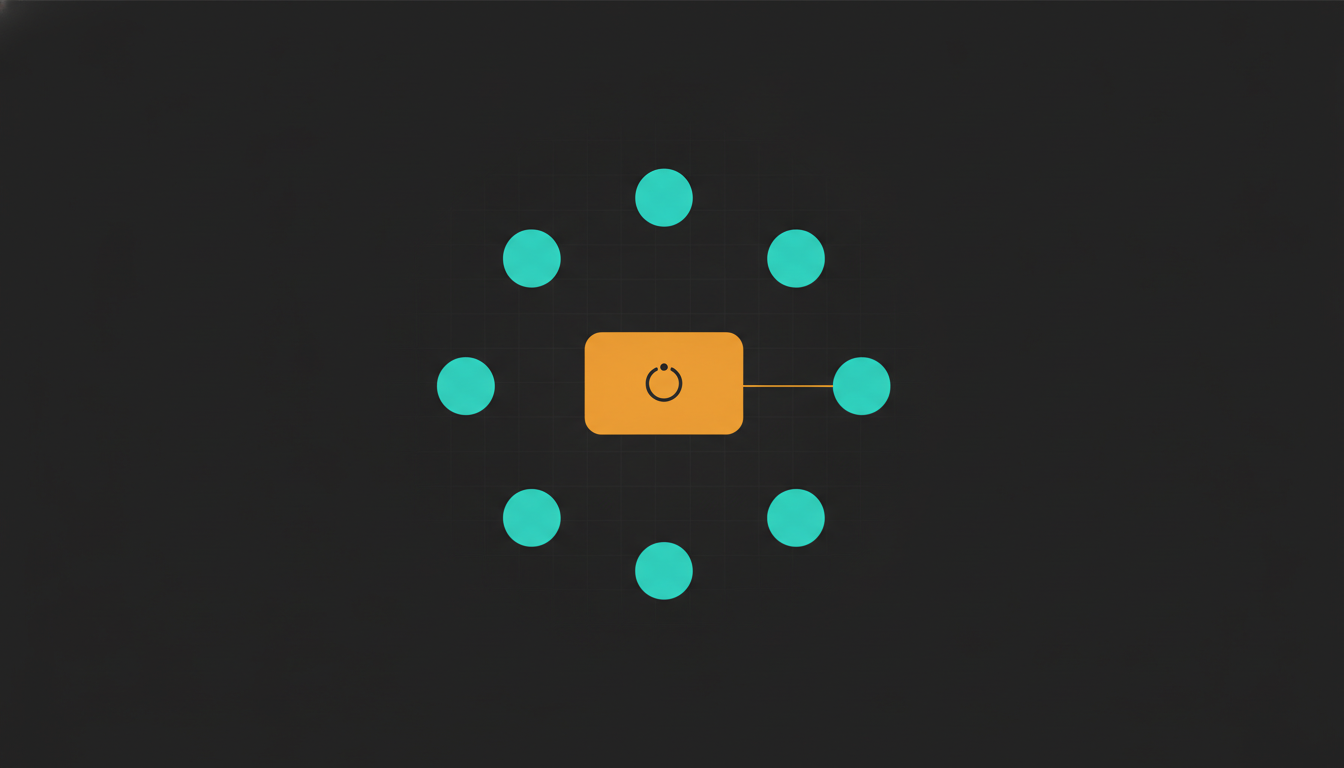 One item linked to a single chosen colour out of six available options
Team Fortress 2 let players colour their hats. That one decision turned a catalogue of items into a set of combinations, and combinations are where collecting gets interesting.
A particular paint on a particular hat produces something that was not designed by anyone at the studio. It was assembled by a player, and if the paint is one of the harder ones to obtain, the result is effectively a small edition of one. The comic-collecting parallel is the sketch cover: a blank canvas that becomes unique once somebody works on it.
The difference is that a painted hat can be unpainted, which makes the surviving combinations a matter of decisions rather than of survival. Nothing decayed. Somebody simply chose not to change it.
That reversibility has an odd effect on value. In physical collecting, condition is a one-way street: a book that was read is a book that was read. Here the object can be returned to stock condition at any point, so what people are paying for is the arrangement, held in place by someone’s ongoing preference for it. It is closer to a curated shelf than to a graded slab.
Provenance travels with the item
Trading in Team Fortress 2 left a record. An item that passed through a well-known player’s inventory is the same item afterwards, except that it is not, in the way that matters to the people buying it.
This is the part of the hobby that translates least well to outsiders and most exactly to anyone who has bought a signed book. The signature adds nothing to the reading experience. It adds everything to the object.
Where the parallel breaks is verification. A signature on a cover needs a certificate and a chain of custody that somebody has to trust. An item’s trading history sits in a system that recorded it automatically, which makes provenance in this corner of collecting unusually cheap to confirm and unusually hard to fake.
Why the market outlived the game’s peak
Team Fortress 2 is not the game it was, and the item economy carried on anyway. The usual explanation is nostalgia. A better one is that the supply stopped changing.
Once new items stop arriving in volume, an inventory becomes a fixed population that can only shrink through abandoned accounts. Interest may fall, but the counting stays honest, and a collecting market built on verifiable scarcity survives a drop in attention better than one built on hype.
One rule shapes how any of this gets assembled in practice. Anything that arrives through a trade is immovable for a week. That is Steam’s constraint rather than any platform’s, it cannot be waived, and it means a collection gets rearranged over weeks rather than in an evening. Collectors who came from physical media tend to find this entirely reasonable, having waited longer for worse.
What a comics reader already knows
The instinct that tells you a slabbed 9.8 is worth more than a reading copy of the same issue is the instinct that governs this entire market. Condition, printing, provenance, edition size.
Team Fortress 2 got there by accident, through a series of features added for other reasons over more than a decade. It ended up with a collecting culture that a longbox owner could read the rules of in about five minutes, which is either a compliment to the game or to the longbox owner. Probably both.
Leave a Reply
You must be logged in to post a comment.