

Why Modern Comics Are Telling More Human and Emotionally Complex Stories
·Juan James
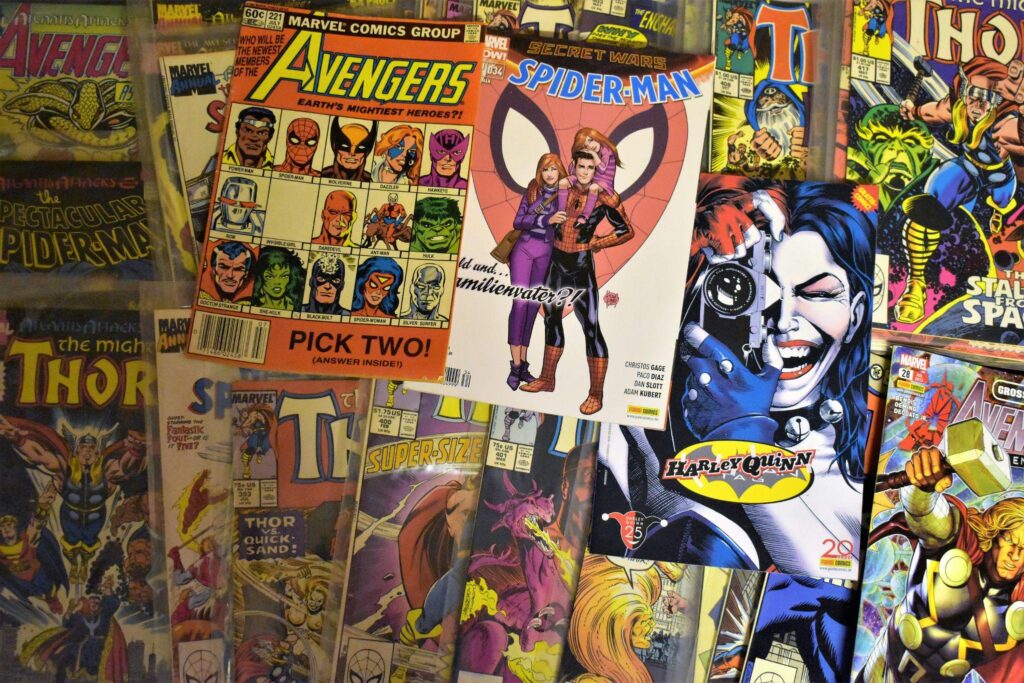
Comic books have long been associated with superheroes, spectacular battles, and extraordinary adventures. While these elements remain important, contemporary comics increasingly explore experiences that feel much closer to everyday life. Relationships, personal insecurities, family responsibilities, emotional struggles, and changing identities have become central themes in stories that once relied primarily on action and fantasy.
This shift reflects a growing recognition that illustrated storytelling can communicate complicated human experiences with remarkable depth. Through expressive artwork, carefully constructed dialogue, and imaginative visual techniques, comic creators can explore emotions that are sometimes difficult to capture through words alone.
Modern readers are also looking for characters who feel believable, even when their circumstances are extraordinary. As a result, many comics now place emotional development alongside traditional storytelling elements, creating narratives that encourage audiences to understand characters rather than simply admire their abilities.
Everyday Choices Are Becoming Part of Character Development
One reason modern comics feel more relatable is their willingness to explore ordinary decisions alongside dramatic events. Characters are increasingly portrayed as individuals with personal preferences, complicated routines, and imperfect ways of managing everyday responsibilities.
Instead of presenting every protagonist as endlessly confident or emotionally resilient, writers explore how people respond to uncertainty, social expectations, and personal change. These details make fictional characters more recognizable because their experiences reflect situations audiences understand.
Contemporary lifestyle choices can also provide opportunities for characterization. For example, discussions surrounding products such as the best microdose thc gummies reflect a broader cultural conversation about cannabis, recreational consumption, personal preferences, and changing social attitudes. Adult-oriented comics can examine these subjects through believable characters and their relationships rather than treating them as simple symbols of rebellion.
Such storytelling doesn’t need to endorse particular behaviors. Instead, it can explore how choices are shaped by circumstances, cultural expectations, and individual motivations.
By incorporating recognizable aspects of contemporary life, comics create characters whose struggles extend beyond defeating villains or overcoming physical obstacles. Their decisions carry emotional meaning because readers can understand the reasoning and consequences behind them.
Exploring Body Image, Motherhood, and Personal Identity
Physical appearance has traditionally played a prominent role in comic book storytelling. Superheroes are frequently depicted with exaggerated proportions, flawless physiques, and bodies that remain largely unchanged regardless of their experiences.
Modern graphic narratives increasingly challenge these conventions by depicting aging, pregnancy, disability, illness, and other physical realities. These portrayals can make characters feel more authentic while opening conversations about identity and self-acceptance.
Motherhood offers a particularly meaningful opportunity for this kind of storytelling. Pregnancy and childbirth can introduce major emotional and physical changes, yet these experiences have historically received limited attention in mainstream action-oriented comics.
Visible changes such as postpatum stretch marks can become meaningful details in illustrations exploring the realities of life after childbirth. Stretch marks are common physical changes associated with skin stretching, and depicting them can contribute to more realistic representations of postpartum bodies.
For a character experiencing motherhood, these details may accompany broader questions about confidence, personal identity, family expectations, and changing relationships.
Visual storytelling is especially suited to this subject because artists can communicate feelings through posture, facial expressions, clothing, and subtle physical details.
Rather than presenting physical differences as flaws that characters must overcome, emotionally mature comics can portray them as ordinary parts of human experience.
Superheroes Are Becoming More Emotionally Vulnerable
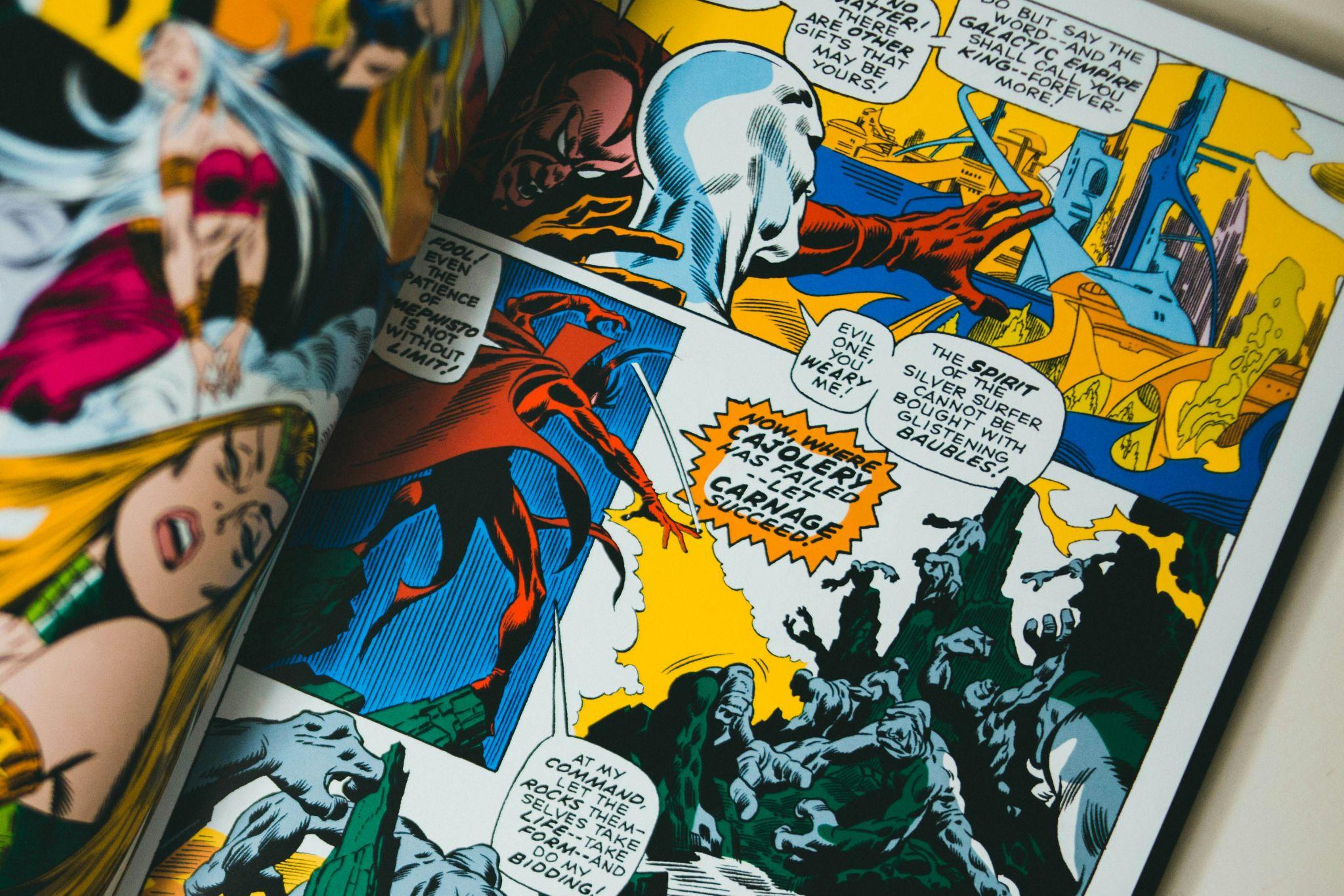
Photo by Jonathan Cooper on Unsplash
Traditional superhero stories often emphasized courage, strength, and moral certainty. Heroes faced difficult situations, but their emotional responses sometimes received less attention than their physical achievements.
Contemporary interpretations increasingly examine the psychological consequences of extraordinary responsibilities. Characters may struggle with guilt, grief, loneliness, or the difficulty of maintaining relationships while protecting others.
This development doesn’t necessarily weaken heroic characters. On the contrary, emotional vulnerability can make their achievements more meaningful.
A superhero who experiences fear but still chooses to help others demonstrates courage differently from someone who appears completely unaffected by danger.
Relationships also become more important within these narratives. Friendships, romantic partnerships, and family connections can influence decisions just as strongly as external threats.
These emotional dimensions create opportunities for long-term character development, allowing readers to follow how individuals change through their experiences rather than returning to the same personality after every adventure.
Graphic Memoirs Are Expanding the Boundaries of Comics
The increasing popularity of graphic memoirs has helped establish comics as a medium capable of examining serious personal and historical experiences.
Unlike traditional fictional adventures, graphic memoirs use illustrated narratives to explore events from an author’s life. Subjects may include childhood memories, cultural identity, difficult family relationships, political conflict, and experiences of loss.
These stories frequently depend on emotional honesty rather than dramatic spectacle. Their illustrations allow authors to communicate memories, perspectives, and contradictions that might be difficult to convey through conventional narration.
Visual metaphors are particularly effective. Changes in scale, color, panel composition, or artistic style can express emotional states without lengthy explanations.
Graphic memoirs have also encouraged readers who previously associated comics exclusively with entertainment to recognize their potential as a serious storytelling format.
Diverse Perspectives Are Changing the Stories Being Told
As comics reach wider audiences, creators are exploring a broader range of cultural backgrounds, family structures, identities, and lived experiences.
This diversity allows familiar themes to be examined from different perspectives. Stories about belonging, ambition, responsibility, or personal freedom can take on new meanings depending on the characters and communities involved.
Independent comics and digital publishing platforms have helped creators reach audiences without always depending on traditional publishing channels. This has created additional opportunities for unconventional stories and artistic experimentation.
Diversity also influences character relationships. Rather than relying on predictable heroes and villains, writers can explore conflicting motivations and situations where different perspectives contain understandable concerns.
These narratives encourage readers to consider experiences outside their own while recognizing shared emotions such as hope, uncertainty, and the desire for acceptance.
Why Emotional Storytelling Gives Comics Lasting Appeal
The growing emphasis on emotional complexity doesn’t mean that comics are abandoning fantasy, humor, or action. Instead, creators are finding ways to combine imaginative storytelling with recognizable human experiences.
A spectacular battle becomes more engaging when readers understand what a character stands to lose. A quiet conversation can carry considerable weight when it reveals unresolved tensions or meaningful personal growth.
Illustration adds another dimension to these moments. A carefully arranged sequence of panels can slow down time, emphasize silence, or communicate emotional distance between characters.
Ultimately, emotionally complex storytelling makes comics appealing beyond any particular genre. Whether the setting involves superheroes, everyday family life, or historical events, readers can connect with characters whose experiences feel sincere.
As the medium continues to evolve, its greatest strength may be the ability to combine extraordinary visual imagination with deeply ordinary human emotions. That combination allows comics to entertain while also encouraging empathy, reflection, and a richer understanding of the lives portrayed on their pages.


Leave a Reply
You must be logged in to post a comment.