

RESIDENT EVIL JUST CRUSHED THE BOX OFFICE WITH A FRANCHISE-RECORD $60 MILLION OPENING, AND IT DID IT WITHOUT LEON OR JILL!
·Gabriel Mateo
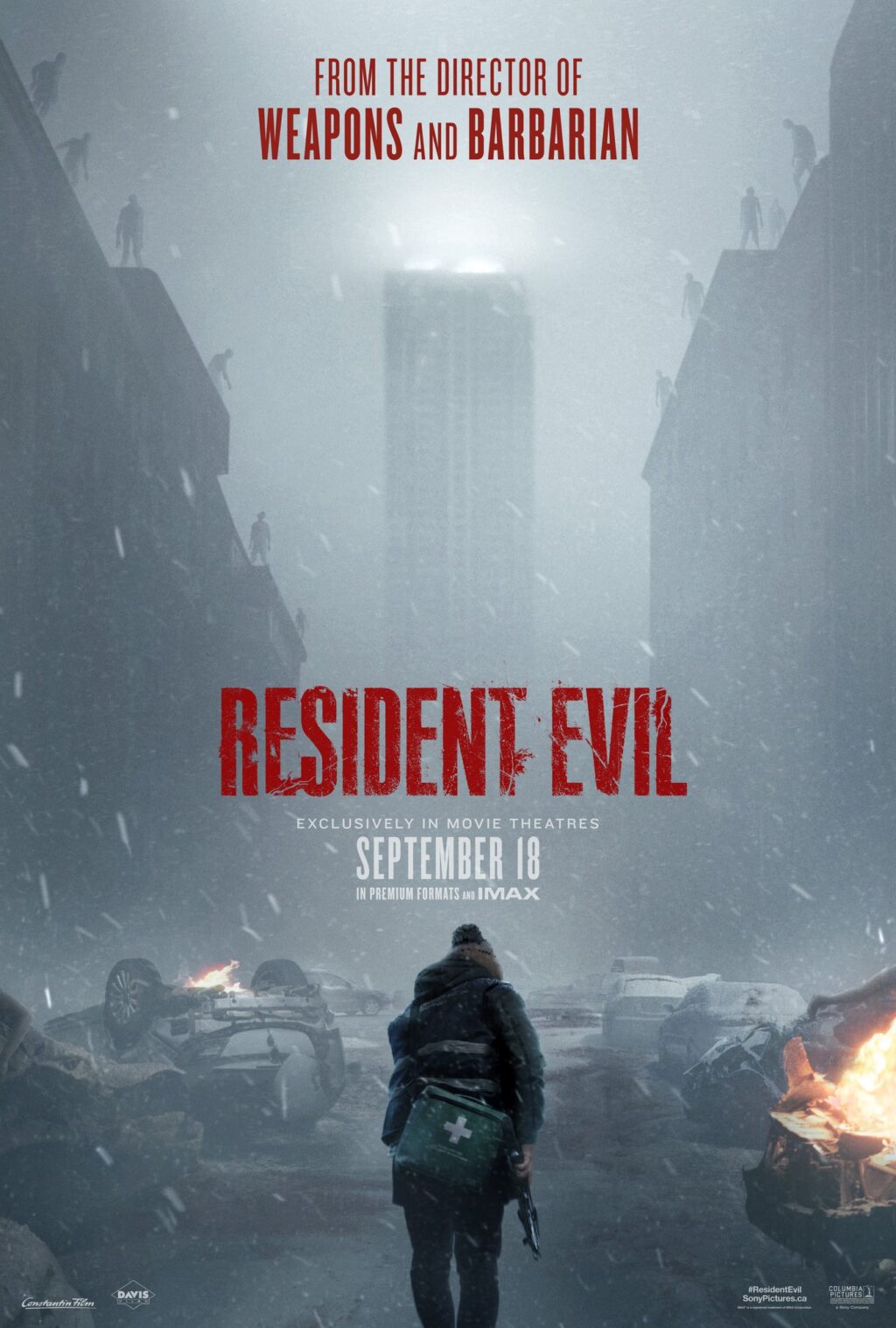
Zach Cregger’s Resident Evil just did something this franchise has never done before: it opened to an estimated $60 million domestically.
That is a franchise record, and the worldwide launch climbed to approximately $108.3 million. For a rated-R reboot built around a new protagonist instead of leaning on Leon Kennedy, Jill Valentine, Chris Redfield or Alice, that is a serious statement. The easy headline is that video-game movies are hot. The more useful conversation is why this one connected. Cregger did not simply photocopy a game plot, drag familiar characters through it and hope nostalgia handled the rest. He built a survival-horror movie around the pressure that made the games work in the first place.
According to The Associated Press, Resident Evil led the North American box office with an estimated $60 million from 3,700 theaters. Boxoffice Pro reported an additional $48.3 million internationally, putting the global opening at $108.3 million. Those numbers matter because this series has spent years trying to figure out what audiences actually want from a live-action Resident Evil movie. The Paul W.S. Anderson films became their own action-horror universe. Welcome to Raccoon City pushed harder toward game imagery, but recognition alone did not create a satisfying film.
Cregger took a risk in the opposite direction. Austin Abrams plays Bryan, a medical courier trapped in and around Raccoon City as one terrible night keeps getting worse. The setup is original, but the rhythm is unmistakably Resident Evil: limited information, shrinking options, hostile spaces and the feeling that every door may be the wrong door. Gamers have been trained to hear “faithful adaptation” and expect screenshots recreated with actors. That can be fun, but accuracy is not the same thing as understanding. A good adaptation has to identify the game’s design language and rebuild it for another medium. In Resident Evil, that means isolation, resource anxiety, environmental storytelling and escalating biological horror. A movie cannot hand the audience a controller, but it can reproduce the tension of moving forward when every instinct tells you to save ammo and turn around.
Cregger told The Guardian that his approach was shaped by the games’ experience rather than a checklist of recognizable characters. That choice is all over the film’s commercial pitch. Sony sold the threat, the atmosphere and Cregger’s horror credibility. It did not pretend that a surprise cameo was the entire reason to buy a ticket. Studios still get nervous whenever a large genre property carries an R rating. The assumption is that a restricted audience automatically limits the ceiling, especially with younger gamers in the mix.
This opening punches a clean hole through that fear. The rating gave the filmmakers room to make the infected dangerous and the violence consequential. More importantly, it told horror audiences the movie was not embarrassed by its own material. TheWrap noted that the debut surpassed every prior domestic opening in the franchise. That does not mean every future video-game adaptation needs extra blood and an R rating. It means the rating should serve the property instead of being treated as a spreadsheet superstition.
The old model was brutal: buy a recognizable title, flatten its personality, then act confused when gamers rejected it. That era produced movies that treated the source material like packaging. The newer wins have been more specific. The Last of Us understood character and consequence. Fallout captured a world and its cruelty without retelling one game. Super Mario Bros. embraced the iconography and movement of Nintendo’s universe. Now Resident Evil has shown that a film can use new characters while remaining faithful to how the games feel.
That’s the key, and developers and studios should pay attention. Fans are not demanding a two-hour cutscene. They want evidence that the filmmakers understand why people cared before Hollywood arrived. A $60 million debut is FUEGO, but opening weekend is only the first checkpoint. Horror films can drop hard, fan-heavy properties can front-load and strong marketing can produce curiosity that does not survive word of mouth.
The film now needs legs. Audience response, the second-weekend decline and international performance will determine whether this is merely a record launch or the foundation for a durable new series. There is also the inevitable franchise question. Sony, Constantin Film and Capcom now know audiences will show up for a Resident Evil story without the usual heroes carrying the marketing. The smartest move is not to immediately stuff the sequel with every recognizable character at once. Build the world. Let the infection spread. Earn the crossover.
Cregger’s reboot won the weekend because it treated survival horror as more than branding. It trusted atmosphere, pressure and a fresh character to carry a famous name. That gamble paid off. Resident Evil did not need Leon or Jill to break the record. It needed filmmakers who understood why players were afraid to open the next door.


Leave a Reply
You must be logged in to post a comment.