
6th Grade Story Part 1: SHATTERED Review: Middle School Anxiety Gets a Monster
·Al Mega
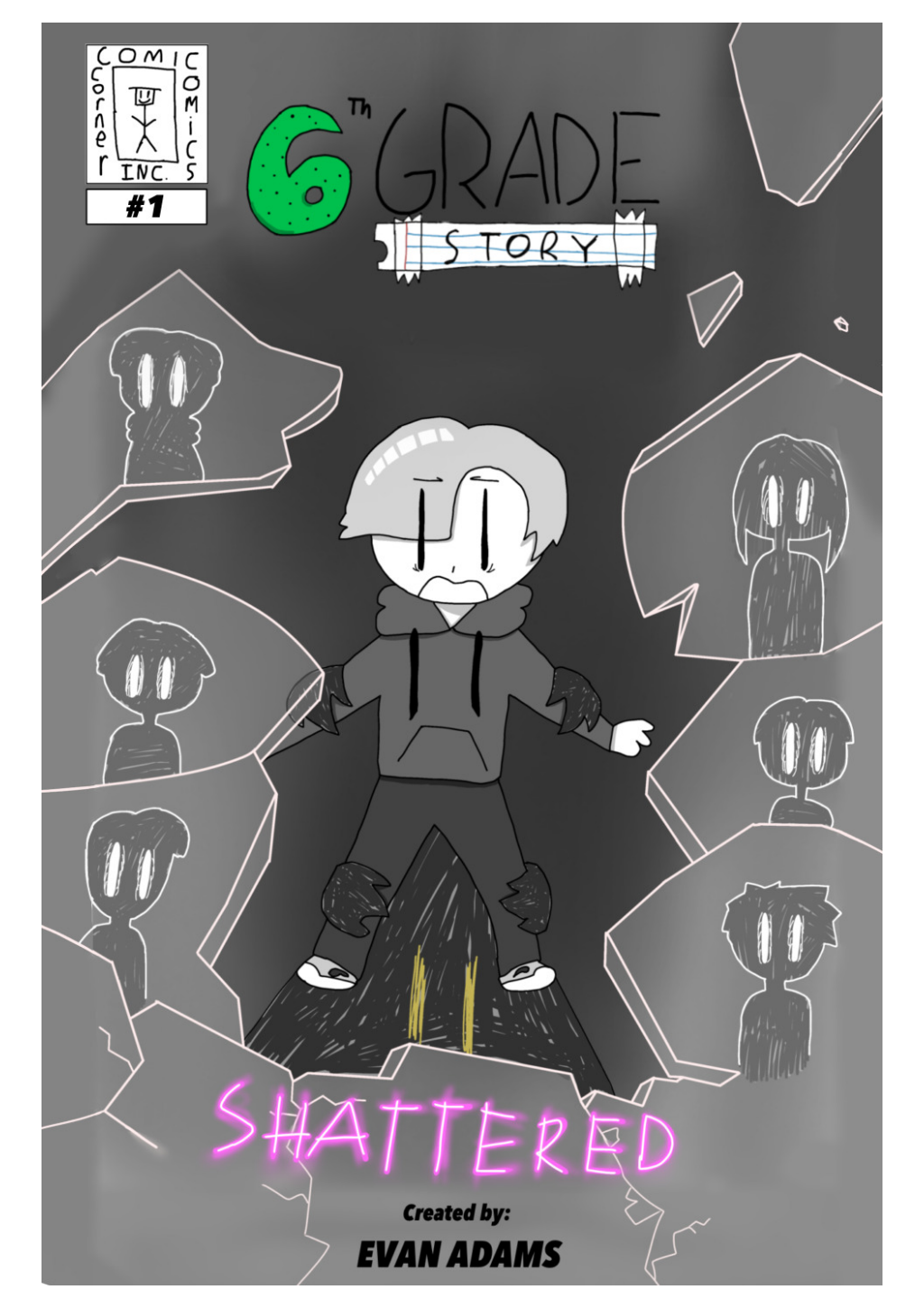
WEPA! 6th Grade Story Part 1: SHATTERED comes at middle school from the exact angle middle school deserves: awkward, confusing, lonely, occasionally funny, and just a little bit terrifying. Evan Adams takes a semi-autobiographical setup rooted in the strange reality of starting sixth grade during 2020 and pushes it through a psychological-horror filter, following Ethan Timmbs as he enters a new school year separated from most of his friends and immediately starts feeling like something is very wrong.
The strongest weapon Adams has in SHATTERED is perspective, because Ethan actually feels like a twelve-year-old kid instead of some grown-ass writer wearing a middle-schooler like a Halloween costume. He is anxious, distracted, irritated, socially awkward, buried in his phone, and constantly trying to figure out where the hell he fits in a world that already seems determined to label him. Those early classroom scenes hit because Adams does not need explosions, monsters or some giant dramatic speech to make them uncomfortable. He works with the little stuff. Assigned lunch tables. Teachers trying way too hard to be funny. Getting called out in front of the whole class. Sitting there scrolling for hours because talking to actual humans somehow feels ten times harder. Bruh, if you survived middle school, you know the flavor of pain I am talking about. All of that gives the book a genuine lived-in texture before the supernatural side starts sliding through the cracks.

Adams also gets something important about isolation: it hurts more when we can see exactly what Ethan feels disconnected from. The story takes its time introducing classmates, old friends and family relationships, building a whole little ecosystem around him. Yeah, the cast gets crowded at times and keeping everybody straight can become a minor workout, but those relationships matter because they give Ethan emotional stakes beyond simply escaping school drama. His frustration is not presented like some cheap “teachers suck, kids rule” setup either. Underneath the arguments, awkward silences and teenage irritation is a much more interesting fight over control, belonging and the fear of adults deciding who you are before you have even figured that out yourself. That part lands.
Visually, the artwork has this rough, homemade indie energy that actually works in the book’s favor. Adams uses a simplified cartoon style loaded with big eyes, thick black lines and expressions you can read from across the room. Characters communicate fast, which becomes important when some of the layouts start packing in panels like rent is due. The black-and-white presentation fits the memory-driven mood, but those selective yellow accents inside the darker dream sequences? Yeah, those pop. They operate almost like a visual alarm bell letting you know, “Yo, something ain’t right anymore.” Once the nightmares hit, the artwork gets noticeably more confident. Backgrounds disappear into shadow, panel structures loosen, and the whole page starts feeling unstable. Suddenly, school is not just uncomfortable. It feels dangerous.

The sequencing is ambitious, especially for a nearly seventy-page indie graphic novel. Adams jumps between school routines, home life, awkward conversations, dreams and sudden horror beats while still keeping Ethan at the center of the ride. Some of the strongest pages use repeated close-ups and stacked reaction panels to squeeze tension out of otherwise normal moments before dropping the scare. That’s smart visual storytelling. The problem is Adams sometimes wants every idea on the page at the same time. Certain spreads become crowded with smaller panels, dialogue balloons and handwritten details all fighting for your eyeballs like Brooklyn traffic at rush hour. Give a few of those moments more room and the emotional punches would hit harder. The lettering stays readable most of the time, but balloon size, font treatment and placement can shift enough to remind you this is still a developing indie production. A cleaner lettering pass would polish the presentation immediately without sanding away any of the book’s personality.
The writing carries some of those same rough edges. Dialogue occasionally explains something the artwork already made perfectly clear, while a few scenes stay at the party a little longer than they need to. At close to seventy pages, SHATTERED could absolutely drop some weight. Trim the repetition, tighten a few conversations and suddenly the whole book would feel bigger because the tension would move faster. Here is the thing, though: Adams has something you cannot fix with a better font, a slicker program or some fancy editing trick. He has a point of view. You can feel that this story comes from somewhere real. The embarrassment, frustration, anger and anxiety are not accessories slapped onto the plot to make it seem deeper. They ARE the plot, and that authenticity carries the book through its rougher moments.

By the time Mrs. Walters starts transforming from annoying authority figure into something Ethan genuinely experiences as threatening, the horror works because Adams already earned it. He takes an emotional truth and pushes it until it becomes literal. A teacher making a kid feel powerless can absolutely become a monster in that kid’s head, and SHATTERED understands how to turn that feeling into horror without turning the whole thing into some cheap revenge fantasy. The supernatural material grows out of Ethan’s fear instead of replacing it, which is exactly why it hits. The final stretch also opens the door to something bigger happening beyond what Ethan understands, giving the next chapter real room to expand without dumping a Wikipedia page of answers into the reader’s lap. Adams leaves you with questions, tension and enough weirdness to make you want to know where this kid’s nightmare goes next.
6th Grade Story Part 1: SHATTERED is not a slick corporate comic, and trying to judge it like one would miss the point. This is a young creator putting real memories, fear and frustration onto the page and learning the language of comics while doing it. The craft still needs tightening, especially in lettering, pacing and page density, but the emotional honesty carries a lot of weight. There is a real voice here, mi gente, and that matters.
Crusaders Score:
3/5
Written by: Evan Adams
Art / Digital Art / Inks: Evan Adams
Storyboards: John Kallay, Felix Sepersky, Evan Adams
Extra Help: Felix Sepersky, Lennon Johnson, Cece Sumiejski, John Kallay, Aaron Greve
Publisher: Comic Corner Comics
Leave a Reply
You must be logged in to post a comment.