
How Are You Feeling? Review: Difference Engine’s Graphic Medicine Anthology Hits the Heart Without Pulling Punches
·Al Mega
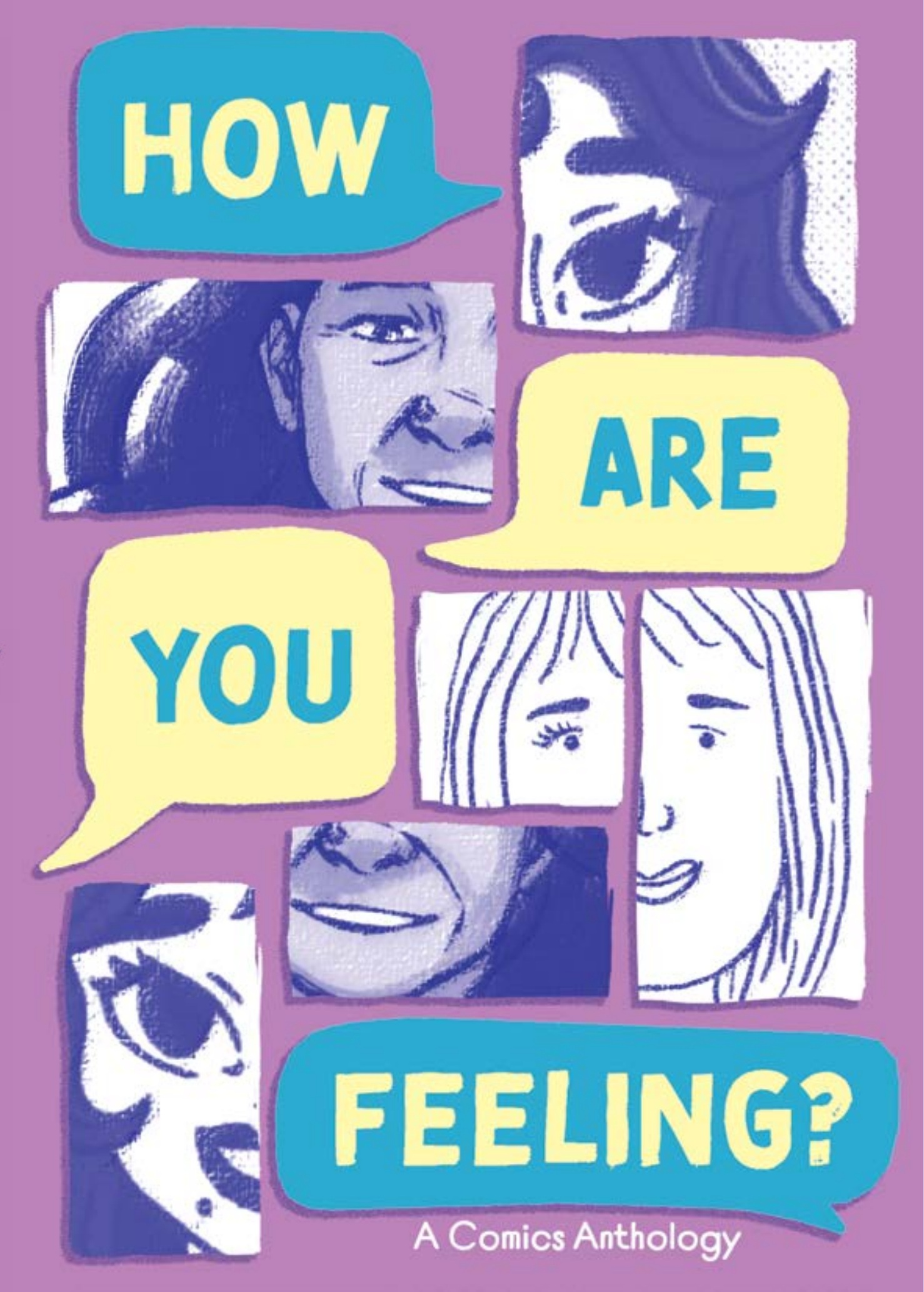
Wepa, mi gente, do not let the soft colors and conversational title fool you. How Are You Feeling? rolls into the comic shop quietly, checks the mirrors, and then puts the emotional pedal straight through the floor. No superheroes. No cosmic invasions. No billionaire vigilante growling from a rooftop. Yet this Difference Engine anthology carries real-world stakes that make plenty of cape books feel like they are idling in the parking lot. Collecting A Drip. A Drop. A Deluge: A Period Tragicomedy, Bearing Witness, and Worlds Apart: A Conversation About Mental Health, the book uses comics to explore menstruation, pregnancy loss, depression, treatment, stigma, and the awkward conversations people dodge until the silence becomes heavier than the truth.
Nicholas Verstappen describes the collection as graphic medicine, and that terminology fits because the anthology does more than illustrate health-related subjects. It demonstrates how comics can translate private sensations into something visible, communal, and easier to discuss. A facial expression changing across several panels can communicate what a medical brochure cannot. A page layout can make time drag, collide, or disappear. Empty space can carry grief. Humor can open a locked door before the harder truth walks through it. That is the engine running beneath this entire collection. These creators are not turning pain into spectacle. They are creating entry points for conversations that many families, workplaces, schools, and communities still treat like forbidden backroom business.

A Drip. A Drop. A Deluge: A Period Tragicomedy, created by Andeasyand, starts the collection with humor, candor, and an impressive refusal to sanitize the everyday reality of menstruation. The pages move through first periods, leaks, cramps, sanitary products, workplace anxiety, amenorrhea, menopause, body changes, and the ridiculous social choreography required to pretend none of it is happening. Andeasyand’s loose, diary-like artwork is exactly the right vehicle. The sketchy lines, irregular panels, handwritten captions, bursts of red, and exaggerated facial reactions create the feeling of somebody finally telling the unvarnished story at the kitchen table. The recurring menstrual cup image becomes a visual checkpoint, while sequences such as “A Month in Summary” turn fluctuating energy, confidence, and pain into a grid of expressive faces. It is funny, but never frivolous. The jokes are not there to dismiss discomfort. They are there because sometimes laughter is the only wrench available when embarrassment jams the whole machine.
The anthology shifts gears dramatically with Bearing Witness, written by Vinita Ramani and illustrated by Griselda Gabriele. This is the collection’s longest and most emotionally demanding piece, following Uma and her family through pregnancy, medical uncertainty, loss, labor, mourning, and ritual. Ramani’s narration captures the strange collision of joy and anxiety that can begin before a pregnancy visibly changes the body. Medical language, appointments, tests, percentages, and clinical procedures hover around the family, but the comic never allows those systems to erase the people inside them. Uma is not presented as a lesson. She is a woman attempting to remain present while fear keeps pulling her somewhere else.
Gabriele’s visual storytelling is exceptional here. The restrained blue-violet palette gives the story the weight of memory while keeping the pages readable and intimate. Her panel arrangements constantly shift according to Uma’s mental state. Hospital rooms feel boxed in and procedural. Recollections spill into one another. Hands, faces, medical objects, flowers, water, and religious imagery become emotional anchors. During the labor sequences, the borders and backgrounds seem to breathe with Uma, stretching and contracting as exhaustion, pain, grief, and spiritual focus converge. The sequence involving Surya’s birth is devastating without becoming voyeuristic. The creative team gives the baby physical presence and dignity, allowing the family to see him, hold him, name him, mourn him, and remember him. That distinction matters. Big time.
Ramani and Gabriele also understand that loss does not end when the hospital doors open. The final movement follows the family through cremation, the scattering of ashes, and the gradual process of carrying memory forward. Spiritual ritual is not treated as decoration. It becomes part of the family’s emotional vocabulary, something that allows grief to take shape when ordinary speech collapses. The pacing occasionally becomes dense, particularly when medical information and internal narration occupy the same page, but the density reflects the overwhelming flood of decisions families face during these experiences. This is not an easy story. It should not be. Still, it remains compassionate rather than punishing, which is one of the book’s greatest accomplishments.

Worlds Apart: A Conversation About Mental Health, created by Wayne Rée and Nurjannah Suhaimi, brings the anthology home through a conversation between friends. Charissa reveals that she has been diagnosed with depression and has begun therapy, then finds herself navigating the familiar minefield of well-intentioned misunderstanding. Instead of simply arguing against misconceptions, the story deploys science fiction, superhero, and fantasy metaphors. Depression becomes something people mistakenly treat like an alien invader. Those living with mental health conditions are framed through the stereotypes of heroes, villains, monsters, and magical creatures. These genre detours give Suhaimi room to explode the restrained café setting into vibrant coral-and-blue worlds filled with spacecraft, masked figures, goblins, taverns, cages, and dramatic transformations.
That device is clever because it speaks directly to comic readers without oversimplifying the issue. The story makes clear that a mental health condition is not an outside creature waiting to be defeated, nor does it automatically transform someone into a tragic role model, inspirational mascot, dangerous villain, or helpless burden. Charissa remains Charissa. Her diagnosis changes the context of the conversation, not her humanity. Some of the dialogue is deliberately instructional, and readers already familiar with mental health advocacy may find certain points more explanatory than dramatic. Still, the creators understand their intended purpose. This is a comic designed to be shared with the person who does not yet have the language, and judged on that road, it handles the curves beautifully.
The full production team deserves its flowers. Shreya Davies edits the first two stories and serves as project manager, while Sophia Susanto edits Worlds Apart. Claire Low and Yong Wen Yeu handle the individual story designs, and May Thu provides the anthology’s cohesive layout and cover design. Their work keeps three visually distinct comics from feeling like unrelated passengers crammed into the same vehicle. The waiting-room imagery, recurring speech-bubble motif, muted transitional pages, and accessible typography create a unified visual architecture without sanding away each creator’s identity.

How Are You Feeling? is not flawless, and its tonal jumps can make it feel more like three separate publications collected under one roof than a traditionally integrated anthology. Yet that variety ultimately strengthens the mission. Health does not arrive in one tone. Sometimes it is absurd. Sometimes it is terrifying. Sometimes it is a difficult conversation over coffee, with one person desperately hoping the other will listen instead of reaching for an easy answer.
Difference Engine has delivered a meaningful, visually thoughtful, and deeply humane collection that understands comics are not merely entertainment. They can be bridges. They can be witness statements. They can give shape to feelings people were taught to hide. Most importantly, they can help somebody begin a conversation before the silence redlines the whole emotional engine.
CRUSADERS SCORE:
4.5/5
Creators: Andeasyand, Vinita Ramani, Griselda Gabriele, Wayne Rée, and Nurjannah Suhaimi
Project Manager: Shreya Davies
Publisher: Difference Engine, a Potato Productions company


Leave a Reply
You must be logged in to post a comment.