
Tenea Comic Review: Myth, Magic and a Fearless Young Shaman
·Al Mega
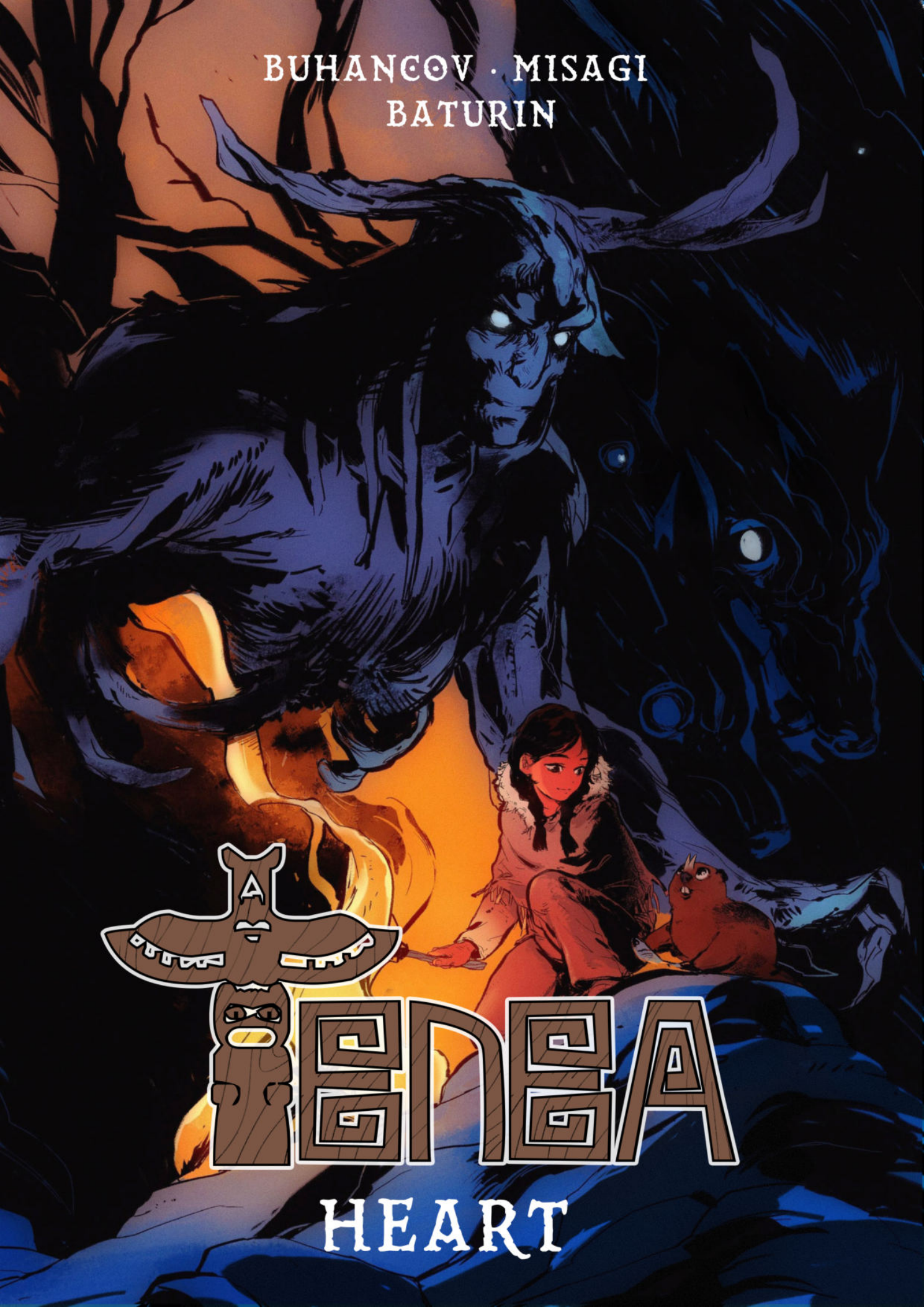
Yo, Tenea came through the door looking all innocent with snow-covered forests, campfires, spirit animals and this adorable little beaver running around, then five minutes later we got supernatural beasts throwing hands, family drama cooking in the background, ancient magic lighting people up blue and a young shaman basically telling everybody, “Nah, I got this.” Okay then! Ivan Buhancov and Misagi’s completed four-issue adventure starts with Tenea: Heart before rolling directly into the three-part The Great Okaga, and reading the whole run together is absolutely the move. The story grows naturally from a relatively intimate monster hunt into a bigger fantasy adventure about courage, responsibility, family, identity and the dangerous difference between having power and actually knowing what the hell to do with it. There is plenty of mystical action here, but the secret sauce is Tenea herself. She is curious, impulsive, brave, funny, occasionally hardheaded as hell and still young enough to believe proving herself means charging toward danger before everybody finishes saying “don’t.” Brooklyn translation? Homegirl got heart, but sometimes the brakes ain’t connected. I liked her immediately.

Buhancov gets the engine running in Heart with the Horned Gophers facing starvation after forty moons of brutal circumstances. Animals have disappeared, food is scarce and Chief Keruk becomes convinced that killing the fearsome Giwakwa and presenting its heart to the spirits will turn their fortunes around. Tenea wants in. Keruk wants her anywhere except in the middle of his hunt. You already know how that conversation ends. Watching her relationship with her spirit gifts unfold gives the first chapter its personality because her magic is not treated like some superhero vending machine where she presses a button and blue stuff happens. Tenea makes offerings, communicates with spirits and leans on companions like Naira and the wonderfully expressive Seekkis, who might be one of my favorite little chaos potatoes in an indie comic this year. The hunt eventually forces Tenea and Keruk to look beyond their assumptions about what constitutes a monster, and that shift gives Heart more emotional muscle than a simple creature-feature setup would have delivered. There’s fighting, supernatural danger and some beautifully staged wilderness action, but underneath all of it sits a very human question: when fear tells you somebody is the enemy, are you brave enough to actually look again?
Once The Great Okaga starts, the book opens the throttle. The Horned Gophers still cannot catch a break, the neighboring Black Misauri remain a threat, the tribe is preparing to migrate and Tenea finds herself working under head shaman Idaho while trying to better understand the abilities she previously treated with a little too much teenage confidence. Meanwhile, Keruk’s son Pekuna is carrying around his own emotional baggage because Dad is busy leading everybody, chasing survival and generally forgetting that the kid standing three feet away from him would appreciate being noticed once in a while. That father-and-son material could have been background noise, yet it becomes one of the better emotional threads running through the larger story. Chechet also brings warmth, humor and practical thinking into Tenea’s orbit, while Idaho becomes more than the stock mystical elder once the plot starts tightening the screws. Then the Black Misauri strike, people disappear, rescue plans get increasingly sketchy and Tenea finds herself testing all those big ideas she had about bravery when nobody is standing around applauding. The three chapters play almost like one extended second act and finale, which is why the complete-series read works better than treating them as isolated installments.

The mythology gives Tenea its own type of sazon. Great Okaga is introduced through stories of a legendary warrior whose exploits grew larger than life, complete with enormous creatures, thunderous supernatural threats and adventures that sound exactly like the kind of tales kids would hear around a fire and immediately decide, “Yup, that’s gonna be me.” Tenea hears those legends and focuses on the power. The elders keep trying to explain that the real lesson is character. There is a difference, fam. Buhancov keeps returning to sacrifice, courage, humility, stewardship and the idea that spiritual power carries obligation rather than entitlement. The comic draws inspiration from myths and legends associated with Indigenous peoples of North America while constructing its own fantasy tribes, spirits, rivalries and supernatural mythology, so I would approach it as myth-inspired fantasy rather than a historical or ethnographic retelling. Within that framework, the magical ecosystem feels surprisingly lived-in. Spirits have personalities. Gifts can have consequences. Animals matter. Stories shape behavior. Even Tenea’s relationship with her powers evolves from “check out what I can do” toward understanding why she was trusted with them in the first place. That’s growth without somebody standing on a mountain delivering a TED Talk. Thank you.

Misagi’s artwork is where the whole package really starts to flex. The character work has an animation and manga-adjacent looseness that makes faces extremely expressive without sacrificing environmental atmosphere. Tenea can go from stubborn confidence to wide-eyed panic to full supernatural battle mode inside a handful of panels, and it always reads clearly. Keruk carries himself like a man who has been holding an entire community on his shoulders for way too long. Pekuna’s insecurity shows before he says a word. Seekkis barely needs dialogue because the little dude’s body language is doing half the comedy anyway. Then you hit the forests. Man, these environments breathe. Snow eats up entire pages in Heart, warm firelight creates pockets of safety against deep blues and blacks, the later chapters move through earthy greens and oranges, and Tenea’s electric blue spirit energy slices across those natural palettes like somebody just cracked open another dimension. The action layouts also keep improving as the series goes forward. Diagonal panel borders, oversized sound effects, sweeping motion strokes, perspective shifts and occasional open compositions give the fights real momentum without turning the page into visual oatmeal. Misagi knows when to get loud, but more importantly, knows when to let a quiet landscape sit there and do some storytelling.
Nikita Baturin’s lettering deserves love because Tenea uses sound as part of the artwork instead of dropping generic effects on top afterward. Cracks, howls, impacts, screams and magical bursts bend around the action, change scale and occasionally become compositional elements themselves. Balloon placement generally keeps the eye moving cleanly through pages even when the layouts become more aggressive. A little additional editorial polish on the English dialogue would elevate the book, though. A handful of lines throughout the four issues land stiffly, some explanatory exchanges tell us information the artwork has already communicated, and certain conversations feel translated rather than spoken. None of it wrecks the experience, but tightening those sentences would make the characters sound as natural as they look. The recap material also repeats a little more information than a collected read really needs, although that obviously makes more sense when these chapters are consumed individually. Give Buhancov’s strongest character beats slightly more breathing room and let Misagi’s images shoulder even more of the exposition, and this team gets dangerous.

Four issues later, I walked away wanting more Tenea, and that’s probably the cleanest compliment I can give this crew. The immediate conflict receives a satisfying emotional payoff without pretending every problem in this world has suddenly vanished, and the final pages deliberately leave Tenea, Pekuna, Keruk, Chechet, Idaho, Seekkis and company staring toward a much larger road ahead. Good. Keep walking. Indie fantasy is crowded with chosen ones, magical teenagers and mythology remixes, but Tenea earns its spot by giving its heroine flaws, humor, compassion and consequences while surrounding her with a community that actually matters to the story. It looks great, moves fast, gets legitimately funny, knows when to get creepy and carries considerably more heart than its monster-hunting premise initially advertises. Polish some of that dialogue, keep expanding the mythology and give Misagi even more room to cook visually, because there is a bigger world hiding inside these pages waiting to come out.
CRUSADERS SCORE:
4/5
Story: Ivan Buhancov
Art: Misagi
Lettering: Nikita Baturin
Cover: Misagi
Series: Tenea
Leave a Reply
You must be logged in to post a comment.