

The Tumor in the Clay Review: Nick Francis Turns Pain Into Pure Visual Poetry
·Al Mega
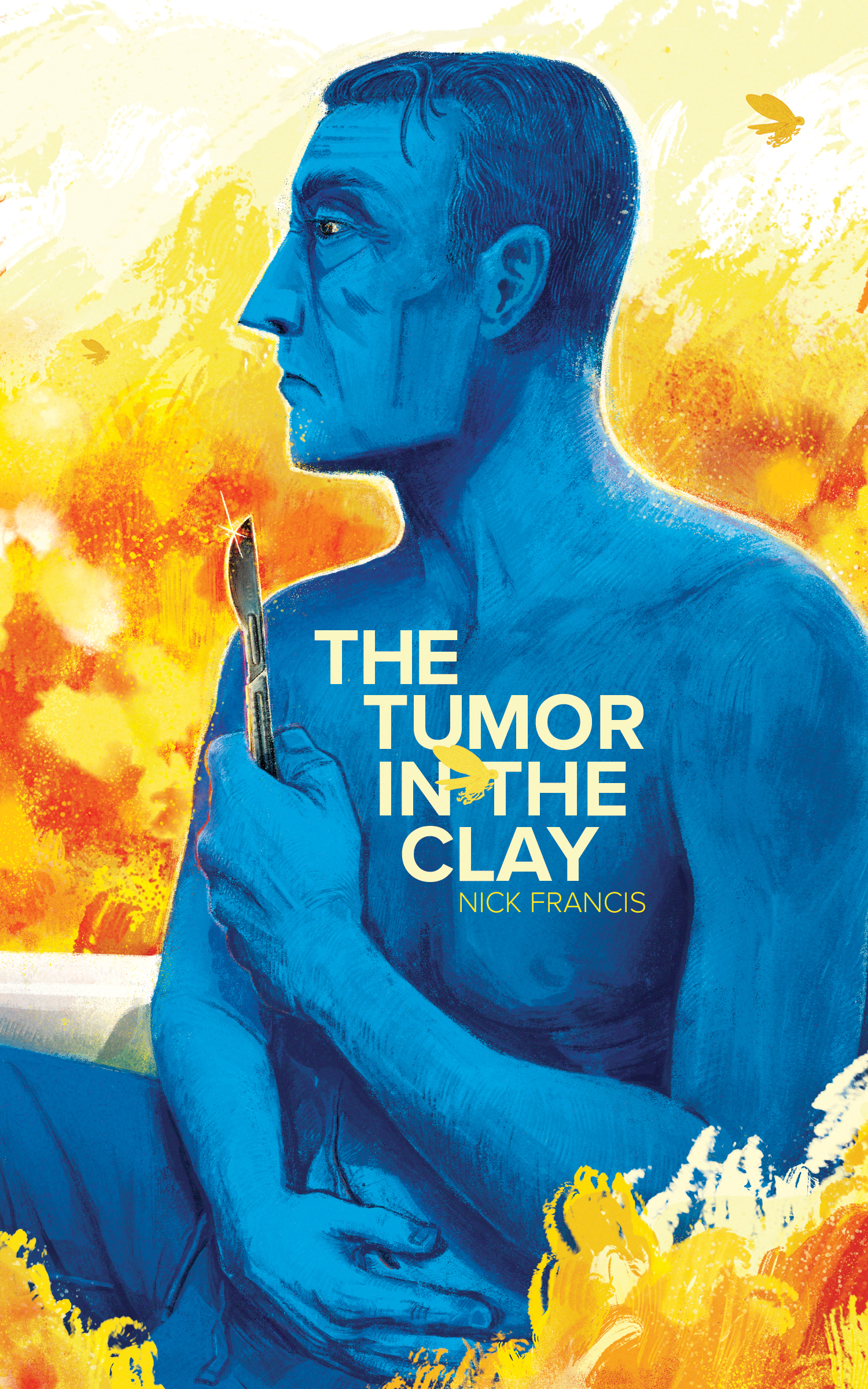
Nick Francis’ The Tumor in the Clay is not one of those graphic novels you casually flip through while waiting for your cafecito to cool down. Nah, fam. This one sits next to you. Breathes heavy. Stares at the wall. Then, when you think you got the rhythm figured out, it grabs your soul by the collar like, “Yerrr, we need to talk.” And honestly? Good.
Published by Driftwood Press and arriving September 29, 2026, The Tumor in the Clay is a haunting, almost entirely wordless graphic novel that digs into chronic pain, grief, shame, addiction, isolation, medical trauma, memory, and the ugly little negotiations people make when suffering has them cornered. That may sound heavy because it is heavy. This book is not trying to be your cozy Saturday morning cereal read. This is the midnight mirror. This is the quiet room after everybody leaves. This is the body keeping receipts. WEPA, this one got teeth.
The story follows an aging surgeon, a man whose past glory still lingers around him like dust on old trophies, framed accomplishments, journals, photographs, and the artifacts of a life that once had shape. Francis opens with stillness, but not boring stillness. Surgical stillness. The kind where every object in the room feels like evidence. Shoes. Medicine. A door. A bed. A bathroom. A kitchen. A face that looks like it has fought every morning just to remain assembled. No big speech. No narrator holding your hand like you crossing Flatbush during rush hour. Francis trusts the reader. That right there is bold.
The first movement of the book feels clinical, claustrophobic, and deeply intimate. The palette leans into cold blues, grays, and sharp inks, giving everything that exhausted hospital-light feeling, like the world has been washed too many times and still can’t come clean. The surgeon’s body becomes the battlefield, but Francis never treats it like shock-value horror. Even when the imagery gets grotesque, and trust me, it gets gnarly, it never feels cheap. It feels internal. Pain becomes architecture. Addiction becomes ritual. Grief becomes a creature nesting under the skin. The man is not just suffering from something. He is living inside it.
That is where The Tumor in the Clay hits different. Francis understands that chronic pain is not only about pain. It is about time. It is about repetition. It is about the humiliation of needing help and still feeling unseen. It is about watching your life shrink around a condition that does not care about your plans, your pride, your talent, your resume, or your “I got this” attitude. Pain does not care that you used to be somebody. Pain pulls up with no appointment. Dead-ass.
The wordless storytelling is the flex here. Comics are rhythm. Comics are breath. Comics are what happens between the panels, and Francis works that silence like a musician who knows when not to play. Every panel has intent. Some pages crawl. Some pages attack. Some pages feel like you are trapped in a bathroom with the lights buzzing and your own heartbeat snitching on you. Then suddenly, the book cracks open into surreal beauty, exploding into blues, yellows, flowers, birds, bugs, fields, impossible skies, and dreamlike bodies of light and rot. It is not just a visual shift. It is a spiritual shift. The book goes from survival horror to fever-dream baptism, but it never loses the emotional thread.
Let’s talk art because word, Nick Francis came in swinging like he had rent due and angels watching. The linework is raw but precise, scratchy but controlled, elegant but nervous. There is a grimy tenderness to it. You can feel the influence of animation and storyboarding in the camera movement, the tight close-ups, the way hands carry emotion, the way a room changes meaning when the angle changes. The surgeon’s face becomes a landscape. His apartment becomes a body. The tub becomes an operating table, a grave, a womb, a prison, and maybe, just maybe, a doorway.
That is the kind of visual storytelling that separates a good comic from a graphic novel that lingers like smoke in your hoodie. And when the color opens up? Ay yo. That transition is gorgeous. It feels like oxygen after drowning, but not in a simple “everything is better now” way. Francis does not insult the reader with easy healing. The book understands recovery is not a magic reset button. You do not cut out the pain and suddenly become a motivational poster with perfect lighting. Healing is weird. Ugly. Nonlinear. Sometimes it looks like crawling. Sometimes it looks like seeing one bird. Sometimes it looks like putting one foot on the floor and not letting the bastards win.
The book’s biggest strength is also what will make it a challenging read for some folks. Because there is little to no dialogue, the reader has to participate. You have to sit with the images. You have to interpret the repeated symbols, the eye, the wound, the pills, the birds, the flowers, the impossible yellow presence that feels both comforting and terrifying. Some readers may want a little more textual guidance, especially in the more abstract stretches. But honestly, that silence is the point. Adding too many words would turn the volume down on the anxiety, and this book needs that anxiety alive. It needs that unease. It needs the reader looking twice.
Nick Francis, born in San Francisco in 1994 and now based in Oakland with his partner and their three cats, Kiki, Noodle, and Blue, brings lived-in emotional knowledge to this work. As a disabled illustrator and storyteller whose credits include Fantastic Negrito’s Grammy Award-winning album The Last Days of Oakland, PBS and ITVS’ animated documentary BROTHER, NYU College of Nursing, and The Monterey Jazz Festival, Francis comes into this debut graphic novel with range, heart, and craft. This is not somebody playing dress-up with pain. This is an artist translating suffering into visual language with scary honesty and serious skill.
And let’s give Driftwood Press credit too, because publishing a book like this takes taste. It takes guts, 100%. The Tumor in the Clay is not manufactured for algorithmic mush. It is strange, personal, uncomfortable, poetic, and human. In an industry that sometimes loves clean branding more than messy truth, this book walks in covered in dirt, blood, flowers, and light, then says, “Deal with me.” That is art, mi gente! Ya heard!
By the end, The Tumor in the Clay does not hand you a clean answer. It gives you an exit. Maybe. A door. A breath. A field. A final sense that survival is not always triumphant in the superhero-pose way, but sometimes survival is simply refusing to let pain become the only author of your story. That’s powerful. That’s needed. That’s the kind of comic that reminds you this medium can do anything when creators stop chasing formulas and start bleeding honestly onto the page.
The Tumor in the Clay is haunting, beautiful, grotesque, tender, and quietly explosive. It is a graphic novel about illness, yes, but more than that, it is about the battle to remain human when the body, the system, the past, and the ghosts all keep trying to collect rent. Nick Francis delivers a debut that feels deeply personal and painfully universal, with a visual voice that is already distinct, confident, and impossible to ignore.
This right here is not a casual read. This is a sit-down, smoke an L/Drink/whatever your vice and breathe-through-it, let-it-get-under-your-skin kind of book. It is challenging in the best way. It is gorgeous in the dangerous way. It is the kind of graphic novel that deserves conversation, shelves, awards, and readers who are ready for something real.
CRUSADERS SCORE:
4.5 / 5
Creator, Writer, Artist: Nick Francis
Publisher: Driftwood Press / Driftwood Comics
Managing Comics Editor: James McNulty
Cover Design: Nick Francis and Sally Franckowiak
Covers and Interior Images: Nick Francis
Innards Design: Nick Francis and James McNulty
Interviewer: James McNulty
Release Date: September 29, 2026
ISBN-13: 978-1-949065-44-2
Leave a Reply
You must be logged in to post a comment.