
Vultures #1 Review: Neon Noir Crime Comic With Killer Style
·Al Mega
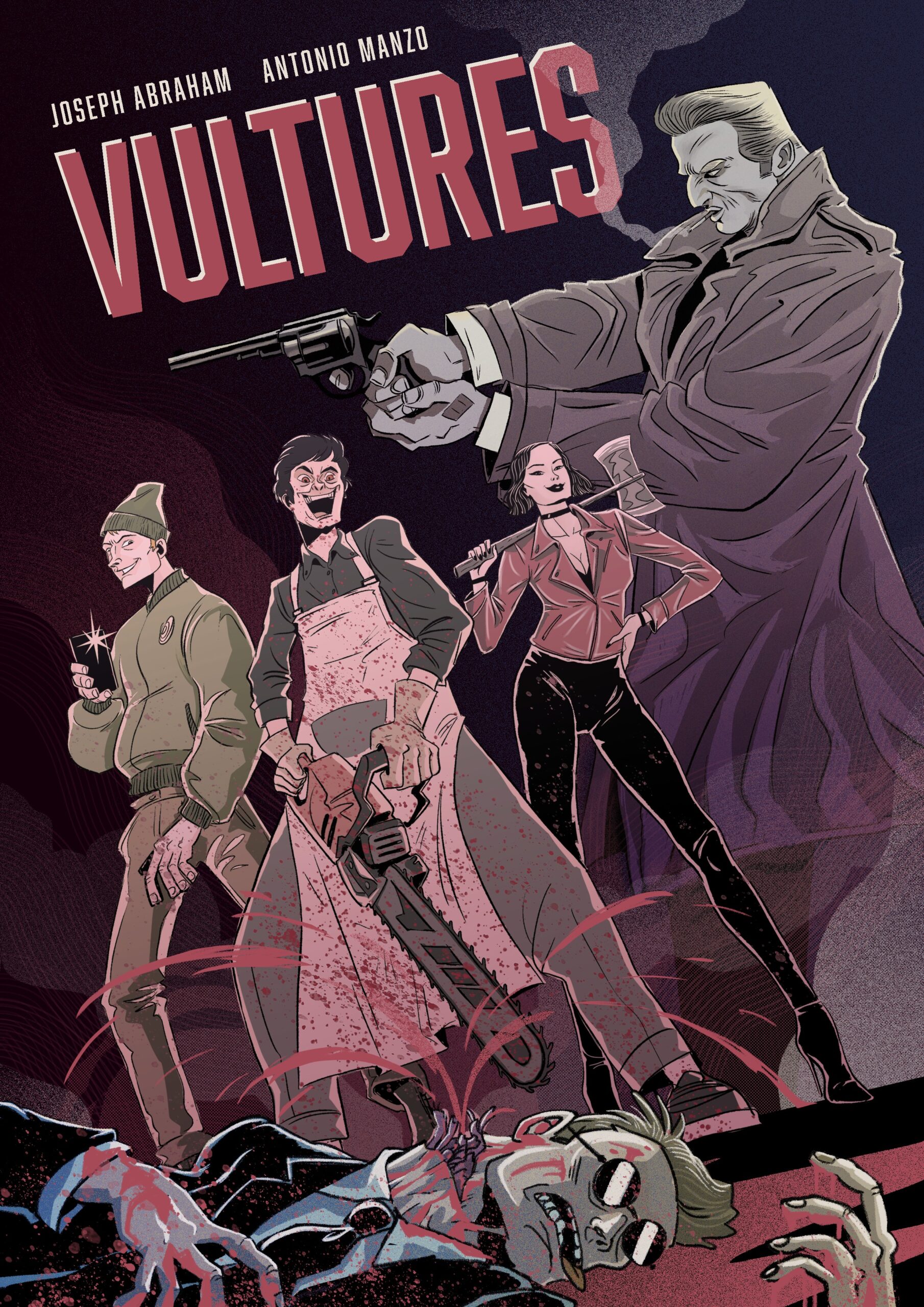
Let’s talk abut this one here! This is the kind of comic that walks into the room smelling like cheap cigarettes, expensive perfume, bad choices, and somebody absolutely lying to the police. Vultures #1 by Joseph Abraham and Antonio Manzo comes out the gate with that late-night Los Angeles energy where the streets are shiny, the people are broken, and every spotlight feels like it is hiding a knife behind its back. It is crime noir with a Hollywood migraine. It is stylish, mean, funny in the worst possible way, and built like the first ten minutes of a thriller you randomly catch on cable at 1:47 a.m., then suddenly you are wide awake saying, “Hold up, who is this maniac?”
The setup is clean and nasty. A serial killer is stalking Los Angeles. A private detective is circling the mess. A struggling, Hollywood-obsessed actress is trying to survive the kind of life that keeps punching her in the mascara. The story opens with a wreck, a corpse, cops trying to understand what the hell they walked into, and a city that already feels guilty before anybody says a word. That first scene does a lot of heavy lifting without over-explaining. We see impact, confusion, police lights, a body, and that immediate noir question hanging over everything like bad cologne: accident, murder, or something uglier wearing both outfits?
Joseph Abraham’s script understands that noir is not just trench coats and shadowy alleys. Real noir is about appetite. Everybody wants something. Fame. Control. Escape. Evidence. Recognition. Power. A clean break. A dirty thrill. Vultures taps into that idea beautifully, because the title is not just about one killer circling prey. It is about a whole ecosystem of people feeding off pain. Paparazzi feed. Hollywood feeds. Cops feed. Creeps in clubs feed. Even ambition feeds, and sometimes ambition is the hungriest monster in the room. That is where the book starts cooking with gas.
Sarah, the actress at the center of much of this issue’s emotional chaos, is written with enough mess and humanity to keep her from becoming just “the troubled Hollywood girl.” She is glamorous, exhausted, angry, scared, and self-destructive in that very human way where you can see the train coming and still go, “Yeah, she is probably going to step on the tracks.” Her scenes bounce between public image and private collapse, and that contrast works. One minute she is framed like an entertainment fantasy, the next she is spiraling in a club, getting harassed, swinging back, running from consequences, and dragging the reader into her panic. She is not polished. Good. Polished characters in stories like this are usually either dead or boring. Sometimes both, fam.
Antonio Manzo’s artwork is the big loud engine under the hood. This book has style for days. The pages use heavy shadows, electric purples, bruised blues, nightclub pinks, and sharp noir framing to create an LA that feels less like a city and more like a neon trap. The linework has that animated exaggeration where faces stretch, fear pops, violence snaps, and impact lands like somebody dropped a cinderblock on the page. The club sequence especially goes wild, with flashing lights, distorted party monsters, and Sarah’s intoxicated point of view turning the whole scene into a fever dream. That was a strong visual choice, because it puts us in her head without needing some dramatic monologue talking about “my fractured soul” or whatever. Nah. We see it. She is cooked. The room is cooked. Everybody is cooked. Next case.
The best visual moments are the ones where the book leans into cinematic pacing. The speedometer page is a banger, using repeated panels and rising tension to make the car feel like it is not just moving fast, but escaping sanity. Then the crash page hits with big comic book sound effect energy and that brutal splash of motion that makes you feel the metal fold. Later, the alley scene gives the killer a nasty theatrical presence, using silhouettes, police flashlights, and sudden violence to build a sharp little nightmare. This is where Vultures starts to show its claws. The killer is not just lurking. He is performing. That is dangerous territory in the best way, because a killer who wants attention is already a problem, but a killer with style? Ay bendito. Lock the doors and cancel brunch.
The tone is grimy, but it has personality. That matters. Some crime comics mistake bleakness for depth and end up feeling like somebody spilled black coffee on a police report. Vultures has bite. It has swagger. It has a sick little grin. The dialogue is rough, profane, and sometimes intentionally abrasive, which fits the world Abraham and Manzo are building. This is not a polite comic. It is a back-alley handshake with a broken bottle in the other hand. Readers who prefer clean, tidy mysteries may find this too chaotic or crude, but for fans of dirty neon thrillers, damaged characters, and Hollywood crime stories with pulp in the bloodstream, this thing has the juice.
You know we do not do pom-poms without accountability around here. As a first issue, Vultures moves fast. Very fast. It throws the reader into a crash, a dead actress, Sarah’s nightlife meltdown, a chase, the killer’s weird trophy behavior, and a violent cliffhanger in just a short span. That gives the comic momentum, no doubt, but a little more breathing room around the private detective angle would have helped anchor the investigation side of the story. The logline promises that detective hunt, and while the issue absolutely sets the crime machine in motion, the detective presence could use more spotlight in future chapters so the mystery has a stronger spine. Right now, the book’s atmosphere and chaos are leading the dance. That is not bad. That is actually fun. But the next issue needs to let the investigation step forward like, “Move over, I got this.”
Still, as an opening chapter, this is a strong hook. Vultures knows exactly what kind of alley it wants to drag you into. It blends serial killer dread, Hollywood desperation, noir attitude, and exaggerated comic book violence into something stylish and nasty in all the right ways. The creative team understands mood, and mood is everything in crime comics. You need the city to feel like it has secrets. You need the characters to feel like they are one bad decision away from becoming evidence. You need the danger to feel close enough to fog up the window. This book delivers that.
What makes it work is that the horror does not just come from the killer. It comes from the culture around the killer. The camera flashes. The fake smiles. The fame hunger. The cops arriving late. The clubs pretending nothing is wrong. The alleyways collecting bodies like receipts. Vultures is not subtle about its world being predatory, but subtlety is not always the move. Sometimes you need the comic to grab you by the collar and say, “Look at this mess.” And yo, I looked.
Vultures #1 is a sharp, moody, blood-slick first issue with serious visual personality and enough mystery to keep readers leaning forward. It has room to deepen its detective thread and give the central investigation more muscle, but the vibe? The vibe is alive, dangerous, and wearing sunglasses indoors like it owes somebody money. Joseph Abraham and Antonio Manzo came through with a cinematic crime comic that feels ready for the screen but still remembers how to use the page. That is the sweet spot, baby.
CRUSADERS SCORE:
4/5

Title: Vultures #1
Writer: Joseph Abraham
Artist: Antonio Manzo
Leave a Reply
You must be logged in to post a comment.