

REVIEW: The Lost History of Walt Disney World Unearths the Magic Disney Left Behind
·Al Mega
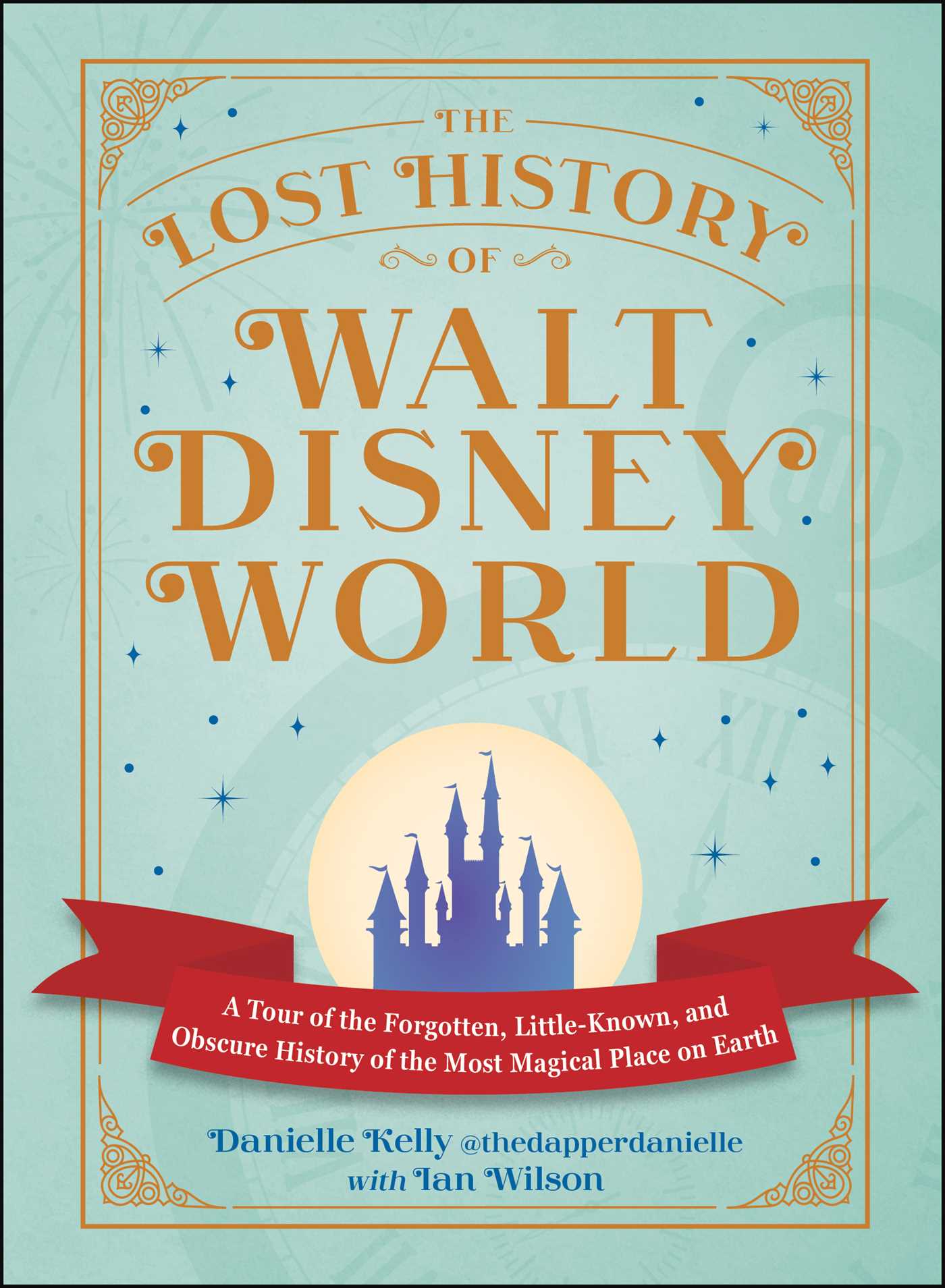
Wepa! Disney fans love saying they know the parks, but The Lost History of Walt Disney World has a very specific way of testing that confidence. Danielle Kelly, better known as The Dapper Danielle, with Ian Wilson, does not approach Walt Disney World like a standard travel guide or a giant chronological history lesson. Instead, the book treats the resort like an archaeological site where old attractions, abandoned plans, recycled props, architectural leftovers, and tiny pieces of Imagineering history are still sitting there waiting for somebody to notice them.
That approach is the book’s biggest strength. Kelly has spent years working inside the Disney ecosystem and studying the details most guests walk right past, and the writing reflects that curiosity without becoming academic or stiff. The chapters move through the Florida Project, Magic Kingdom, EPCOT, Hollywood Studios, Animal Kingdom, the resort areas beyond the park gates, and finally the idea of Walt Disney World as a living story that keeps rewriting itself. Rather than dumping dates and names on the reader, the book breaks its history into short, digestible entries that usually focus on one attraction, location, concept, abandoned project, or surviving piece of Disney history.

The killer feature is the recurring Find It! material. Plenty of books can tell you that something used to exist. This one regularly tells you where traces of that history can still be seen today, turning the book into something you can actually carry into Walt Disney World and use. Old ticket booths, repurposed figures, visual references to retired attractions, leftover pieces of previous concepts, and little Imagineering nods suddenly become part of the experience. That changes the book from trivia you read once into a guide that can genuinely alter the way you walk through the parks.

The Imagine It Here sections are just as fun because Disney history is packed with attractions and lands that never escaped the concept stage. Those entries give the book room to explore the alternate Walt Disney World that almost existed, including ambitious concepts that were reduced, transformed, recycled, or abandoned entirely. The maps at the beginning of the major park sections reinforce the field-guide feeling, while the clean teal-and-white design keeps 240 pages of historical material surprisingly easy on the eyes.
Magic Kingdom and EPCOT are where the format really cooks. Those parks have decades of layered history, and the book gets mileage out of showing how one attraction’s bones can survive inside another. Stories involving old ticket systems, discarded Fantasyland ideas, extinct dark rides, EPCOT pavilions, lost entertainment, corporate sponsorships, and attractions that evolved into something completely different reveal how rarely Disney truly throws an idea away. Concepts migrate. Props get reused. Buildings get repurposed. A failed project can quietly donate DNA to something guests love years later.
Hollywood Studios and Animal Kingdom also benefit from the same treatment, especially because both parks have changed identities dramatically over time. The book digs into vanished movie-production elements, forgotten shows, abandoned expansions, retired attractions, and concepts that never reached opening day. The final stretch beyond the gates is a smart inclusion because Walt Disney World’s history has never stopped at the turnstiles. Resorts, transportation, waterways, entertainment districts, abandoned islands, and projects scattered across the property all contribute to the larger story.

The tradeoff is that the book’s greatest strength can also be its limitation. These are intentionally compact entries, and sometimes a subject is fascinating enough that you want Kelly and Wilson to keep digging for another five pages. Readers looking for a heavily sourced scholarly history with extensive archival documentation will probably want something deeper alongside this. A few entries also lean closer to really good Disney trivia than major historical excavation, but that accessibility is clearly part of the mission. This book wants to make you curious first, not bury you under footnotes.
For longtime Disney people, the fun comes from discovering how many supposedly familiar locations still have secrets hiding in plain sight. For newer fans, the book offers context for why the parks look and operate the way they do today. Most importantly, it understands something Disney itself has always wrestled with: progress creates nostalgia. Every new attraction stands on top of a previous version of the property, and every demolition leaves behind stories, memories, design choices, and sometimes literal pieces of the past.
The Lost History of Walt Disney World makes that constant reinvention feel less like a graveyard of removed attractions and more like one massive ongoing creative conversation. It is informative without becoming homework, nostalgic without getting trapped in “everything used to be better” territory, and practical enough that it might have you staring at walls, ceilings, signs, ride queues, and random buildings differently on your next trip. If you love Disney history, Imagineering, extinct attractions, or just finding the weird little details everybody else walks past, this one belongs in the park bag.
Crusaders Score:
4/5

Author: Danielle Kelly
With: Ian Wilson
Publisher: Adams Media
Release Date:
September 8, 2026
Learn more about the book on the official Simon & Schuster page, and explore more Comic Crusaders book reviews.


Leave a Reply
You must be logged in to post a comment.