

Doctor Strange and Doctor Doom: Triumph and Torment Review: Doom Walks Into Hell and Marvel Magic Hits Different
·Al Mega
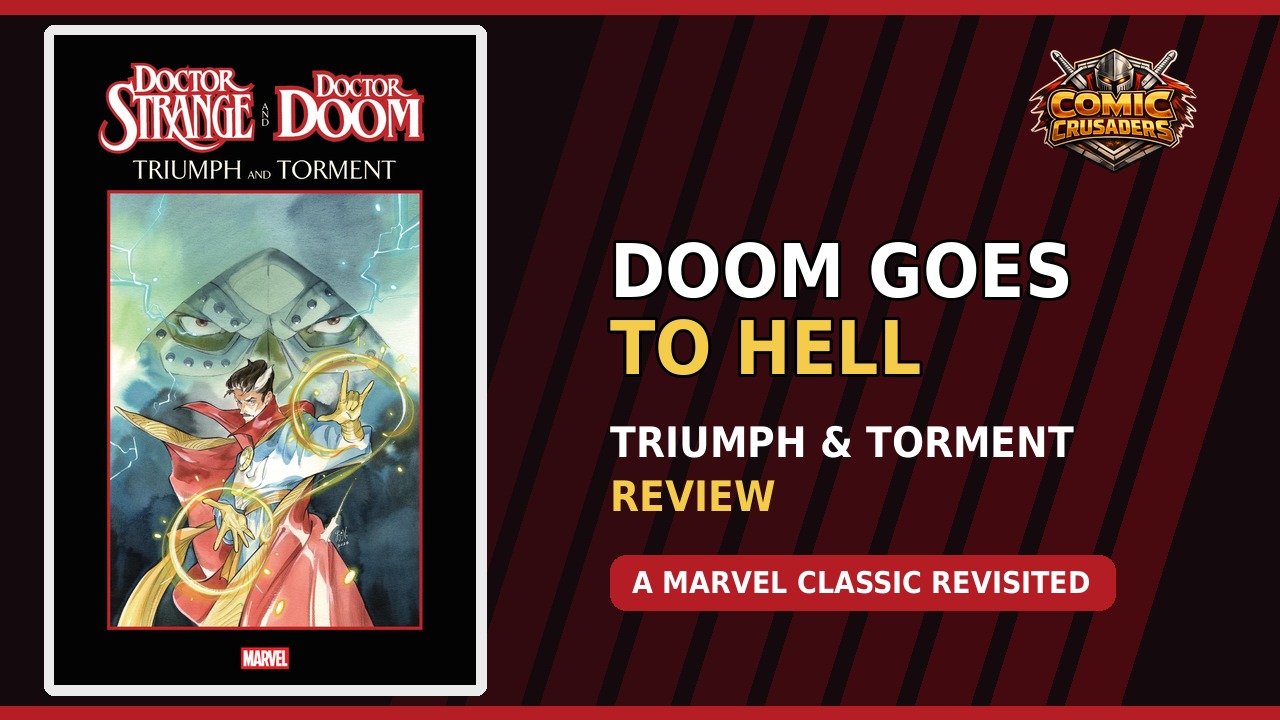
WEPPPPAAAAA! Doctor Strange and Doctor Doom: Triumph and Torment is one of those Marvel books people call a classic so often that eventually you gotta stop nodding along and actually ask the question: does this sucker still hit, or are we just saluting the trophy case? After revisiting it, yeah fam, it still hits. Not without showing its age in spots, because Roger Stern definitely came from the “why use one caption when three will fit?” school of storytelling, but when this creative team locks in, this is exactly why Doctor Doom has remained one of Marvel’s most interesting characters for decades.
Stern starts by giving Doctor Strange room to establish himself before Doom comes marching in with all that royal Latverian energy. Strange’s mystical trials are useful because they remind us how Stephen operates. He observes first, respects the rules of magic, and wins through judgment instead of brute force. That becomes important once Doom enters the picture because Victor approaches power very differently. Doom does not encounter a limit and wonder what it means. He encounters a limit and immediately starts figuring out who authorized the disrespect. That contrast makes their partnership work.
Doom needs Strange to help rescue the soul of his mother, Cynthia Von Doom, from Mephisto, and Stern wisely keeps Victor complicated. His love for Cynthia feels genuine, but that does not magically turn him into a sweetheart. Doom is still manipulative, arrogant, calculating, and convinced he is the smartest man in every room he enters. Thank God. The story gives him vulnerability without sanding down the edges that make him Doom, and that balance is where Stern really earns his money.
Strange is no sidekick here either. He never forgets who he is dealing with, and the tension between them stays alive because Stephen respects Doom’s intelligence while clearly keeping one eye open for whatever nonsense Victor might pull next. They need each other, but nobody is pretending these two are suddenly magical besties. That would have killed the whole vibe.

Now, pacing-wise, this thing absolutely feels like a late-80s Marvel graphic novel. Stern likes exposition. A lot. There are moments where Mike Mignola has already shown us exactly what happened, and here comes another caption jogging onto the page like, “Hold up, I got something to add.” Sometimes that density helps because the book is dealing with mystical rules, Doom’s history, Strange’s obligations, and enough supernatural business to make your head spin. Other times, you just want somebody to yell, “Roger, papi, we got it. Keep moving.”
But the slower build does pay off because once Doom and Strange move deeper into the story, the atmosphere gets nasty in the best possible way. And this is where Mike Mignola starts flexing. You can already see pieces of the visual language that would later define Hellboy, but Mignola is still working comfortably inside Marvel without losing himself. His Doom looks fantastic. Heavy. Regal. Menacing. The armor feels more medieval and ceremonial than superhero-tech shiny, and Castle Doom looks like Victor built his entire personality out of stone, machinery, and unresolved issues.
The panel work is clean too. Conversations stay visually interesting because Mignola uses body language, architecture, and shadow instead of letting people just stand around waiting for their balloons. Doom is especially fun because most of his acting has to come through posture and staging. That metal mask does not give you much, so Mignola makes Victor’s whole body do the talking. Then we get to Hell, and oh man, this book gets ugly.

Mark Badger’s inks and colors are a huge reason those sequences work. The reds, dirty yellows, sick greens, and deep blacks start closing in on the characters, and the environment feels hostile instead of just “cool-looking Hell.” That matters. You are supposed to want out of this place.
Badger’s work also gives Mignola’s shadows more weight, especially once Mephisto takes over the page. Everything gets rougher, hotter, and more oppressive. Strange’s magic cuts through the darkness differently than Doom’s armor, and the supernatural scenes actually feel like the book has entered another realm instead of somebody just changing the background color.
The magic battles are handled well too because Doom and Strange do not fight the same way. Stephen reacts and adapts. Doom attacks problems like they personally offended him. That distinction gives the action personality, and honestly, superhero comics still mess this up today. Too many characters end up firing the same glowing nonsense with different costumes attached. Not here.
Mephisto is great because Stern writes him as more than a big red monster. He understands people, and that makes him dangerous. He knows exactly where Doom is vulnerable and how to poke at it, which is much more interesting than another power contest. Mignola sells that beautifully too. Doom is rigid and controlled, while Mephisto is loose, theatrical, and expressive. You can read the clash between them before the dialogue even lands.
Jim Novak also deserves his flowers because this book is wordy as hell and somehow never becomes unreadable. There is a lot of dialogue, narration, magical explanation, and Doom talking like every sentence is being carved into a statue somewhere in Latveria. Novak keeps the reading order clear and never lets all that text completely suffocate Mignola’s layouts. That is not flashy work, but it matters.
Does the book drag? Yeah, a little. The middle could move faster, and some of the exposition could absolutely get trimmed. I also think modern readers might need a minute to adjust to how much Stern wants to explain everything. But once the story starts cashing in all that setup, the payoff works because the conflict stays tied to character instead of turning into a contest over who has the biggest magical cannon. That is why Triumph and Torment still works.

This is not just “Doom goes to Hell,” although come on, that alone is a pretty damn good sales pitch. It is a story about Doom being forced into a situation where intelligence, power, preparation, and ego can only take him so far. Stern gets that. Mignola makes it look incredible. Badger makes Hell feel properly disgusting, and Novak keeps the whole thing readable despite the mountain of copy.
So yeah, the reputation is earned. Not perfect, not untouchable, and definitely not getting a free nostalgia pass from me, but this remains one of the stronger Doctor Doom stories Marvel has put on the shelf.
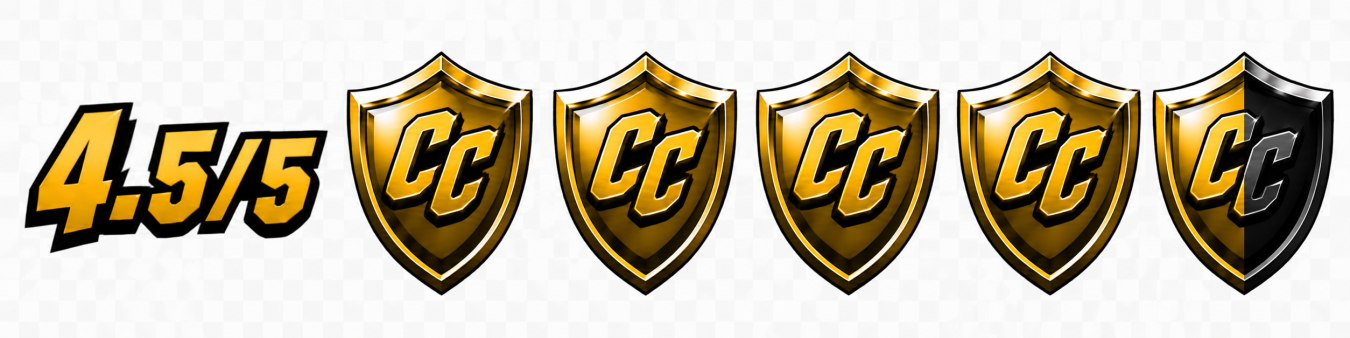
CRUSADERS SCORE:
4.5/5
Writer: Roger Stern.
Pencils: Mike Mignola.
Inks and Colors: Mark Badger.
Lettering: Jim Novak.
Editor: Ralph Macchio.
Assistant Editor: Mark Gruenwald.
Editor in Chief: Tom DeFalco.
Leave a Reply
You must be logged in to post a comment.